Tactical contingency in the French camp
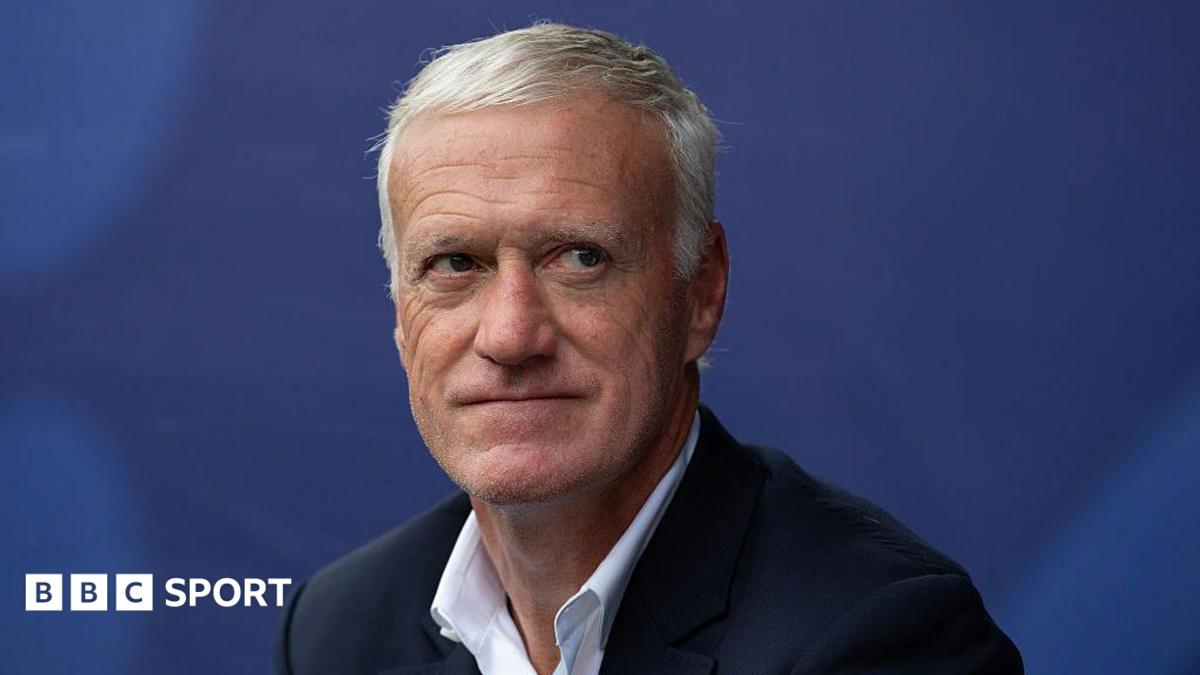
Didier Deschamps has officially departed the French national team’s tournament base following the death of his mother. The French Football Federation confirmed the news earlier today, stating the head coach will miss the final World Cup group stage fixture. This creates an immediate gap in the technical area for a match that arguably dictates their path through the knockout bracket.
Assistant manager Guy Stéphan is expected to assume touchline responsibilities in Deschamps' absence. Stéphan is not a novice; he has been the primary tactician at Deschamps' side throughout their long tenure. However, the psychological weight of this transition in the middle of a tournament cannot be dismissed by either staff or players. The absence of a manager who has held the role for over a decade fundamentally alters the sideline dynamic.
The precedent of mid-tournament exits
Managers frequently confront unavoidable personal crises, yet the timing during a short-format international competition is notoriously difficult. Historically, staff continuity remains the top priority in these scenarios to prevent squad instability. When a lead voice disappears, reliance falls on the established hierarchy and the core leadership group within the dressing room.
Deschamps has shown a rigid attachment to his tactical structures over the years. Whether Stéphan retains the current 4-3-3 shape or pivots to a more defensive stance remains the primary point of speculation among local observers. Tactical consistency is usually favored over drastic changes when the lead coach is temporarily sequestered.
The impact on group positioning
France currently sits in a position where the final group game carries significant, albeit manageable, risk. A loss or a draw could force a difficult draw against a top-tier opponent in the Round of 16. The squad now faces the pressure of securing a result without the authoritative figure typically responsible for game-state adjustments.
Questions regarding selection for the upcoming match are secondary to the humanitarian nature of the current situation. The French Football Federation hasn't provided a firm return date for Deschamps, leaving the coaching staff in a state of indefinite flux. If this absence extends into the knockout rounds, the pressure on the veteran squad leaders will be immense.
Strategic risks
One potential issue is the lack of a singular decision-maker in high-leverage scenarios. Managerial interventions—whether subbing a player to break a deadlock or altering the press—are often based on years of specific working rapport between a manager and their staff. Breaking that rhythm, even for a single match, can lead to delayed reactions on the field.
Furthermore, the French press often targets the coaching setup whenever results falter. The focus will now shift toward how the players respond to this disruption. A sluggish performance on the pitch will inevitably be linked back to the current instability within the technical area. This situation is a test of the squad's internal culture, not just a tactical exercise.
As reported by the BBC, the Federation has remained tight-lipped regarding further logistical details. The primary objective for the staff between now and kickoff is to insulate the dressing room from the outside narrative. Any distraction, however well-intentioned, could cost them the group lead.
Read Next
- France and Iraq prove two-hour delays neutralize tactical momentum
- Mbappe is leading the charge but the storms are testing France
- France showed zero mercy to Iraq despite the Philadelphia weather delay
- France's stroll against Iraq was a pure exercise in stat-padding
- 🇫🇷 France World Cup 2026 — Les Bleus Hub