The Tactical Breakdown of a Four-Game Nightmare
Derek McInnes has managed exactly four games at Ibrox, and the alarm bells are already deafening. Two draws, two defeats, zero victories. When a new manager takes over an institution of this scale and immediately stalls, patience evaporates in days rather than months.
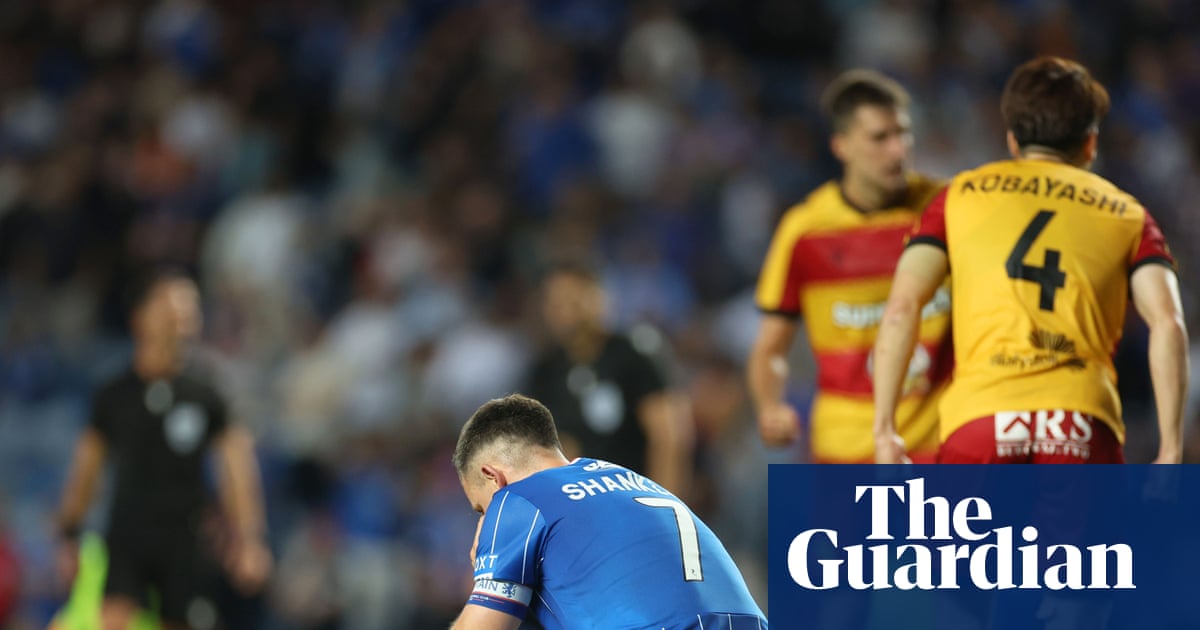
Look at the tactical setup during the aggregate collapse against Jagiellonia Bialystok. McInnes deployed a flat double-pivot that completely severed the central midfield from the front line. Rangers sat in a passive mid-block, allowing the Polish side to dictate the tempo inside Ibrox without facing any structural pressure.
The 1-1 result at Ibrox was not bad luck; it was the inevitable output of timid preparation. Rangers generated almost zero open-play threat, relying on secondary set-piece bounces while getting cut open on quick turnover transitions. That is not how a top Scottish team operates at home.
Frustrated supporters are already calling McInnes out of his depth. Defenders will point to history, citing how Graeme Souness got sent off against Hibs on his debut or how Dick Advocaat fell 3-0 down to Shelbourne in 1998 before securing a treble. But those managers had clear tactical principles that eventually asserted themselves.
McInnes has shown no such vision. His defensive shape against Hibernian last week exposed a complete lack of pressing triggers. When your center-backs split wide without a central midfielder dropping into the secondary line to cover, you invite structural chaos every time a winger loses the ball.
The numbers from the opening fortnight of the Scottish Premiership are brutal. Rangers have picked up a single point from two league matches. That is not a minor bump in the road; it is a full-scale competitive tailspin.
As The Guardian highlighted, the surrounding noise around Ibrox threatens to become a self-fulfilling cycle. But fan anger here is entirely rational. Supporters are watching a team with no vertical passing speed, no wing width, and no clear tactical identity.
Against Jagiellonia, Rangers managed just two registered shots on target throughout the second half. Chasing a tie on home turf in Europe demands relentless wave attack. Producing two weak efforts in forty-five minutes is a tactical failure of the highest order.
The Financial Black Hole at Ibrox
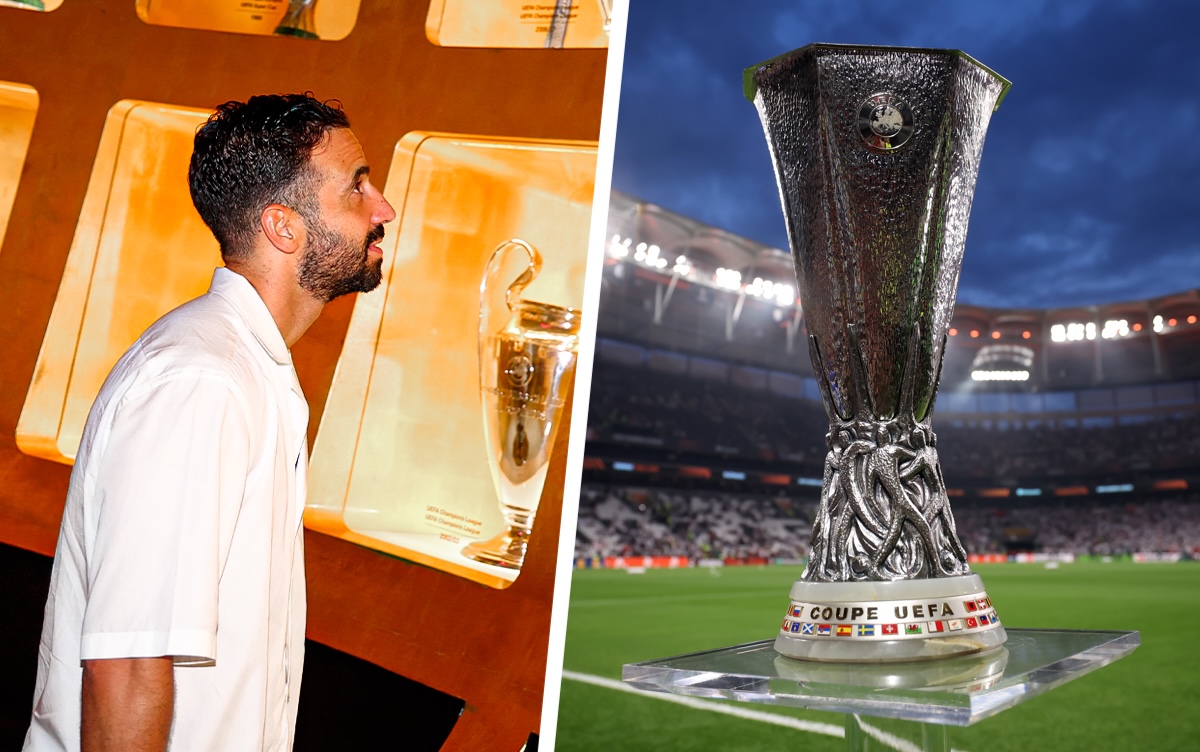
Crashing out of Europa League qualifying does not merely bruise pride. It shreds the financial model underpinning the club's budget. Dropping into the Conference League creates an immediate structural deficit that no board spin can erase.
Football finance expert Kieran Maguire outlined the cold realities facing the club following the exit. The drop in European tiering triggers a steep slide in UEFA prize distributions, coefficient payments, and broadcasting revenues.
Rangers now face an estimated revenue shortfall of roughly £8m compared to recent European runs. Over the past five seasons, European participation brought in approximately £18m, representing nearly 19 percent of the club's entire turnover. Losing a chunk of that revenue stream severely restricts future maneuvering.
The financial hit extends directly to matchday operations. Competing in the Conference League league stage provides only three home matches instead of the four guaranteed in the Europa League. That means thousands of lost ticket sales, concessions, and matchday hospitality packages.
Even securing that lesser purse is not guaranteed. Rangers must first navigate a two-legged playoff against Czech outfit Jablonec. If McInnes stumbles against Jablonec, European revenue vanishes entirely, accelerating the financial crisis into an emergency.
The US ownership group invested an initial £20m upon taking control a year ago, followed recently by a £16m share issue. But equity injections cannot continually cover operational bleeding caused by European failure. Investors expect self-sustaining revenue, not an endless money pit.
When board members calculate the cost of missing out on premier European money, managerial tolerance vanishes. If the choices are paying off a managerial contract or watching commercial revenue collapse, the board will act without hesitation.
The Transfer Market Trap and Squad Imbalance
Player trading was supposed to serve as the primary hedge against European shortfalls. Instead, flawed market strategy has locked Rangers into an extremely vulnerable position.
The board recently rejected an offer of £22m for striker Youssef Chermiti. Shortly after that decision, Chermiti suffered a major injury against Hibernian that threatens to keep him sidelined for the rest of the campaign. Turning down a massive capital injection only to lose the player to long-term injury is a catastrophic sequence.
With Chermiti unavailable, Belgian midfielder Nico Raskin becomes the club's sole premium trading asset. Valued at roughly £14.5m on Transfermarkt, Raskin represents the only remaining source of significant transfer capital. Yet selling him creates an insurmountable problem on the pitch.
Raskin is the only midfielder in the squad capable of breaking lines with forward passes. Selling your best ball-progressor to patch a balance sheet leaves the squad completely gutted in central midfield. You solve a financial deficit by creating a tactical vacancy you cannot afford to fill.
Squad recruitment over the last twelve months has been completely erratic. Over twenty players have arrived at Ibrox in a single year, yet the starting lineup lacks any semblance of cohesion. That is a damning indictment of the club's talent identification process.
Bringing in massive player volume without an overarching tactical framework creates squad bloat. High wage bills for squad players prevent targeted additions where the team actually needs them—specifically at center-back and defensive midfield.
Meanwhile, ambitious plans to refurbish Ibrox and upgrade the training facility require significant capital allocation. Capital expenditure cannot thrive while squad value depreciates on the pitch. The board is running out of financial levers to pull.
Fan Mutiny and the Final Verdict
The breach between the supporters and the club hierarchy is widening into a chasm. Four days prior to the Jagiellonia tie, roughly 800 shareholders gathered at a contentious meeting at Ibrox.
One shareholder stood up and delivered an ominous warning directly to the American owners that captured the room's frustration:
"Be very careful - as much as we're loyal, if this rot continues, the atmosphere in the crowd will lead to people not turning up and buying what you're selling us."
That intervention drew unanimous applause because it articulated what every regular at Ibrox is feeling. Fan anger is manageable for a board; fan apathy is fatal. Once season ticket holders start leaving seats empty, commercial revenue cascades downward.
As BBC Sport reported, Chris Jack of the Rangers Review highlighted how fragile the situation has become:
"You cannot knock the loyalty and support the Rangers fans have given the club over many, many years, but every individual fan or fan base has a breaking point."
That breaking point is here right now. When supporters lose faith in both the manager's tactical competency and the board's recruitment strategy, the manager always pays the price.
Here is the definitive prediction: Derek McInnes will be sacked before November 30.
The mathematical reality is undeniable. You cannot absorb an £8m European shortfall, lose your primary £22m transfer asset to injury, play uninspired football with broken pressing structures, and expect new American owners to sit quietly as attendance drops.
McInnes does not possess the tactical variation needed to fix this midfield disconnect under pressure. Navigating past Jablonec into the Conference League group stage will not save him. The structural flaws in this squad are too deep, and the fixture list will expose them repeatedly.
By the time autumn turns to winter in Glasgow, the atmosphere at Ibrox will become completely toxic. The board will cut their losses and dismiss McInnes before the December schedule begins, initiating another expensive reset for a club that cannot stop spinning its wheels.