The Tactical Shift That Saved Leeds
Second-year syndrome usually strikes promoted teams like clockwork. Opponents figure out your press, your squad gets leg-weary by November, and the initial euphoria dissipates into a grim survival fight. Leeds United enter the 2026-27 campaign expecting to destroy that trope entirely.
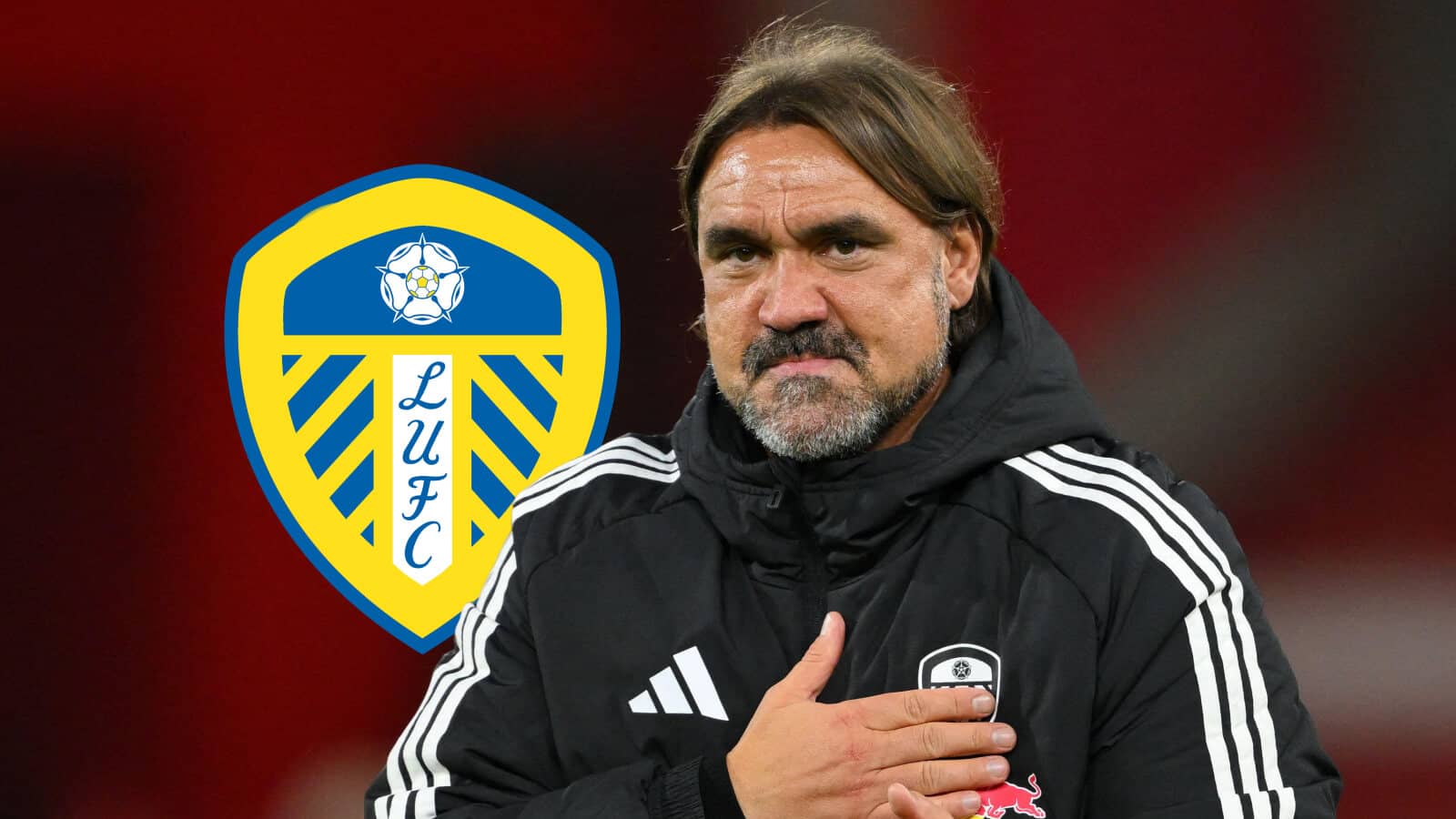
Look at the numbers from the second half of last season. In late November, Leeds were spiraling, and Daniel Farke was sitting on a seat hot enough to singe his trousers. Then came the radical shape shift that saved their campaign.
Farke junked his traditional 4-2-3-1 in favor of a fluid 3-5-2 system. The transformation was instant and undeniable. From December 1 onward, Leeds collected points at a pace that placed them seventh in a hypothetical second-half table, eventually coasting to a respectable 14th-place finish alongside an FA Cup semi-final run.
That tactical flexibility proved Farke is more than just a possession dogmatist. The 49-year-old German coach famously describes himself as “a football romantic who has learned that romanticism shouldn’t blind you to reality.” When reality demanded a deeper block and quicker vertical transitions, he adapted.
The 3-5-2 framework resolved two major issues that plagued Leeds early last term. First, it protected central space, forcing opposing builds into harmless wide zones where wing-backs could trigger traps. Second, it created immediate passing lanes into Dominic Calvert-Lewin, giving Leeds an efficient target when absorbing pressure.
Brenden Aaronson remains another intriguing element in Farke’s tactical puzzle. After returning from the World Cup with the United States and marrying Milana D’Ambra in late May, Aaronson faces a pivotal season. His pressing stats and relentless engine fit Farke’s hybrid 3-5-2 perfectly, providing the energetic link between midfield and attack.
Heavy Investment in the Spine
Maintaining that upward trajectory requires serious squad upgrades, and the club's board has delivered. Backed by 49ers Enterprises, Leeds spent aggressively this summer to reinforce the central axis of the pitch.
The headline move is the club-record £40m signing of goalkeeper James Trafford from Manchester City. At 23, Trafford spent last year as City’s backup after establishing his credentials at Burnley, but his upside remains sky-high.
Trafford’s background adds a distinct composure to his game. The son of a Cumbrian farmer who still helps out at lambing time, the 23-year-old keeper plays with a calm, unbothered demeanor under extreme pressure. After learning under Pep Guardiola at Manchester City and pushing Jordan Pickford in Thomas Tuchel's England setup, Trafford possesses both the technical sweeping range and shot-stopping standard Leeds required.
Trafford’s inclusion fundamentally alters how Leeds construct play from deep. His calm distribution under high pressure allows Farke’s back three to split wider during first-phase build-up, drawing opposition forechecks and opening central passing corridors. He acts almost as an extra outfield sweeper, comforting a backline that likes to squeeze up to midfield.
Ahead of Trafford stands another major statement: 23-year-old Bosnian centre-half Tarik Muharemovic, secured from Sassuolo for £34m. Muharemovic brings a rare blend of balance and physical intimidation as a left-sided central defender.
In pre-season, Muharemovic gave Elland Road a preview of his style when he physically overwhelmed Sunderland’s formidable Dutch striker Brian Brobbey. Leeds supporters immediately dubbed him the Bosnian King, and it is easy to see why. He steps out of line with conviction, wins his aerial duels, and possesses a crisp left-foot delivery that breaks lines into midfield.
Muharemovic’s partnership with Joe Rodon and Pascal Struijk gives Leeds genuine height and ball-playing composure across all three central defensive slots. During build-up phases, Muharemovic’s willingness to slide into left-channel space frees up the left wing-back to push high into the final third. That structural symmetry allows Leeds to sustain attacks without exposing themselves to quick counter-attacks.
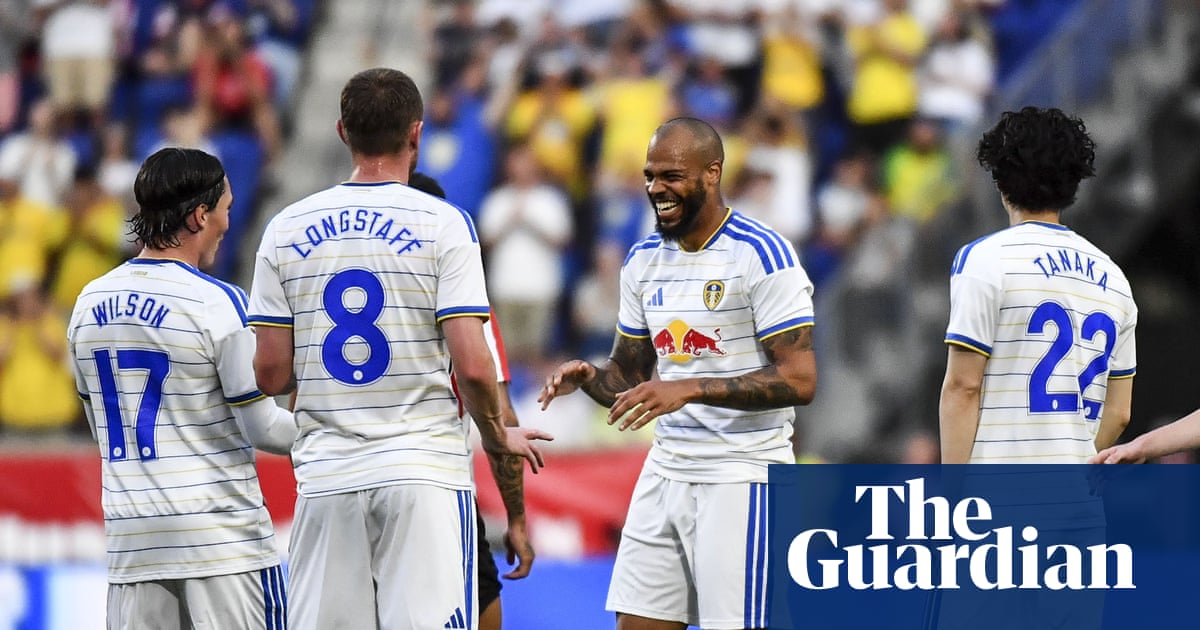
To complement the defensive upgrades, Leeds snapped up Harry Wilson on a free transfer from Fulham. Wilson’s arrival gives Farke a specialized set-piece taker and an intelligent link player who can operate as a dynamic central midfielder or a tucked-in wide playmaker.
Wilson’s dead-ball delivery will be a vital weapon for Calvert-Lewin. When fully fit last season, Calvert-Lewin was unplayable, dominating aerial duels and pinning central defenders to create space for late runners.
Farke’s pre-season preparations have gone smoothly, yielding sharp performances against quality opponents. Speaking after recent friendlies, Farke kept expectations grounded:
“Pre-season has given us confidence. Everyone is talking of Europe and trophies but it’s important we stay humble and grounded.”
He added:
“In the last 25 years our highest Premier League finish has been ninth so we need to go step by step. The second year after promotion can be difficult and dangerous but we are hopeful we can have a good season.”
Flaws, Fragility, and Off-Field Realities
Yet for all the optimism surrounding Elland Road, this squad is not without clear vulnerabilities. The entire attacking structure relies heavily on Calvert-Lewin’s physical durability, which has historically been erratic.
The depth behind him remains questionable. Noah Okafor finished last season with flashes of quality, but his summer at the World Cup with Switzerland raised fresh concerns. Okafor logged just 25 substitute minutes against Algeria as Switzerland reached the quarter-finals. Head coach Murat Yakin clearly struggled to trust him in high-stakes matches, leaving questions about whether Okafor can carry the scoring burden if Calvert-Lewin misses extended time.
There are also tactical questions about Farke's secondary setup. When opponents sit deep in a compact low block, Farke’s side has occasionally lapsed into passive side-to-side passing without penetrating the box.
Off the pitch, the club is pushing forward under the leadership of chair Paraag Marathe, managing director Robbie Evans, and sporting director Adam Underwood. The board is driving a major stadium modernization project that will increase Elland Road’s capacity from 37,792 to 53,000, expanding commercial revenue streams to stay comfortably compliant with financial regulations.
However, fans face a frustrating reality outside the turnstiles. City council plans for a new tram network have suffered another severe delay. With local public transport links already struggling under heavy traffic congestion, getting 53,000 supporters in and out of Beeston on matchdays threatens to be an absolute logistical mess.
Verdict and Season Prediction
Farke famously likes to describe his personality as “95% coffee and cake on the sofa and 5% fire beast.” But make no mistake: underneath the relaxed press conference demeanor lies a coach who has systematically erased his former reputation as a mere promotion-and-relegation yo-yo manager.
He knows the margin between comfort and crisis in the Premier League is razor-thin. His switch to pragmatic possession-based football shows a tactical maturity that many pundits doubted he possessed during his Norwich days. As Farke noted: “My brand of football normally suits teams who dominate possession but I’m always switched on to what is necessary.”
Guardian writers have forecast a 12th-place finish for Leeds, anticipating steady progress without explosive drama. That feels like a realistic assessment of a team that has fixed its core defensive deficiencies while maintaining tactical coherence.
If Trafford settles quickly and Muharemovic continues his commanding form, Leeds will not just survive; they will dictate matches against mid-table rivals. Expect a comfortable finish in 11th place, well clear of the relegation scrap, establishing Elland Road as a genuine Premier League fixture once again.
Read Next
- Why Modern Football Fans Track the Superstars, Not the Clubs
- Leeds look top-flight ready while Man United remain a work in progress
- Everton and Palace just pulled off the most logical swap deal in years
- Arsenal look ready to dominate, but Arteta's summer moves carry real risk
- 🏟 EFL Championship 2025-26 — Promotion Race & Play-Off Final Hub