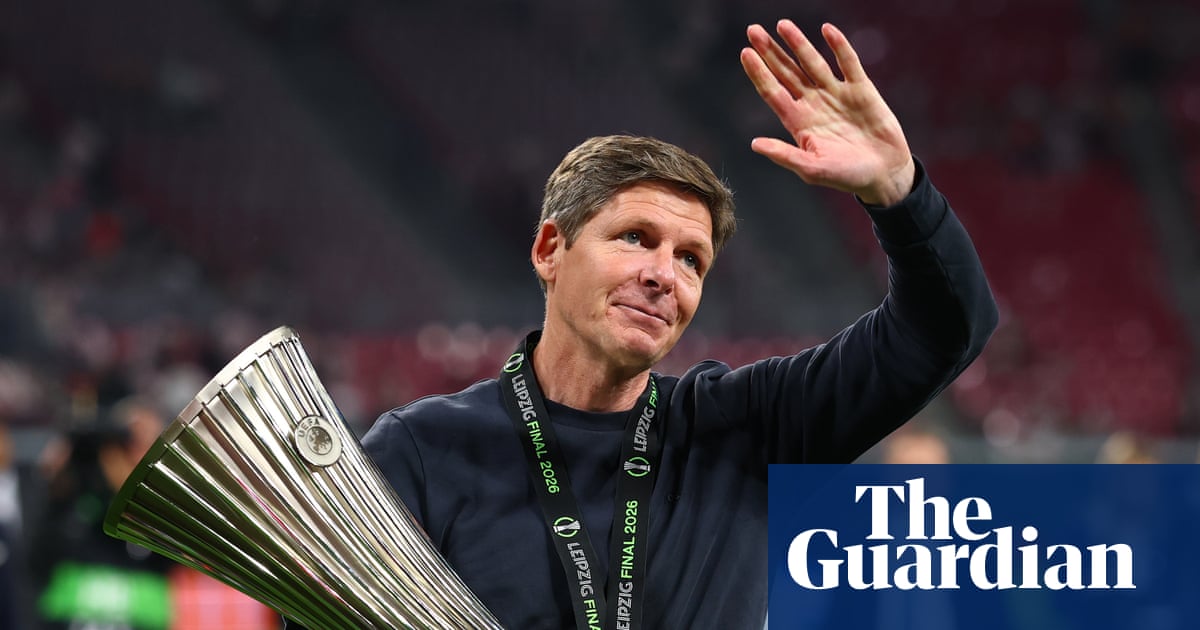
The cost of Glasner’s golden exit
Oliver Glasner’s departure from Selhurst Park isn't just a change in the dugout; it is a structural abandonment at the precise moment of maximum prosperity. By securing the Conference League title against Rayo Vallecano in Leipzig, Palace finished a run of three major trophies in just 12 months. This is an unprecedented purple patch for a side typically associated with mid-table consolidation.
However, the transition from success to sustainability is where most clubs founder. Chairman Steve Parish has managed expectations by confirming there will be no U-turn on the manager’s decision to exit. As The Guardian noted following the final whistle, the emotional weight of this farewell was heavy, yet the cold reality of recruitment is already pressing against the club's administration.
The incoming manager inherits a poisoned chalice
Crystal Palace have reportedly already reached an agreement with a successor, with an announcement expected as early as today. This speed is either a sign of elite-level planning or a desperate attempt to avoid market volatility. Anyone stepping into this role inherits a squad that has peaked tactically under Glasner’s high-pressing, high-intensity system.
The club now faces the classic trap of the successful outlier. They are now an attractive target for bigger sides looking to poach talent, especially with the 2026 World Cup kickoff approaching and market valuations for their key contributors likely at an all-time high. Keeping the core of the side together will be more difficult than winning the actual trophy in Germany.
Tactical regression or evolution?
Glasner’s influence on Palace was not merely about results but about a specific, ruthless application of pressure and space denial. The metrics show a team that squeezed the life out of opponents in the final third, forcing errors that created efficient, high-xG scoring chances rather than relying on individual brilliance. Without his specific coaching thumbprint, the team risks falling back into the erratic performance patterns that defined the years before his arrival.
The club must now navigate a transfer window that will see their players linked to clubs with deeper pockets and Champions League football. If Parish decides to cash in on the current momentum by selling assets instead of reinvesting, the trophy haul could be a short-lived anomaly. As reported by the Daily Mail, building on this tenure requires a surgical approach to the transfer strategy rather than a wholesale panic-buy spree.
The danger of the 'next man up' mentality
Palace is currently playing a dangerous game with their identity. The discourse around the club has been one of unbridled celebration, but the underlying narrative should be one of extreme caution. Replacing a manager who secured three trophies in a year is mathematically likely to result in a regression of output.
If the new manager attempts to tweak a system that—by virtue of these trophies—was evidently functioning at an optimal 95 percent efficiency, they might break the momentum entirely. The supporters should be wary of the common delusion that success is a self-sustaining momentum. Success is a series of specific, repeatable choices, and removing the primary decision-maker resets the dial to zero.
As Football365 recently highlighted, the rush to name a successor suggests that the board is prioritizing continuity in name only. Whether that translates to tactical continuity remains the most pressing question for the fanbase. The next six months will prove if this era was a legitimate foundation for a top-six challenge or merely a spectacular final act for a coach who knew when to get out.