The Azteca Post-Mortem
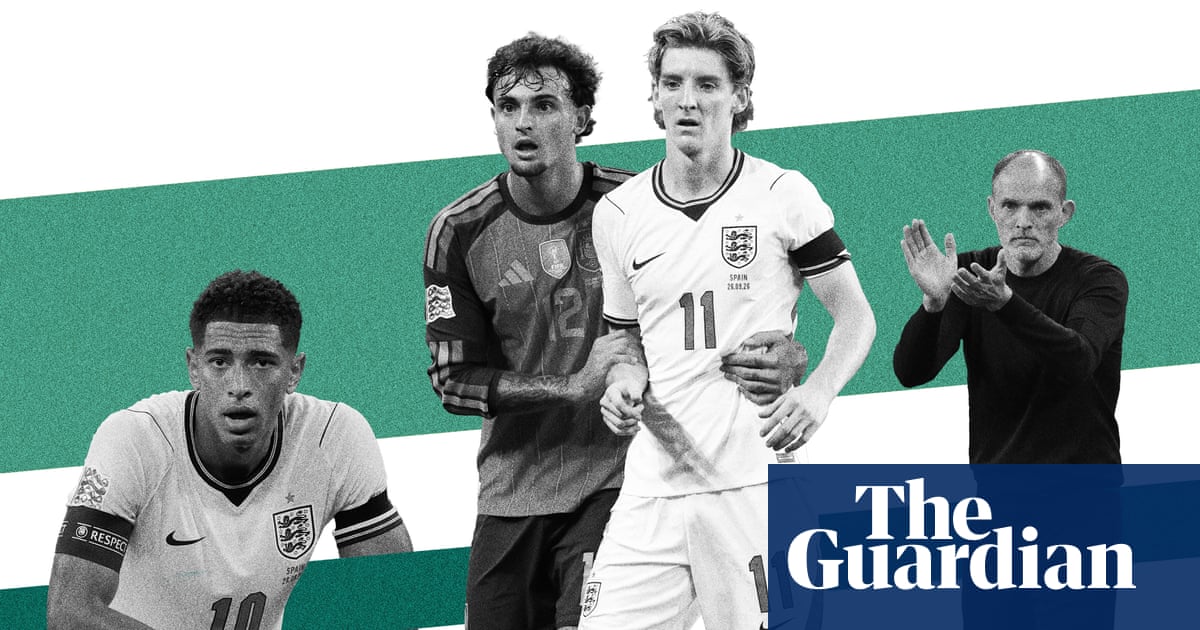
England reached the quarter-finals by surviving a chaotic night in Mexico City. The final whistle brought relief, but the tactical fallout has only just begun. Thomas Tuchel now faces a defensive crisis of his own making.
Before Jarell Quansah saw red in the 54th minute for a high challenge on Jesús Gallardo, England controlled the pitch. Their 4-2-3-1 shape functioned with mechanical precision. Kobbie Mainoo and Declan Rice anchored the midfield, allowing Jude Bellingham to torment the Mexican half-spaces.
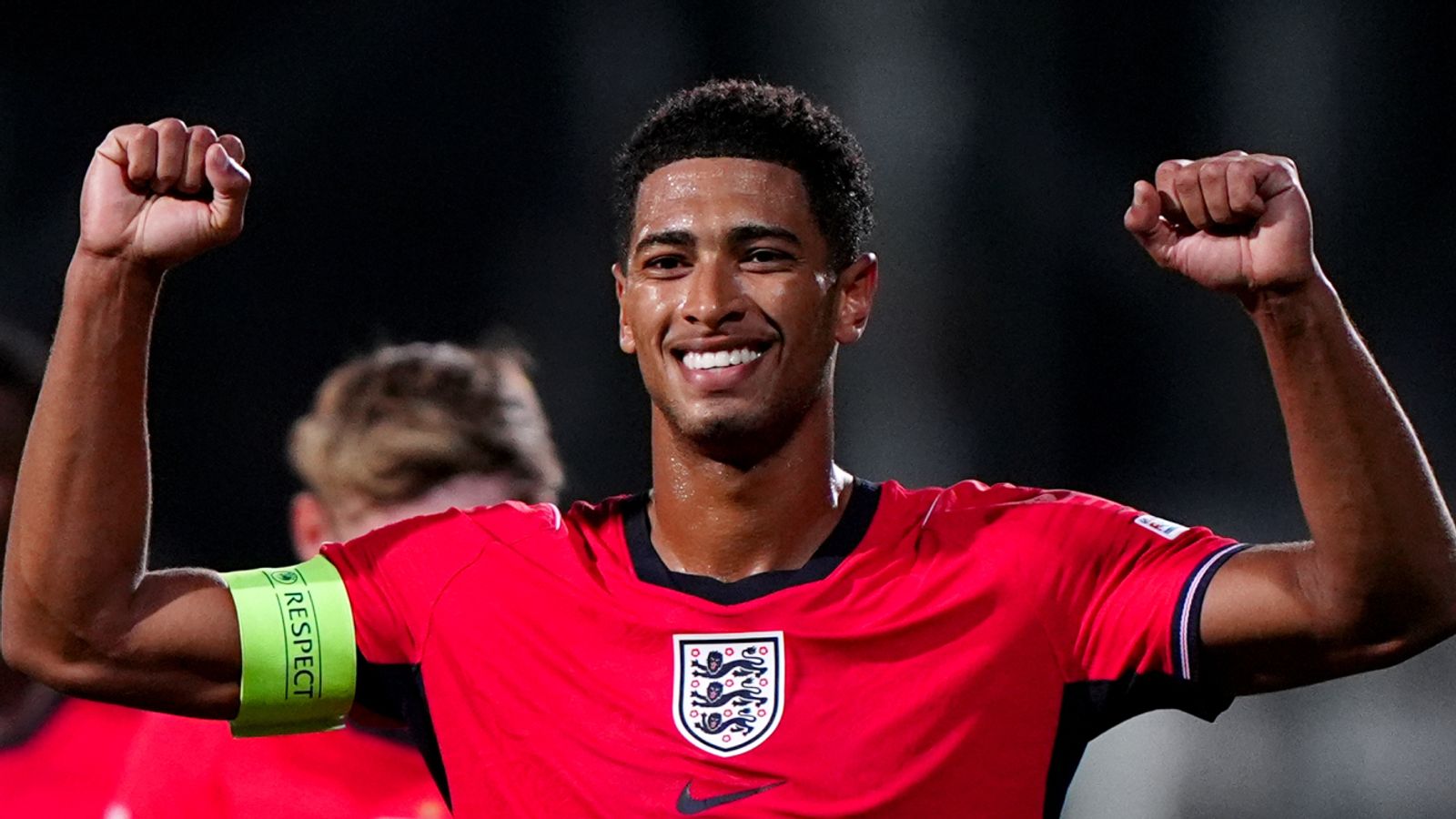
Bellingham’s brace in the 36th and 38th minutes showed the value of vertical passing. For the first, Mainoo bypassed the Mexican press with a single line-breaking pass. Bellingham turned, drove forward, and beat the goalkeeper at the near post.
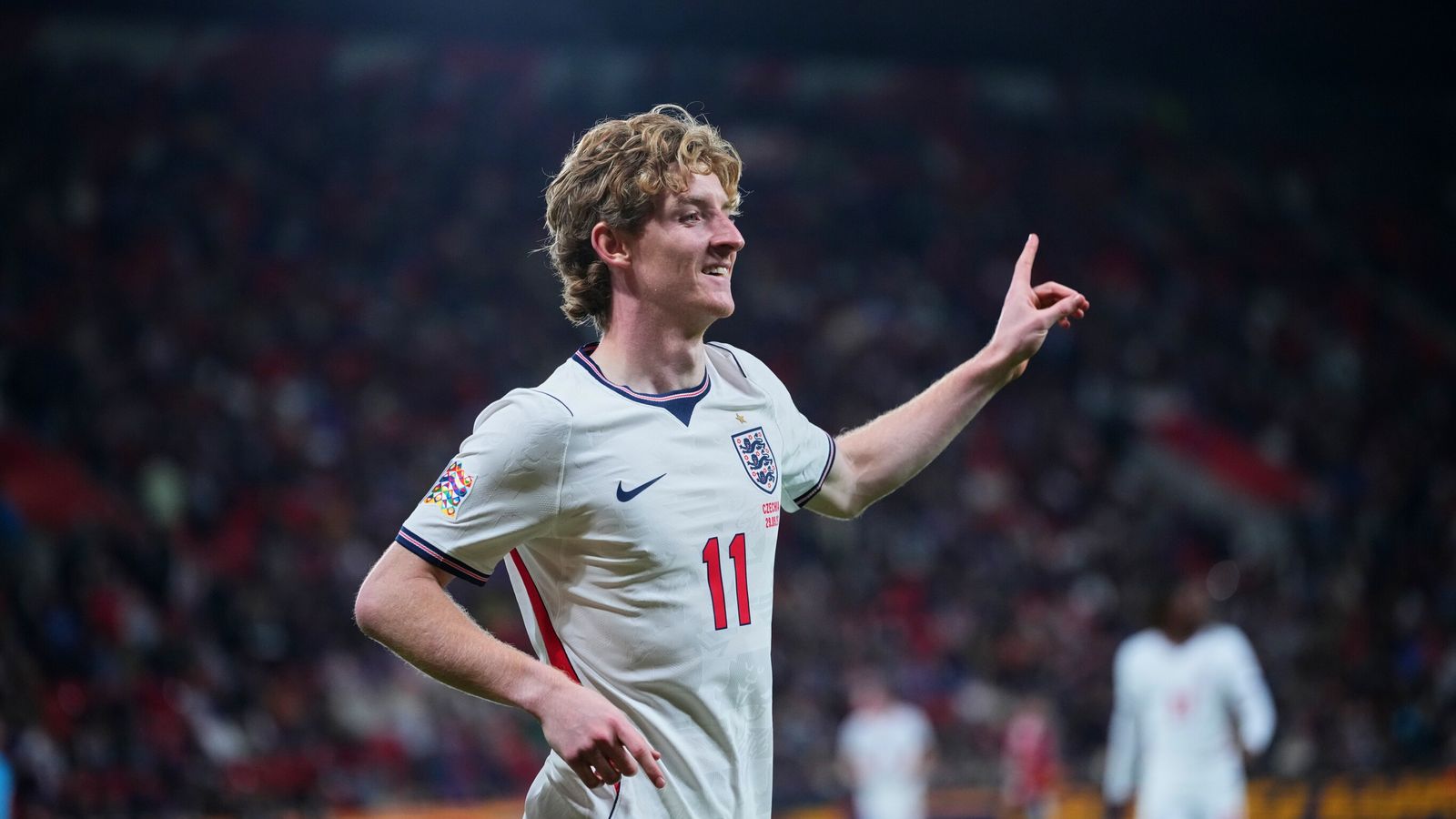
The second goal was equally clinical. Anthony Gordon stretched the defense wide, creating a gap for Bellingham to arrive unchecked. But the game turned on its head when Quansah was dismissed.
England were forced to defend their lead under relentless pressure after a victory over Mexico. Tuchel reacted by moving Ezri Konsa to right-back and introducing John Stones. They sat in a deep 4-4-1 block, surviving for 36 minutes to secure their passage in a 3-2 win. The plan worked.
The Political Noise and the Precedent
Yet, the discussion after the match focused more on officials than tactics. Tuchel launched a scathing attack on the officiating, calling it erratic and unreliable. His frustration was fueled by a bizarre precedent set earlier in the tournament.
USA forward Folarin Balogun had his red-card suspension lifted after political intervention. Donald Trump reportedly contacted Gianni Infantino, prompting FIFA to use Article 27 of its disciplinary code. The decision allowed Balogun to continue playing, establishing a highly controversial double standard.
As Chris Foy argued in his column, the tournament's officiating has been generally acceptable. The VAR system corrected the initial on-field error regarding Quansah’s challenge. The FA's attempt to appeal the suspension using the Balogun precedent is a desperate sideshow.
Tuchel must ignore the administrative drama and focus on the pitch. The reality is that England will likely be without Quansah. Stones must start, and he faces the most daunting striker in world football.
Norway's MetLife Blueprint
Norway reached the quarter-finals by dismantling Carlo Ancelotti’s Brazil. Their 2-1 victory at MetLife Stadium was a masterclass in defensive organization. Ståle Solbakken did not match Brazil's individual quality; he suffocated it. Norway's mid-block is stubborn.
Norway deployed a compact 4-1-4-1 mid-block. Patrick Berg played as the defensive screen, shadowing Brazil's central creators. The spacing between Norway's defensive and midfield lines remained under eight meters throughout the match.
Brazil were forced into wide areas, where their crossing was repeatedly cleared. Leo Østigård and Andreas Hanche-Olsen won 83% of their defensive duels. Solbakken's side allowed Brazil possession but denied them high-value central shots.
Then came the transitions. Erling Haaland scored twice by exploiting Brazil's high defensive line. His physical presence and speed made Marquinhos look ordinary.
The second Norwegian goal was particularly instructive. Martin Ødegaard recovered possession, turned away from pressure, and released Haaland with a first-time pass. The striker’s run started from his own half, leaving the Brazilian defense chasing shadows.
The Tactical Matchup in Miami
The midfield battle
The quarter-final in Miami, scheduled for Saturday at 10:00 PM BST, will be won or lost in these transitional moments. Tuchel’s England must dominate possession without leaving themselves exposed. A slow build-up will play directly into Solbakken's hands.
If England pass laterally, Norway will simply shift their block. Mainoo must repeat his progressive passing from the Mexico match. His ability to find Bellingham in tight areas is England's best weapon.
Bellingham will face a direct opponent in Berg. The Norwegian midfielder is excellent at anticipating passes and stepping in to intercept. If Berg neutralizes Bellingham, England's attack will stall.
This is where Harry Kane must adapt. Kane has often dropped deep to link play, but against Norway, he must pin the center-backs. If Kane drops too far, he will congest the space Bellingham wants to exploit.
Kane must run in behind, even if he rarely receives the ball. These decoy runs will force Østigård to retreat, opening up the space between Norway's lines. Bukayo Saka must also make diagonal runs from the right wing to drag Julian Ryerson out of position.
Norway's build-up is relatively simple but highly effective. Solbakken's side does not invite high pressure. Instead, Østigård looks to bypass the first line of engagement by playing long diagonal passes to the wings, where Ryerson or Pedersen look to win the second ball.
If England press high, they must win these second balls. If Rice or Mainoo fail to secure possession after an aerial duel, Ødegaard will instantly look to feed Haaland in transition.
This means England's front four must remain compact when pressing. Saka and Gordon must tuck inside to deny Norway easy passing lanes to Berg. If the press is fragmented, Norway will bypass it with ease.
Tuchel’s game plan must focus on three distinct defensive phases:
- Denying Martin Ødegaard space to turn in the right half-space.
- Using Harry Kane to pin Norway's center-backs deep.
- Maintaining a low block to prevent Haaland from running in behind.
Defending Erling Haaland
England's biggest challenge is stopping Haaland in transition. Stones and Marc Guéhi will form the central partnership. They cannot afford to defend in a high line.
Haaland's movement is designed to isolate the weaker defender. He will likely target Guéhi, using his physical strength to win long balls. Stones must act as the cover, sweeping up behind his partner.
The pressing triggers in midfield will be vital. Rice must prevent Ødegaard from turning with the ball. If Ødegaard is allowed time to look up, Haaland will run.
England's full-backs must also remain disciplined. Kieran Trippier must resist the urge to overlap constantly. If he is caught high up the pitch, Haaland will drift into the channel behind him.
Tuchel may choose to drop his midfield deeper, refusing to engage Norway high up the pitch. By conceding possession, England can limit the space behind their defense. This approach would frustrate Haaland but test England's concentration.
Norway's physical superiority in midfield is a concern for England. Sander Berge's ball-carrying ability could bypass England's first line of engagement. If England press too high, they risk leaving their backline isolated against Haaland in transition.
Squad depth and the final verdict
If the match remains level past the hour mark, England's bench will decide the outcome. Tuchel has an array of attacking talent at his disposal. Cole Palmer, Phil Foden, and Ollie Watkins offer different tactical solutions.
Norway do not have this luxury. Solbakken's squad is top-heavy, relying heavily on their starting eleven. If the game goes to extra time, physical fatigue will catch up with the Norwegians.
But England must avoid a repeat of their defensive errors. The penalty conceded against Mexico showed a lapse in concentration. Against Haaland, one mistake means elimination.
Tuchel has built a team capable of winning ugly. The final 30 minutes against Mexico proved they can suffer. They will need that resilience in Miami.
Norway will score. Haaland is in too fine a form to be kept quiet for ninety minutes. He will exploit at least one defensive slip.
But England have too many attacking avenues. Bellingham's form and Kane's penalty-box presence will break Norway's resistance. Tuchel’s tactical flexibility will secure the victory.
England will progress. My call is a grueling 2-1 victory after extra time. Expect the bench to make the difference.
Read Next
- Why Jude Bellingham will carry England past Norway despite the Quansah red card
- England's talent pipeline has left them vulnerable to Erling Haaland
- Why Neymar’s weird MetLife milestone is the perfect end to his career
- Why Rafa Benitez is the wrong man to rebuild Scotland
- 🏴 England World Cup 2026 — Three Lions Hub
- 🇳🇴 Norway World Cup 2026 — Can Haaland Lead the Vikings?