The Azteca Scaffold and the Quansah Crisis
England did not just survive the Azteca; they emerged with a tactical blue-print and a looming suspension crisis. The 3-2 victory over Mexico was a chaotic affair, marked by Jude Bellingham's first-half double and a disastrous red card that will reshape the quarter-final.
Jarell Quansah's dismissal in the 54th minute for a desperate, trailing challenge on Julián Quiñones was a symptom of England's recurring defensive panic. Yet, the narrative following the match has focused almost entirely on the midfield dominance that preceded the collapse.
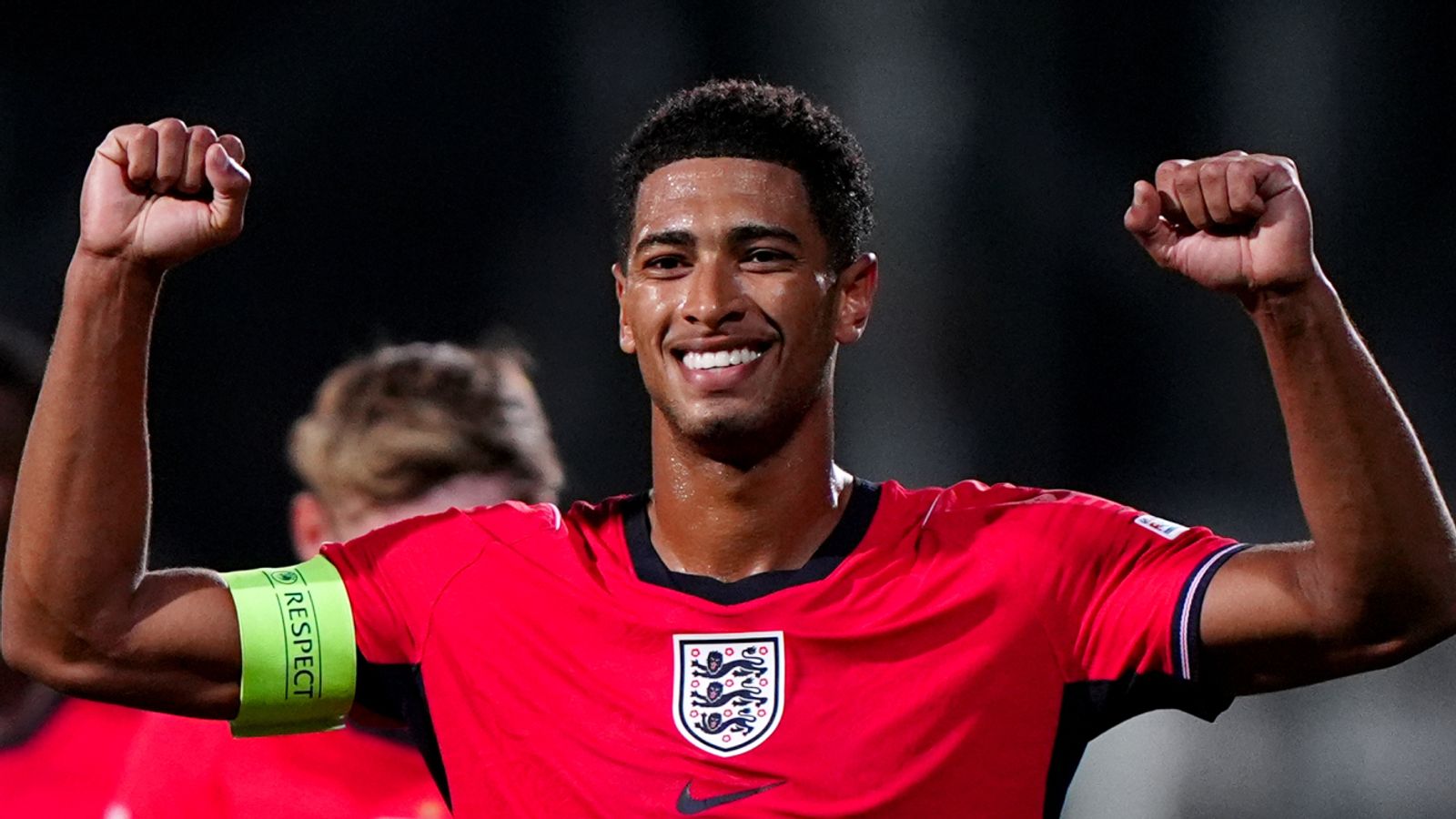
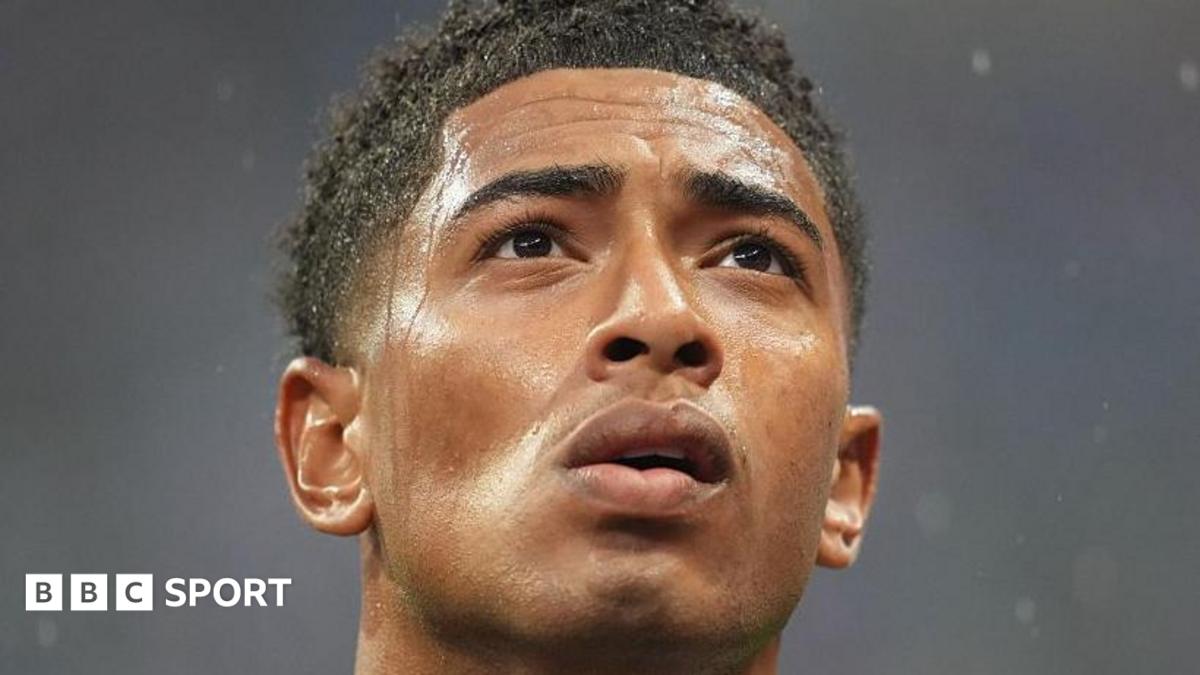
Wayne Rooney, speaking on the BBC, was quick to draw parallels to the past, asserting that Jude Bellingham's performance ranked alongside the most iconic displays of Steven Gerrard and Roy Keane. Rooney noted Bellingham's uncanny ability to take the game by the scruff of the neck, driving England forward when Mexico threatened to overrun them.
As BBC Sport reported, the comparison was not merely hyperbole; it was grounded in the sheer volume of Bellingham's defensive and offensive contributions. Bellingham himself remarked after the match that in years gone by, England "would have crumbled" under that level of hostility in Mexico City. Rooney agreed, admitting that previous England sides—including those he starred in—often "didn't show up" in such atmospheric pressure cookers.
But Rooney also offered a sharp, necessary critique of the aftermath. He publicly criticized England's wild dressing room celebrations, stating it was "too soon" to be partying when the job is only half done. He is right.
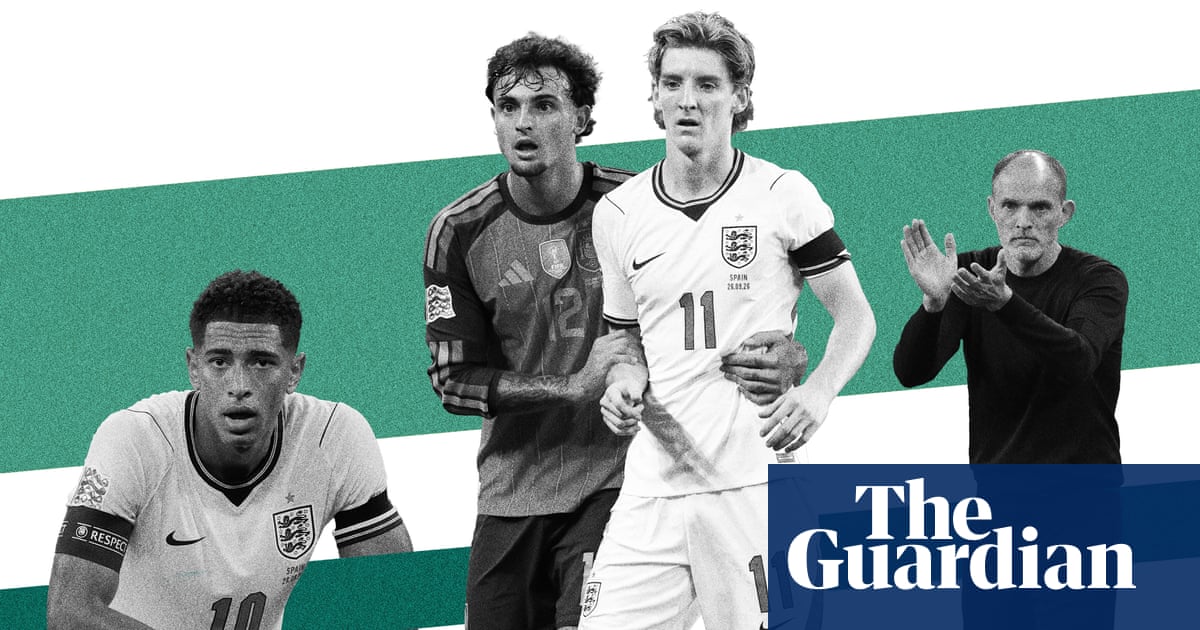
The victory in Mexico City was expensive, and Thomas Tuchel now faces a selection headache that could derail England's entire tournament. With Quansah suspended, the central defensive partnership is fractured just as the most lethal striker in world football prepares to exploit it.
The Haaland Gravity and Norway's Direct Threat
Norway's historical run to the quarter-finals has been built on a simple, devastating premise: Erling Haaland is scoring at a rate that defies tournament football. Their 2-1 victory over Brazil in the round of 16 was a masterclass in direct, vertical transition. Brazil controlled 62% of the possession but were repeatedly caught flat-footed by Norway's rapid verticality.
Haaland scored both goals, first with a thumping header in the 79th minute from an Andreas Schjelderup cross, and then with a clinical 90th-minute finish. That brace brought Haaland's tournament tally to seven goals, establishing him as the focal point of England's defensive planning.
The Haaland Run and the Ødegaard Pivot
Norway's tactical shape is designed to maximize Haaland's spatial gravity. Under the guidance of their coaching staff, Martin Ødegaard drops deep into the right half-space, acting as a deep-lying playmaker who lures opposition midfielders out of their shape. This vertical stretching of the opponent's mid-block creates a chasm between the midfield and defensive lines.
The moment Ødegaard turns, Schjelderup and Haaland make diagonal, opposing runs. It is a dual-threat mechanism that forces center-backs to make split-second decisions on whether to drop or step up.
Against Brazil, this pattern was visible in every counter-attack. In the 79th minute, Ødegaard's first-time pass bypassed Brazil's midfield line, finding Schjelderup who delivered the cross for Haaland's header.
England's backline, which has struggled with vertical coordination all summer, will be severely tested by this constant threat. If England's midfielders fail to suppress Ødegaard's service, the defensive line will be forced to drop deep, leaving a massive gap in the center of the pitch.
The Midfield Lock and the Spacing Battle
To stop Norway, Tuchel must construct a midfield lock that prevents Ødegaard from accessing his favorite passing lanes. England will likely set up in a compact 4-2-3-1, shifting into a narrow 4-4-1-1 out of possession.
Declan Rice will play a pivotal role in this system, acting as the defensive anchor who occupies the space directly in front of the back four. Rice's defensive metrics in this tournament have been outstanding, boasting an 88% tackle success rate and averaging 4.2 interceptions per match. His primary task in Miami will be to shadow Ødegaard whenever the Arsenal playmaker drifts inside.
However, the tactical spacing becomes complicated when Bellingham pushes forward to support Harry Kane. If Bellingham is caught too high up the pitch during transition phases, Rice will be left isolated against a pocket of Norwegian runners.
The defensive balance is fragile, and any physical setback in midfield could be catastrophic. We have already seen how injuries can destroy a team's tactical spine, such as when Amadou Onana clutched his knee in the 21st minute of Belgium's match against the United States, as detailed in reports of the Emery high-line crisis at Aston Villa. Rice's physical resilience is the single most important asset England possesses in this matchup.
The suspension of Quansah forces Tuchel's hand in defense. Marc Guéhi is the natural candidate to partner John Stones, but Guéhi's lack of height is a major concern.
Haaland's physical dominance in the air will be a primary target for Norway's long-ball exits. If Stones is forced to contest headers against Haaland, Guéhi must cover the second ball, a dynamic that Mexico exploited during their late surge at the Azteca. Tuchel cannot afford to play a high line; England must defend in a low-to-mid block to minimize the space behind their center-backs.
The Prediction: Why England Edge a Miami Thriller
This match will not be a comfortable watch for England fans, but they will progress. The prediction is a hard-fought 2-1 victory for England in extra time. Tuchel's tournament pedigree will prove decisive in the tactical adjustments made during the second half.
Stones will be instructed to play a highly conservative role, refusing to step into midfield and instead acting as a sweeper to contain Haaland's direct runs. This will limit England's build-up options, but it is a necessary compromise to neutralize Norway's primary weapon.
Expect Norway to score first through a set-piece or a rapid counter-attack engineered by Ødegaard in the first half. But England's bench depth and Bellingham's relentless physical drive will wear Norway down as the match progresses.
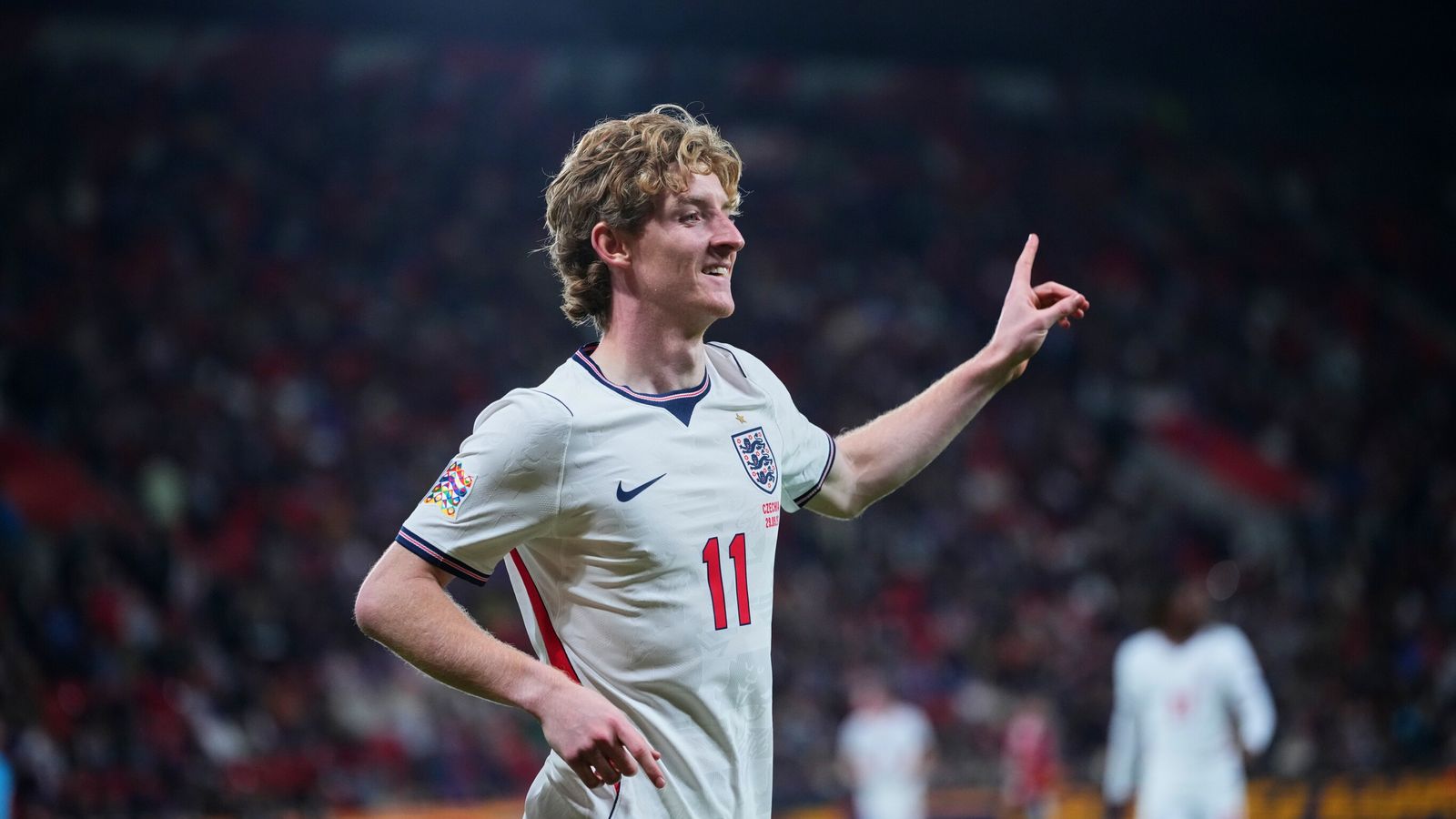
In the latter stages, Norway's lateral mobility will begin to fray, allowing Bukayo Saka and Anthony Gordon to exploit the space behind the Norwegian full-backs. England will find their equalizer late in normal time before Bellingham seals the victory in extra time, validating Rooney's praise and sending England into the semi-finals on July 11.
Read Next
- Why England's Bellingham and Kane dependency is a tactical trap
- England's two-man show is driving fans absolutely insane
- Spain's perfect defense is about to face its ultimate test against Belgium
- Is Wayne Rooney losing his mind comparing Jude Bellingham to Roy Keane?
- 🏴 England World Cup 2026 — Three Lions Hub
- 🇳🇴 Norway World Cup 2026 — Can Haaland Lead the Vikings?