When the rate of teams recovering from a two-goal deficit in World Cup knockouts spikes from 12.5% in Qatar to 37.5% in the opening round of 2026, tactical control is no longer a luxury. It is a myth.
This statistic defines the current tournament. It illustrates a broader systemic collapse of defensive structures across all teams. England's chaotic journey to the quarter-finals is the prime example of this trend.
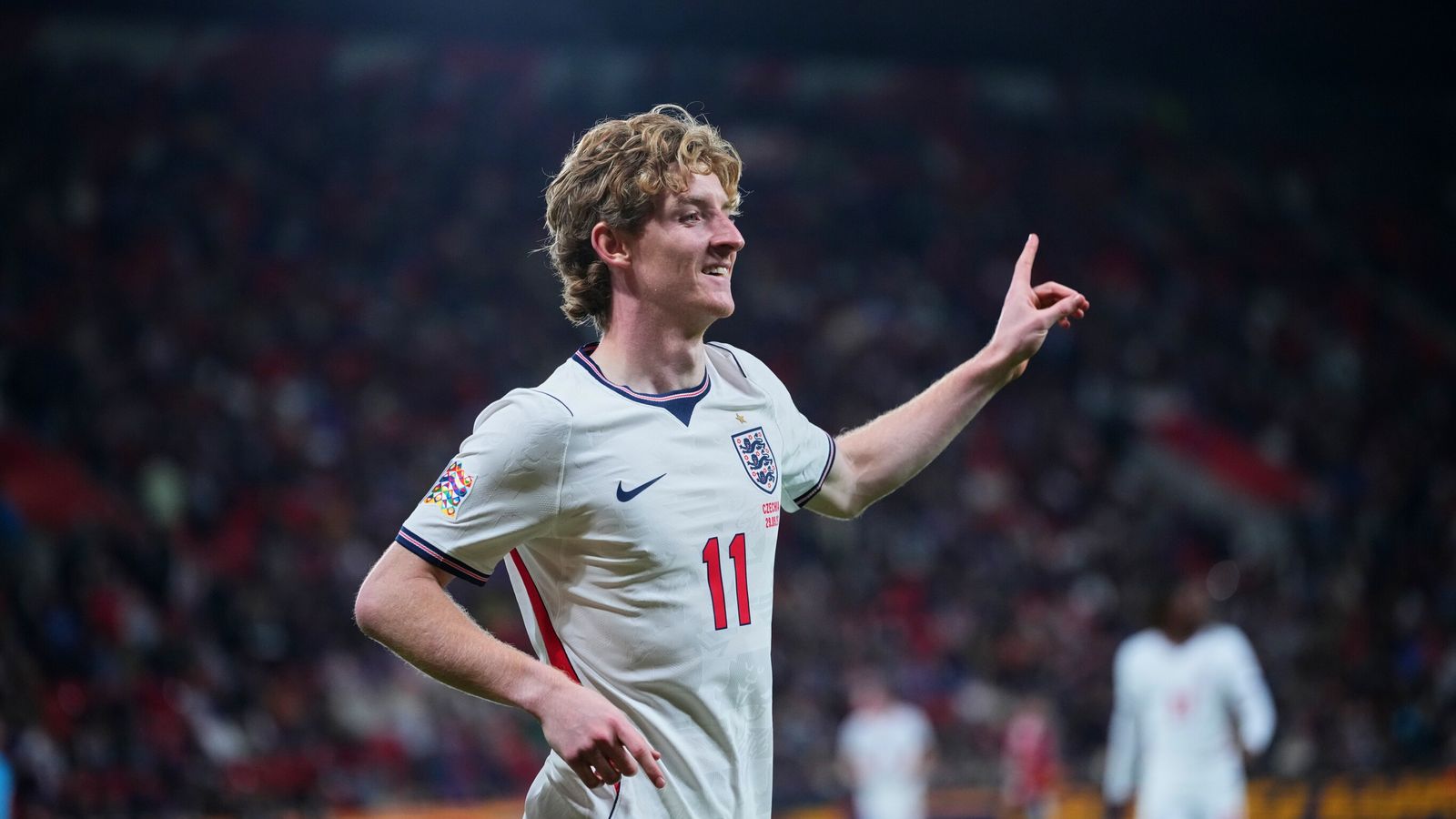
Thomas Tuchel's side reached the last eight by surviving a chaotic 3-2 victory against Mexico at the Azteca. That match was not a tactical masterclass. It was a physical survival test that exposed England's fundamental defensive weaknesses.
Playing the final 36 minutes with ten men after Jarell Quansah's red card pushed the team to its absolute physical limits. Without Quansah, the structural flaws of England's makeshift backline became glaringly obvious.
Tuchel must now prepare for a historic quarter-final against Norway on Saturday. Yet the tactical questions raised in Mexico City remain completely unanswered.
The Azteca Meltdown and the Quansah Void
England's defensive stability evaporated the moment Quansah was sent off. Before the red card, England controlled the half-spaces and limited Mexico to low-value shots from distance. After the 54th minute, the defensive line dropped ten yards deeper, creating a massive void in front of the penalty area.
During that final half-hour, England conceded 1.94 expected goals (xGA) in what was a desperate, disorganized scramble. This was not a controlled low block. Declan Rice was left to cover too much lateral ground, while the center-backs failed to step out and challenge attackers.
Quansah's suspension leaves a massive hole in a defense that was already struggling. The young defender provided the recovery pace needed to cover for John Stones' forward runs. Without him, England's backline lacks both speed and vertical aggression.
Tuchel's decision to withdraw a midfielder to preserve the lead against Mexico backfired. The team lost its ability to transition, completing just 64% of their passes in the final third. Norway's analysts will have noted how easily England panicked under a sustained high press.
At the 62nd minute, Tuchel withdrew Kobbie Mainoo for Ezri Konsa to form a back five. This substitution completely surrendered the midfield. England could no longer escape their own defensive third, leading to a relentless wave of Mexican attacks.
Norway's Historic Opportunity and the Sickness Factor
Norway has reached the World Cup quarter-finals for the first time in their history. They are a team built on physical power and direct, vertical transitions. They represent the exact type of opponent England struggle against.
Yet preparation in the Norwegian camp has been disrupted. According to reports from Mirror Football, a sickness bug has swept through the squad.
This outbreak could severely hamper their chances of beating England on Saturday. A high-pressing system requires maximum physical output, which is impossible if key players are compromised.
Even if Norway's squad is not at full strength, their tactical blueprint will not change. They will target the spaces behind England's full-backs. They know Stones wants to step into midfield, leaving massive channels open for quick counter-attacks.
Norway's direct passing game bypasses the midfield press entirely. They average 68 long passes per match, targeting the physical mismatches in the opposition box. If England's makeshift defense cannot win the first contact, the second balls will fall to Norwegian runners in dangerous areas.
A compromised Norwegian press could alter the match dynamics. Under normal conditions, Norway boasts a Passes Per Defensive Action (PPDA) of 9.2, one of the most intense in the tournament. If the illness reduces their energy, that number will rise, allowing England's ball-playing defenders more time to build play.
Space, Angles, and the Spacing Dilemma
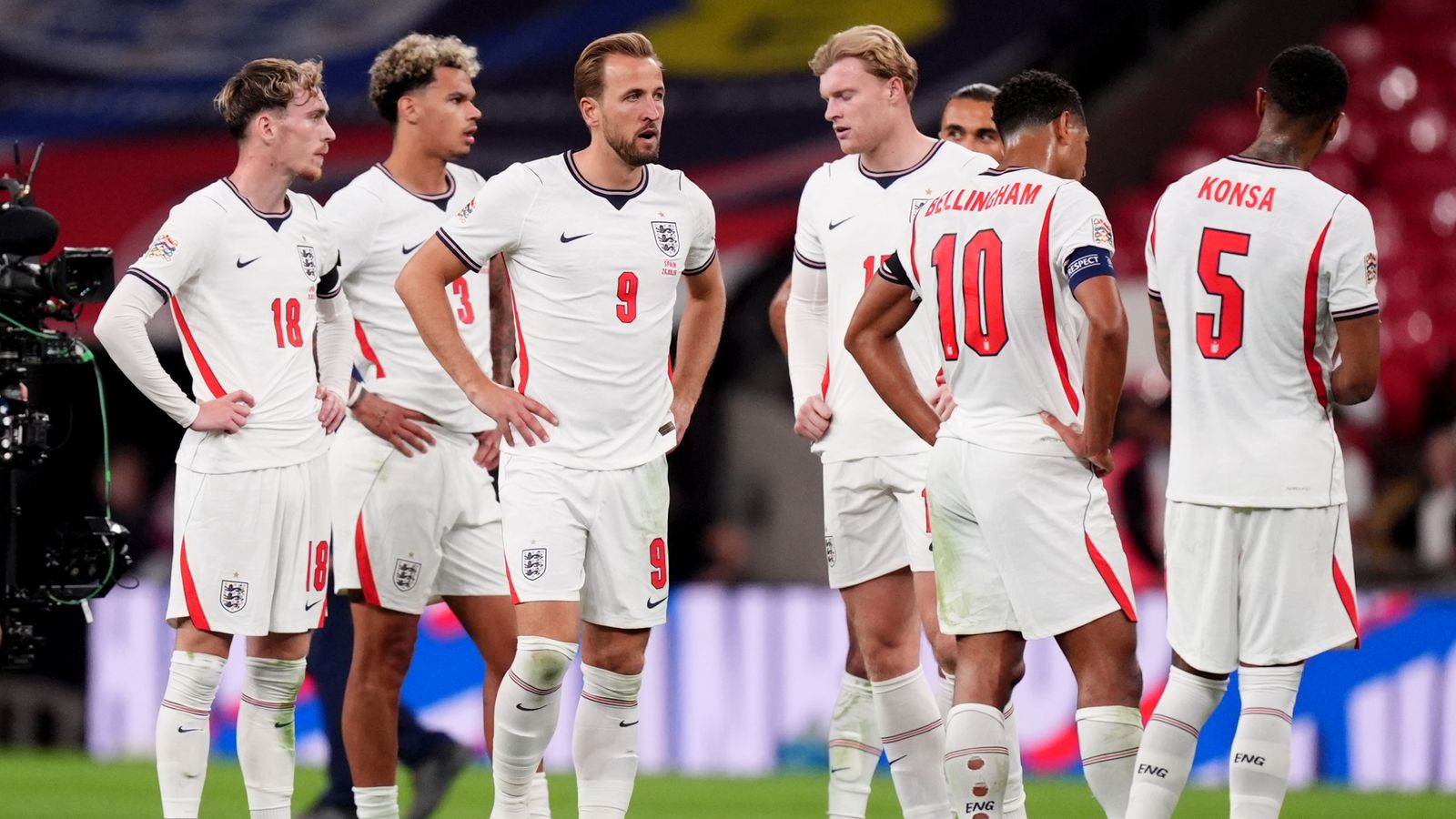
The tactical battle will be decided in the space between England's defensive line and their double pivot. Against Mexico, this gap stretched to over 25 yards at times.
Rice and his midfield partner were constantly pulled out of position. This left the central defenders exposed to direct runners from midfield. If Norway can exploit these same gaps, England will face another long afternoon of defensive scrambling.
Tuchel must fix the spacing between his defensive units. The distance must be kept under 15 yards to prevent vertical passes from penetrating the block. This requires the defensive line to push higher, a risky move given the lack of recovery pace without Quansah.
If England drop deep to protect their slow center-backs, they hand control of the game to Norway. If they press high, they risk being exposed by simple long balls over the top. It is a tactical dilemma that Tuchel has yet to solve.
The lateral movement of England's backline is also a concern. Stones and his potential partners are excellent progressors of the ball, but they struggle when forced to defend in wide areas. Norway's wingers will look to isolate them in one-on-one situations near the touchlines.
This spacing issue is exacerbated by the lack of defensive cohesion. England's center-backs have played together for less than 180 minutes of competitive action. In a World Cup quarter-final, such unfamiliarity is a recipe for disaster.
The Direct Threat and the Second-Ball Battle
Norway's tactical identity is unashamedly vertical. They do not circulate the ball for the sake of possession. Instead, they look to progress the ball into the final third as quickly as possible.
England must prepare for a constant aerial bombardment. Norway's target men will look to win headers and knock the ball down for arriving midfielders. If Rice and partner are slow to react to these second balls, Norway will dominate the edge of the box.
England's defensive midfielders must position themselves intelligently. They cannot afford to chase the ball and leave the space in front of the center-backs empty. Positional discipline will be more valuable than aggressive tackling in this zone.
The physical strain of playing with ten men in the Azteca heat will also play a role. England's players covered an average of 11.8 kilometers against Mexico, significantly higher than their tournament average. Fatigue could lead to late mental lapses and poor decision-making.
Norway will look to exploit this tiredness by playing at a high tempo from the opening whistle. They want to turn the match into a track meet. England must slow the game down and control the tempo to preserve their energy.
The Blueprint for Tactical Order
To survive the physical challenge of Norway, Tuchel must abandon his passive defensive setup. England need to establish control through possession, using short passes to tire out a potentially weakened Norwegian team.
Retaining the ball will limit the number of defensive transitions England have to make. But possession without penetration is useless. The passing must be sharp, vertical, and designed to break the first line of Norway's press.
England's midfielders must also improve their work rate off the ball. They must protect the makeshift defense by blocking the passing lanes to Norway's forwards. This means pressing as a cohesive unit rather than individual chases.
If England continue to defend as separate units, they will be eliminated. The physical toll of the Mexico match will show in the latter stages on Saturday. Tactical discipline, not individual heroism, must carry them through.
Norway's sickness bug might offer England a physical advantage, but relying on opposition misfortune is a dangerous strategy. Tuchel's tactical choices will determine whether England can mask their defensive flaws or if Norway will exploit them to make history.
Read Next
- Can Thomas Tuchel's ten-man solutions stop Erling Haaland in Miami?
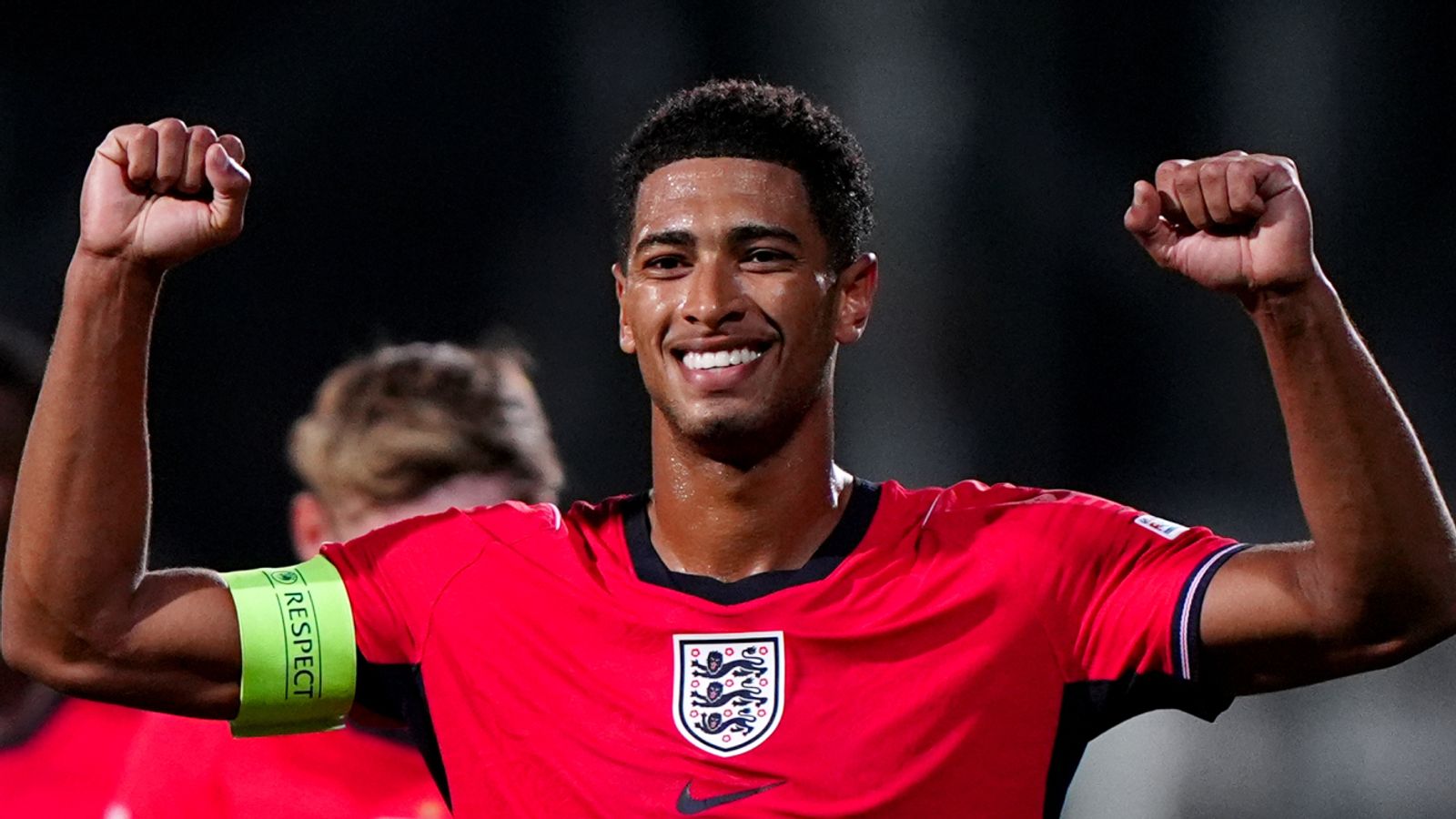
- Why Jude Bellingham will carry England past Norway despite the Quansah red card
- England's talent pipeline has left them vulnerable to Erling Haaland
- England's two-man show is driving fans absolutely insane
- 🏆 World Cup 2026 — Full Coverage Hub
- 🏴 England World Cup 2026 — Three Lions Hub
- 🇳🇴 Norway World Cup 2026 — Can Haaland Lead the Vikings?