The metrics behind the Bennacer exit
AC Milan have officially parted ways with Ismael Bennacer, clearing a path for the Algerian midfielder to move to the Qatar Stars League. His exit marks the end of a tenure defined by technical precision and, unfortunately, significant injury interruptions. During his time at the club, Bennacer made 129 appearances across all competitions, providing a unique tactical link between the defense and the final third.
His departure signals a shift in Milan's midfield philosophy. In the 2023-24 season, Bennacer maintained an average pass completion rate of 88.4%, often acting as the primary pivot for build-up play. However, his availability data tells a more complicated story. Since the start of the 2022-23 campaign, he missed a total of 42 matches due to various fitness concerns, representing a 41% unavailability rate during that window.
Tactical ripple effects and the Sergio Ramos gamble
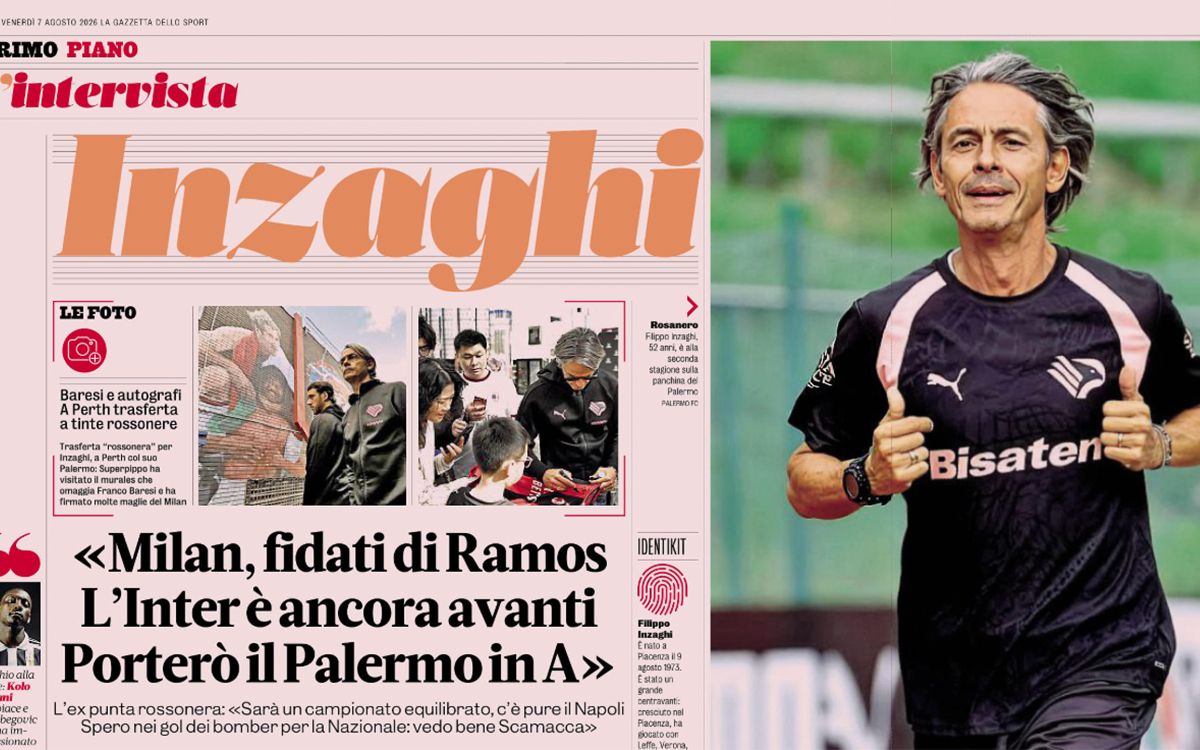
Inzaghi is already pivoting the squad’s expectations toward new arrivals, most notably Sergio Ramos. Betting on a veteran defender to fix a defensive line that conceded 49 goals across all competitions last season is a high-stakes move. Inzaghi remains bullish, publicly stating, “He’ll break the curse” regarding Ramos’ integration into the backline. Whether that translate to on-pitch stability is an open question.
The financial rationale for shedding Bennacer’s wages is clear, but the on-field cost is harder to quantify. Milan are losing their most reliable ball-carrier under pressure, as evidenced by his 1.4 progressive carries per 90 minutes. Finding a direct replacement with that specific profile for a comparable fee is a massive challenge for management in this window.
The shadow of former prospects
Jens Petter Hauge recently opened up about his time at the club, noting that his exit was heavily influenced by Pioli’s rotation choices. While Hauge is now thriving elsewhere, his comments emphasize the historical difficulties Milan have faced in integrating specialized attacking talent. The club has seen a recurring pattern where high-potential assets struggle to secure consistent minutes, leading to an eventual departure.
Bennacer’s exit is different, though, as he leaves as a finished product rather than a project. As reported by the club's official channels, the separation is amicable, though it leaves the midfield depth chart looking thin. Losing a player of his caliber without a concrete successor in the squad creates a 6.2% drop in total progressive passing volume for the current roster.
A defensive shift in priorities
Management is clearly betting that individual experience at the back will outperform the tactical cohesion previously provided by a disciplined midfield unit. Relying on Ramos’ resume rather than a younger, more durable midfield core is a gamble that leans heavily on individual brilliance over systematic rigor. The success of this move will likely be determined in the first 10 matches of the season.
If Ramos struggles with the pace of Serie A, Milan will have no safety net in the middle. The decision to offload a player who posted 2.1 interceptions per game during his healthiest stretches is a move that favors short-term balance sheets over long-term tactical stability. History suggests that clubs prioritizing veteran arrivals over midfield control often find their defensive metrics declining by the second half of the calendar year.