
Antonio Rüdiger and the rare bridge between elite football and human stakes
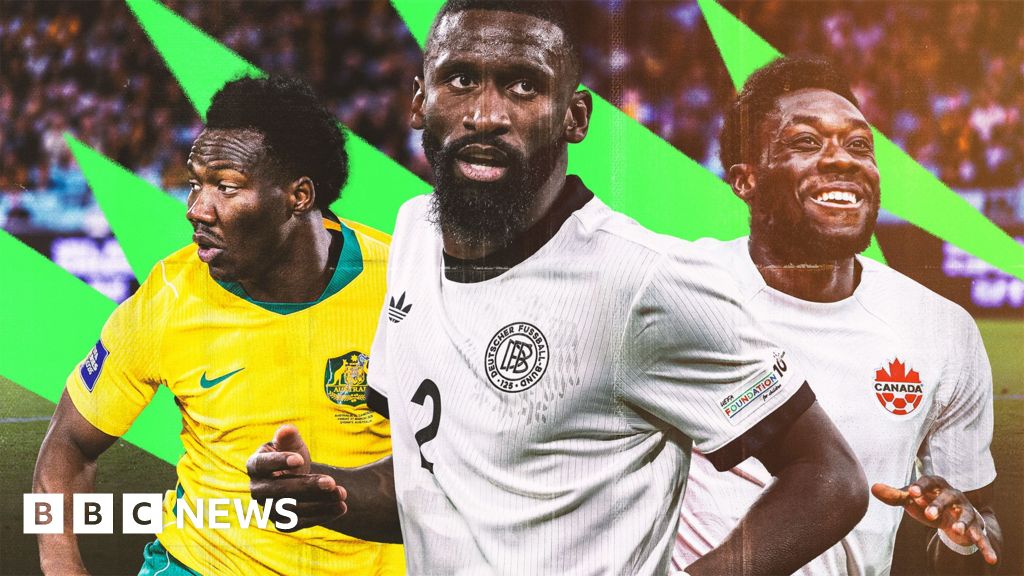
Beyond the defensive line
In the modern game where tactical rigidity often strips players of their personal narratives, Antonio Rüdiger remains an anomaly. While most of his peers occupy themselves with the marginal gains of high-pressing systems or recovery data, Rüdiger is leveraging his visibility to tackle the refugee crisis. His family history, involving a flight from the civil war in Sierra Leone, provides a sharp contrast to the sanitized world of current elite football.
We often treat athletes like high-performance machines. We track their pass completion rates and look for deviations in their heat maps. Yet, when Rüdiger speaks about his brother sheltering in a rice sack, the analytical disconnect becomes quite stark. It forces a pause in the endless churn of transfer sagas and tactical obsession. Whether you are watching him at the Santiago Bernabéu or during the World Cup, the intensity he shows is clearly rooted in something deeper than just professional duty.
Tactical focus versus human reality
Analytically, Rüdiger represents the ideal modern center-back. At Real Madrid, he has refined his role, balancing a ferocious aerial presence with an ability to function in isolated 1v1 situations that are standard for clubs playing high defensive lines. But the technical precision he displays on the pitch is arguably secondary to the platform he has built for social advocacy.
There is a recurring tension within the sport when players step outside the lines to advocate for change. Critics often demand that players stick to their primary roles, yet this assumes sport exists in a vacuum. By positioning himself as a leading voice for displaced peoples, Rüdiger is disrupting that passive expectation. It is statistically infrequent for a defender at his level, arguably in his prime years, to dedicate this much mental energy to global policy and human rights debates.
The burden of the profile
Compare this to the current noise surrounding squad building at clubs like Arsenal, where the pursuit of players like Julian Alvarez and the resulting tactical friction feels like a desperate attempt to find a quick fix for underlying structural issues. The recent frustration in the Gunners' camp over transfer strategy highlights how quickly clubs can get lost in the micro-management of talent while ignoring the broader reality of their surroundings.
Rüdiger provides a blueprint for what happens when someone refuses to be just a tactical asset. His work has gained momentum exactly when the world, and by extension the footballing community, seems to have become more tribal and less receptive to the plight of refugees. His experience with civil war and displacement is not a peripheral detail to his story; it is arguably the defining one.
The cost of silence in football
We are currently witnessing a shift where fans are increasingly demanding transparency about the values of the clubs they support. As Andoni Iraola finds out at Anfield, the pressure to get the squad chemistry right is immense, but the pressure to be a moral anchor is growing even faster. If you look at the recounting of his family's survival, it is easy to understand why he has little interest in the usual guarded rhetoric of a professional athlete.
Rüdiger is not the only player with a complex background, but he is one of the few using the microphone for more than corporate messaging. It remains a critique that so much of the game's wealth and influence remains trapped in a cycle of short-term objectives. By centering his identity on his origins, he disrupts the commodification of the player as a mere tactical piece. This is not just noble; it is a pragmatic challenge to an industry that prefers its stars to stay silent and hit their targets.
Ultimately, the efficiency of a high press or the quality of a diagonal ball matters in the context of a 90-minute match. But when the match ends, most narratives evaporate. Rüdiger’s presence acts as a permanent footnote, ensuring that the human cost of global instability is not entirely absent from our weekend entertainment. He is proving that the most influential players are the ones who can walk the line between the pitch and the real world without sacrificing the intensity of either.
Read Next
- Why Jude Bellingham is the heartbeat of England’s 2026 campaign
- Real Madrid are turning the transfer market into a private shopping spree
- Mbappe remains the lightning rod for France’s tactical headaches
- Emma Hayes is the best pundit on television despite the social media noise
- 🇩🇪 Germany World Cup 2026 — Die Mannschaft Hub
- ⚽ La Liga 2025-26 — Title Race Hub
The Mixer: The Story of Premier League Tactics, from Arte to Guardiola
The must-read deep dive into the modern Premier League.
Frequently Asked Questions
What personal experience drives Antonio Rüdiger's refugee advocacy?
Why is Rüdiger considered an anomaly among elite footballers?
How does Rüdiger balance his football career with his social work?
What does the author contrast with Rüdiger's approach?
How do fans view the intersection of football and social values?
More Coverage

David Gray is hanging by a thread as Hibs prepare to host Aberdeen
22 hours ago
Keith Andrews is right about VAR, but Brentford are walking a tightrope
1 day ago
Leeds United's 4-1 destruction of Newcastle is no fluke
1 day, 11 hours ago
Ruben Amorim needs 15 points in Europe to fix Milan's domestic slump
1 day, 16 hours ago
Why Arsenal's perfect start hides genuine warning signs ahead of Ipswich
1 day, 22 hours ago
Roberto De Zerbi's Tottenham goal drought faces ultimate test at Anfield
2 days, 5 hours agoMore Analysis
Adrenaline: Is Zlatan's Latest Read Worth Your Matchday Coffee Break?
1 month, 2 weeks agoHosting Champions League games in London is a total circus
1 month, 2 weeks ago
The ugly side of the beautiful game needs a reckoning right now
1 month, 3 weeks ago