Emma Hayes is the best pundit on television despite the social media noise
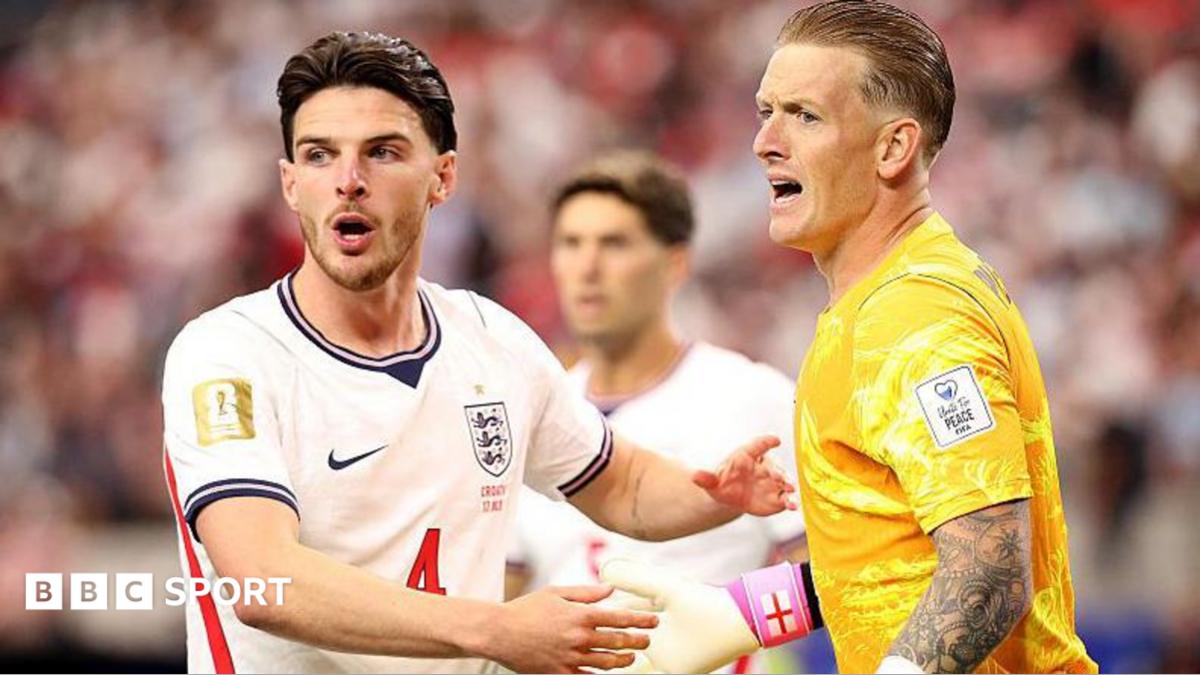
Tactical clarity in a sea of media noise
Television analysis often collapses into a series of predictable cliches designed to fill the dead air between halves. While the industry standard seems to prioritize volume over substance, Emma Hayes has managed to distinguish herself as the most sharp-eyed analyst currently working. Her presence on the ITV panel during recent international tournaments has provided a much-needed injection of actual footballing intelligence.
The criticism directed at her during World Cup hydration breaks is lazy. Whenever a manager uses those specific windows to reorganize, Hayes explains the shifting tactical geometry of the pitch. She identifies the triggers for the press and the structural adjustments teams make to combat them. That individuals on social media choose to mock this level of detail says far more about their lack of interest in the game's nuance than it does about the quality of her contributions.
The shadow of ITV production choices
As reported by the Mirror, the network’s decision to air analysis during these hydration breaks has inadvertently handed a megaphone to the loudest and least informed voices online. It is a technical formatting failure that treats the audience like they cannot handle high-level discourse. When the screen cuts away from the tactical huddle and into a secondary segment, the intent is clearly to distract rather than inform.
Even during the recent England result—a high-scoring 4-2 win over Croatia—the contrast between the quality of the analysis and the quality of the broadcast was jarring. England looked threatening in the final third, yet the defensive issues remained consistent throughout the match. A competent broadcast would have dissected the 4 goals conceded or leaked by the backline, rather than forcing viewers into filler segments that prioritize filler over form.
Why the punditry profession is at a crossroads
We are currently witnessing a divide between the BBC’s classic approach and the more modern, technical style brought by voices like Hayes. The BBC has often leaned on charisma and nostalgic commentary that feels increasingly removed from the reality of modern coaching. By comparison, Hayes looks at a pitch and sees the zones, the pass completion corridors, and the defensive gaps that spectators at home are likely missing.
The data suggests that England's defensive fragility is not a random occurrence but a systemic issue. As analyzed in the recent BBC tactical breakdown, the team's balance is entirely skewed toward the creative phase. If you look at the shot maps from the Croatia match, the space left behind when the fullbacks push forward is glaring. You do not need a notebook to see the opposition exploiting that gap, but you do need an analyst willing to point it out rather than just praising the attacking flair.
The cost of shallow football discourse
The mockery Hayes experiences is a symptom of a larger problem within media coverage. Professional football has evolved into a game decided by fractional improvements in positioning and pressing efficiency. When mainstream broadcasting refuses to engage with this complexity, they alienate the growing segment of the fanbase that actually watches the sport with a critical eye.
Ignoring the flaws in the squad—like the lack of recovery pace in the defensive pivot—is a disservice to the spectator. If the goal of punditry is to improve the viewer's understanding of the event, then the focus should be on the 15th-minute adjustments rather than the flavor of the day. The recent coverage, as noted by Lewis Steele, confirms that the gap between the expert and the broadcaster is widening.
Ultimately, the vitriol directed at her is a deflection. It is easier to attack a woman for speaking about the game's mechanics than it is to admit that the tactical side of football is difficult to grasp. Her analysis remains the most consistent component of an otherwise inconsistent television product. If the industry wants to stop the slide into mediocrity, they should follow the lead of the experts who actually understand how the game is won.
Fisher-Price Little People Collector U.S. Soccer Special Edition Set For Sports Fans, 2 Figures
The cutest way to show your U.S. Soccer pride before the big kickoff.
Frequently Asked Questions
Why is Emma Hayes considered a standout football pundit?
How does ITV's production style affect the quality of football analysis?
What is the primary difference between BBC and modern punditry styles?
Why does the article highlight England's defensive issues?
What causes the negative social media reaction toward Emma Hayes?
More Coverage

David Gray is hanging by a thread as Hibs prepare to host Aberdeen
22 hours ago
Keith Andrews is right about VAR, but Brentford are walking a tightrope
1 day ago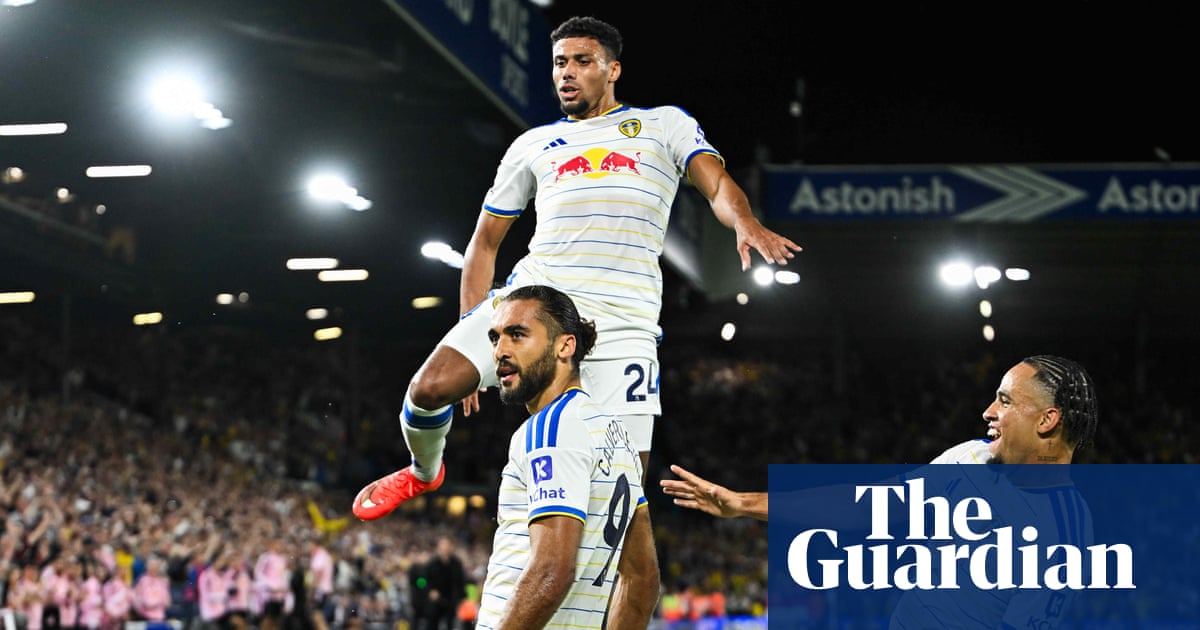
Leeds United's 4-1 destruction of Newcastle is no fluke
1 day, 11 hours ago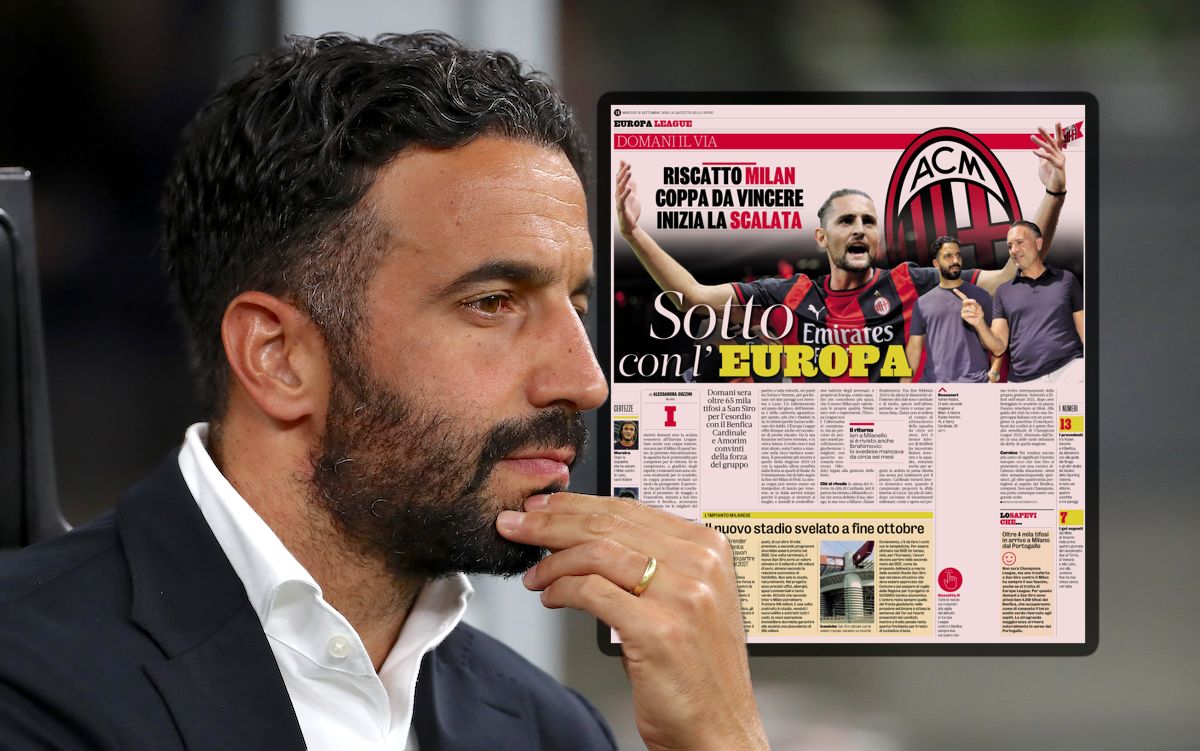
Ruben Amorim needs 15 points in Europe to fix Milan's domestic slump
1 day, 16 hours ago
Why Arsenal's perfect start hides genuine warning signs ahead of Ipswich
1 day, 22 hours ago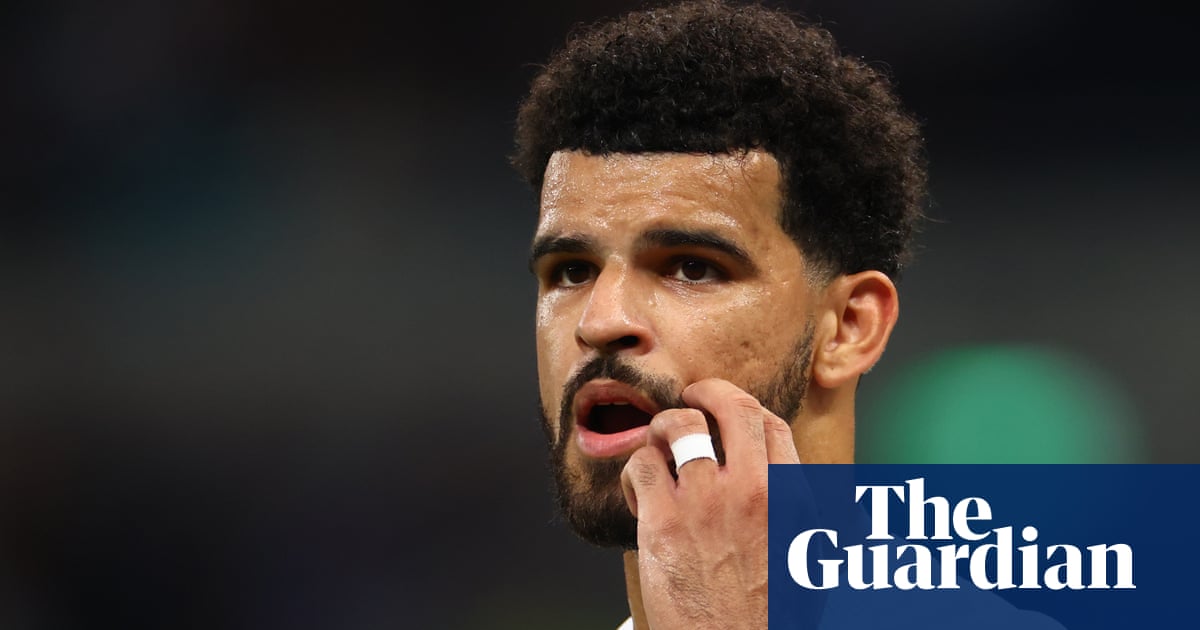
Roberto De Zerbi's Tottenham goal drought faces ultimate test at Anfield
2 days, 5 hours agoMore Analysis
Ivan Toney's Soho brawl is the ultimate self-inflicted disaster
1 month, 1 week ago
Why the internet is losing its mind over Roy Keane in a top hat
1 month, 1 week agoSky Sports has finally jumped the shark with this new punditry campaign
1 month, 2 weeks ago
England U16 hotel fight is a massive embarrassment for the FA
1 month, 3 weeks ago
Pep Guardiola is teasing England fans again and everyone is losing their minds
1 month, 3 weeks ago