
Why the WSL is facing a quiet revolution in the dugout

The mandate that could change the WSL forever
In the sleek, high-pressure world of professional football, the dugout remains one of the final bastions of the old boys' club. While the Women’s Super League has long been heralded as the global gold standard for technical quality and tactical sophistication, a looming shadow from FIFA headquarters in Zurich is set to force a long-overdue conversation about gender parity at the helm. The governing body is reportedly exploring new mandates that would require a significantly higher percentage of female coaches within elite women’s football, a move that could send shockwaves through the English game.
For years, the narrative has been that the best available candidate should always get the job, regardless of gender. It is a meritocratic argument that sounds noble in a boardroom, yet it ignores the systemic barriers that have historically kept women from accumulating the same UEFA Pro License experience as their male counterparts. If FIFA decides to formalize these requirements, the WSL—a league that prides itself on being a trailblazer—will suddenly find itself in a race against time to cultivate a new generation of female tactical masterminds.
The pipeline problem and the glass ceiling
The core of the issue isn't just about hiring; it is about the structural pipeline. When you look at the current WSL landscape, the diversity of the coaching staff is far from representative of the talent on the pitch. We see a recurring cycle of familiar names, often men who have transitioned from the men's game or lower-league coaching roles, filling vacancies at the biggest clubs. This isn't necessarily a critique of their competence, but rather an observation of a closed loop that keeps the doors bolted shut for female coaches looking to break into the top tier.
The game needs to stop treating female coaching talent as an experiment and start treating it as a necessity for the long-term health of the sport.
There is also the matter of the UEFA Pro License—the "gold standard" qualification required to manage in the WSL. Historically, the cost, time commitment, and lack of mentorship have acted as a filter, disproportionately discouraging women from pursuing the highest level of certification. Clubs often cite the lack of "experienced" female candidates when a job opens up, but that experience gap is a direct result of the industry refusing to provide the opportunities that build that very experience.
What the numbers tell us
- Only a small fraction of WSL head coaches are currently women, a stark contrast to the demographic of the players.
- The barrier to entry remains the UEFA Pro License, which currently requires an immense financial and time investment.
- Clubs that have invested in internal development programs are seeing the first fruits of their labor, but it remains the exception rather than the rule.
If FIFA imposes a quota system, the WSL will be forced to shift from passive observation to active recruitment. This would mean more than just offering a job; it would mean creating residency programs, mentorship schemes with established managers, and perhaps even subsidizing the licensing costs for former players who have the tactical acumen but lack the formal accreditation.
The tactical shift
Beyond the politics, there is a compelling tactical argument for increasing female representation in the dugout. The women’s game has evolved at a breakneck speed, with pressing triggers, transition play, and positional flexibility reaching levels that would make Pep Guardiola nod in approval. Some of the most insightful tactical analysis in the game today is coming from coaches who have lived the experience of the women’s game from the inside.
It is arguably the most exciting era in the history of the sport, yet we are still relying on a traditional model of leadership that was designed for a different era. Imagine the impact of a coach who not only understands the nuances of the modern WSL but also brings a lived understanding of the physical and psychological demands uniquely faced by female athletes. This isn't about tokenism; it is about cognitive diversity and tapping into a wealth of knowledge that has been systematically ignored for decades.
Can the clubs adapt in time?
The WSL clubs are currently operating in a high-stakes environment where every point matters, and the pressure to deliver results can make leadership hesitant to take risks on "unproven" candidates. However, the risk of inaction is becoming greater than the risk of change. If FIFA follows through on these proposals, clubs that haven't built a robust internal coaching structure will find themselves scrambling to meet compliance, potentially leading to a talent drain or, worse, a decline in the quality of the product on the pitch.
The solution lies in a collaborative approach. The FA, working alongside the clubs, must treat coaching development as a core pillar of the league’s growth strategy. This means treating the dugout with the same level of investment as the academy or the scouting network. We need to see more clubs like Chelsea or Arsenal—organizations with the resources to set the standard—actively paving the way for their own former players to transition into high-level coaching roles.
The road ahead
- Investment in Education: Subsidizing coaching licenses for current and retired players is the most immediate step.
- Mentorship Programs: Creating formal pathways where assistant coaches can learn under the best in the business.
- Cultural Change: Shifting the internal perception of what a "top-tier manager" looks like within the club hierarchy.
Ultimately, the WSL is at a crossroads. It can either wait for a FIFA mandate to force its hand, or it can lean into the challenge and lead the world once again. The talent is there—it has always been there—but it is currently being stifled by a system that hasn't quite caught up to the ambition of the players on the field. The revolution in the dugout isn't just coming; it is already overdue.
Pep Guardiola: The Evolution by Marti Perarnau
Dive deep into the mind of the Premier League's most tactical mastermind.
Frequently Asked Questions
What is FIFA planning to change in women's football coaching?
Why is the UEFA Pro License a barrier for female coaches?
What is the main cause of the experience gap for female managers?
How does the current WSL coaching landscape look?
What must the WSL do if FIFA implements a quota system?
More Coverage

Top 10: World Football's Biggest Storylines, Scandals, and Shocks of 2026
15 hours ago
Why Man City fans are fighting the entire internet after their guilty verdict
1 day, 12 hours ago
Liverpool pay price for thin squad depth after Vivien Endemann injury
1 day, 22 hours ago
Arsenal's crisis deepens while London City redefine WSL pressing
1 day, 22 hours ago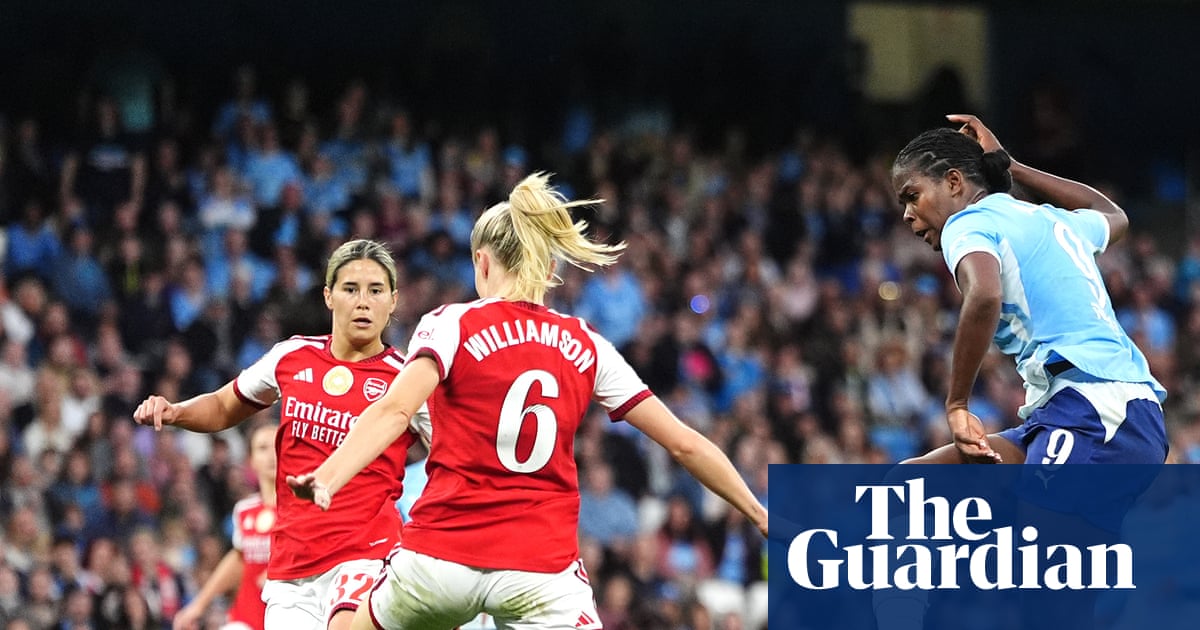
Renée Slegers is running out of time to fix Arsenal's tactical chaos
1 day, 23 hours ago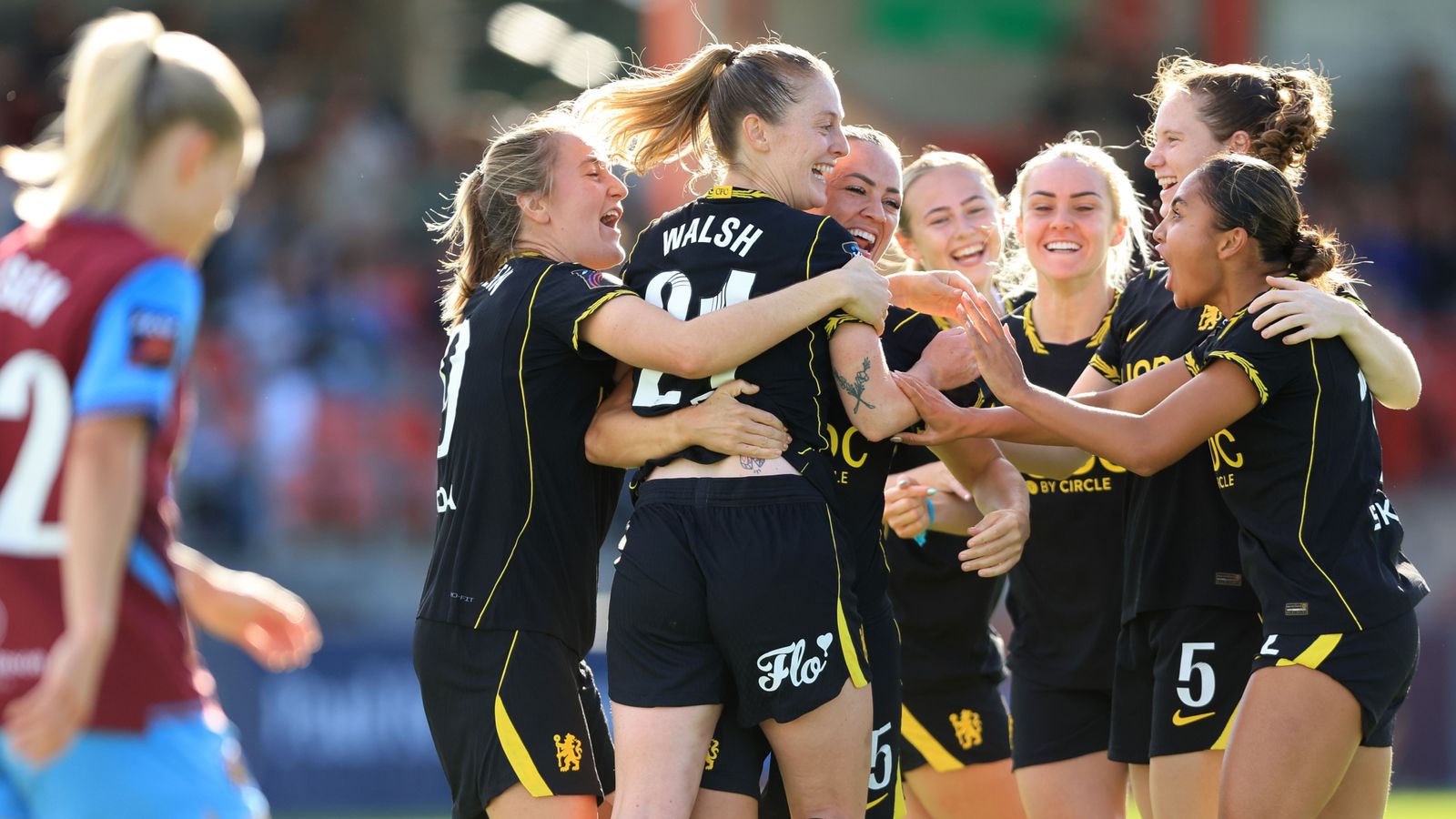
London City's Spurs blowout and Chelsea's win set a fiery WSL pace
2 days, 18 hours agoMore Match Reports
Why Man City fans are fighting the entire internet after their guilty verdict
1 day, 12 hours ago
When even the Swiss abandon you, your FIFA presidency is officially cooked
3 days, 8 hours ago
Premier League's £1.8B EFL peace deal is pure survival panic
1 week, 5 days ago
Gianni Infantino is backing down after his FIFA privatization plan collapsed
2 weeks, 1 day ago
Top 10: Top Moments in FIFA's Governance War
2 weeks, 1 day ago