
Why the opening week of the World Cup feels like a tactical grind
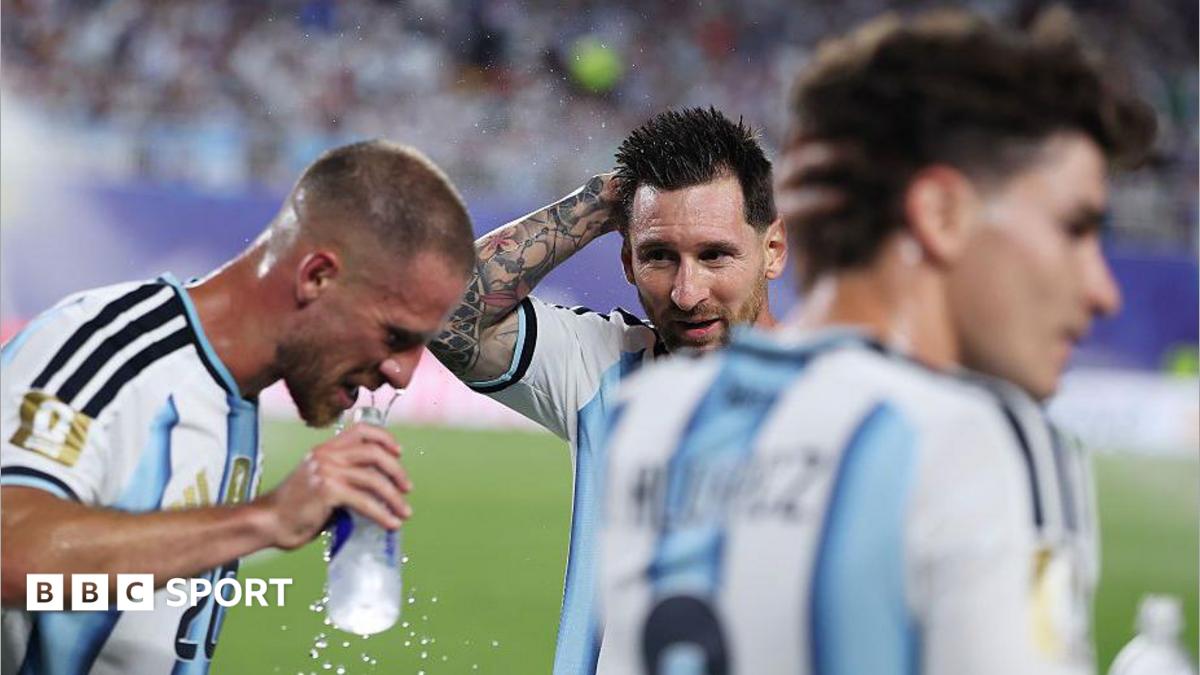
Tactical stagnation in the early group stages
The opening week of the World Cup has been defined by a conservative reluctance that many analysts failed to predict. Watching these matches, one observes a distinct preference for shape retention over progressive verticality. Teams are prioritizing the protection of the half-spaces over the creation of genuine goal-scoring chances.
This is not merely anecdotal. The heat-induced fatigue, which has already sparked memorable hydration breaks and vocal fan frustration, is dictating the tempo. When the temperature spikes, the mid-block becomes the default setting for lower-ranked nations looking to frustrate heavyweights. The result is a series of low-block masterclasses that have reduced some of the tournament’s favorites to aimless possession cycles.
The failure of the high press
Several marquee nations have attempted to implement aggressive high-pressing structures, only to find the humidity dismantling their coordination within twenty minutes. The lung-busting sprints required to squeeze the opponent into errors are simply not sustainable under these conditions. Coaches are failing to adjust their triggers, pushing their defensive lines into midfield, which leaves massive corridors for counter-attacks.
We are seeing defensive lines being caught in the 44th minute, a common trend across the opening fixtures. Without the ability to maintain intensity across a full 90, these teams burn through their physical reserves before the hour mark. The drop-off in pass completion rates for full-backs as they attempt to overlap in the final quarter of these games is statistically damning. It points to a lack of bench depth and inadequate preparation for mid-afternoon kick-offs.
Midfield isolation and the lack of pivots
One structural issue stands out across multiple games: the absence of a true deep-lying pivot against compact defenses. Too often, teams are funneling play through wide areas, hoping crosses from the byline bypass the defensive density. This is a futile tactic when the opposition has stacked the penalty area with three central defenders and two holding midfielders.
The lack of variation is striking. Where is the diagonal passing range required to stretch these low blocks? Without a player capable of hitting the switch in the 65th minute to exploit the shift in defensive focus, the game stagnates. It feels as though sides are waiting for a moment of individual brilliance rather than working to manufacture a tactical overload on the flanks.
Critical lapses and the need for courage
The negative takeaways from these opening games center on the fear of transition. Too many managers are terrified of the counter-attack, choosing to keep six outfield players behind the ball even when chasing a result. This defensive cowardice is actively killing the spectacle.
If nations continue to play for the 0-0 draw, we will be subjected to the most boring group stages in a decade. We need a shift in mentality, specifically an increase in risk-taking between the lines. A team’s ability to shift into a 4-2-4 attacking shape while retaining enough structure to recover is the hallmark of a champion. So far, nobody has shown the requisite tactical bravery to consistently break down the stubborn low blocks we have seen in matches like the recent tournament openers.
Ultimately, tournament football is not about playing around the opposition. It is about forcing the opposition to move until they break. If the tactical stagnation continues, we might witness a tournament decided not by fluid football, but by a handful of set pieces and fatigue-induced errors near the final whistle.
Read Next
adidas Unisex-Adult Tiro League Soccer Ball
Match-ready touch and seamless construction built for weekend pickup games and d
Frequently Asked Questions
Why are World Cup teams using a conservative mid-block?
How does the humidity affect high-pressing tactics?
Why are teams struggling to break down low-block defenses?
What is causing the decline in full-back performance late in games?
How are defensive line trends impacting the opening matches?
More Coverage

David Gray is hanging by a thread as Hibs prepare to host Aberdeen
19 hours ago
Keith Andrews is right about VAR, but Brentford are walking a tightrope
21 hours ago
Leeds United's 4-1 destruction of Newcastle is no fluke
1 day, 8 hours ago
Ruben Amorim needs 15 points in Europe to fix Milan's domestic slump
1 day, 13 hours ago
Why Arsenal's perfect start hides genuine warning signs ahead of Ipswich
1 day, 19 hours ago
Roberto De Zerbi's Tottenham goal drought faces ultimate test at Anfield
2 days, 2 hours agoMore Analysis
Messi's Argentina retirement hurts, but we got the fairytale ending in Qatar
2 weeks, 2 days agoDecoding the Bald Fraud: A Deep Dive into 'Pep Guardiola: The Evolution'
1 month, 1 week ago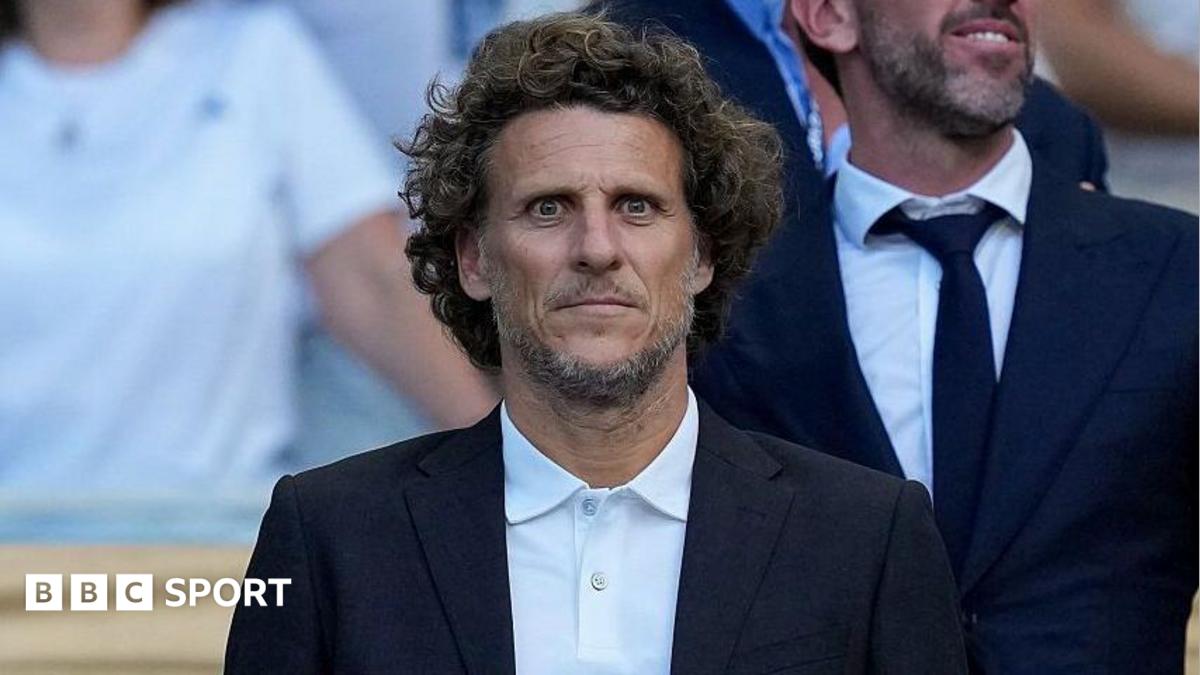
Diego Forlan faces a brutal reality check in the Uruguay dugout
1 month, 1 week ago
FIFA's political civil war threatens to derail the upcoming international calendar
1 month, 1 week ago
Diego Forlan taking the Uruguay job is a tactical gamble
1 month, 1 week ago