The defensive deadlock at this World Cup
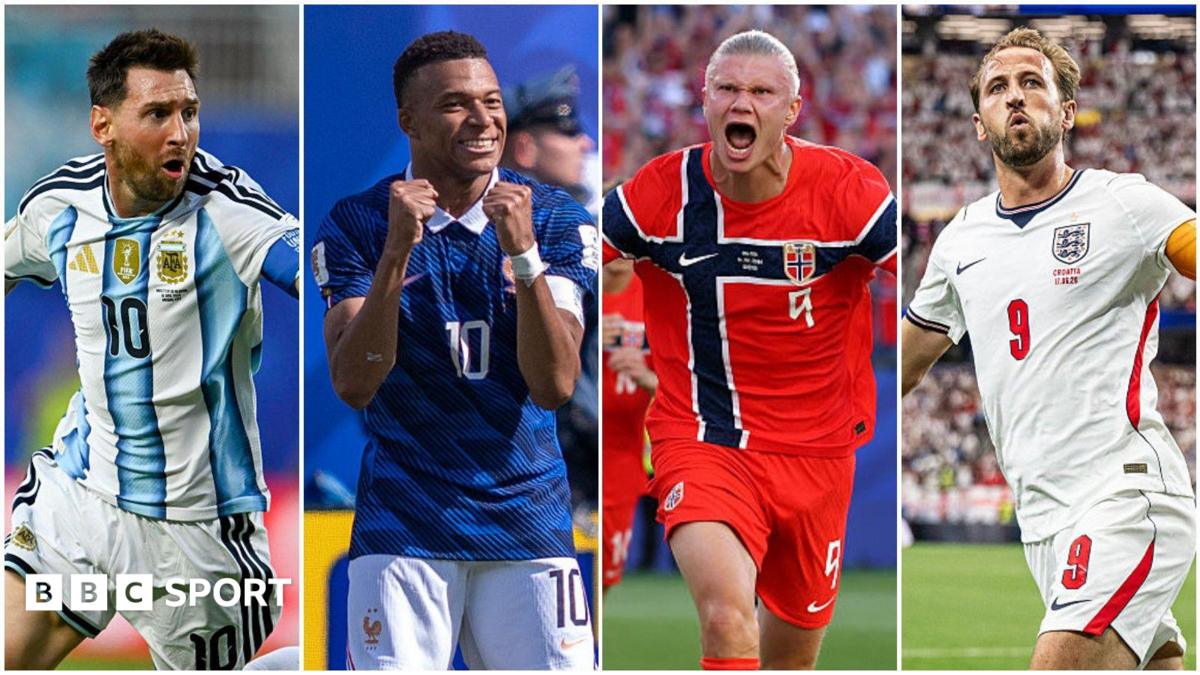
Watching the group stages, one theme emerges: the traditional defensive block is dead. Lionel Messi, Kylian Mbappe, Erling Haaland, and Harry Kane are carving through mid-block setups with ease. According to recent tactical breakdowns, the sheer efficiency of these four players is forcing managers to abandon containment strategies in favor of desperate, high-variance pressing.
The issue isn't a lack of effort from defenders; it is the spatial awareness of these forwards. Mbappe’s acceleration in the half-spaces has rendered standard recovery runs meaningless. If a team plays a high line, they get burned in behind. If they drop deep, they concede space at the edge of the box where Messi now dictates tempo at a 94 percent pass completion rate.
The data behind the lethal quartet
You cannot effectively guard against a team that converts xG at the rate this group is managing. The efficiency gap is jarring. In the match against Tunisia on June 18, Haaland’s touch map showed he operated almost exclusively in the channel between the center-back and fullback. He forced four high-quality chances by forcing the defense to compress horizontally before switching play to the weak side.
However, cracks exist in the armor of these powerhouse squads. Their over-reliance on individual brilliance creates a strange kind of fragility. When the primary playmaker is marked out of the game for 20 minutes, the side lacks a secondary rhythm. We saw this in the opening match where a disciplined double-pivot forced Kane to drop far too deep to receive the ball, essentially killing the team’s attacking threat.
The outcome is inevitable
Tactical nuance is being steamrolled by raw gravity. Defenses are retreating deeper, shrinking the pitch, yet the space between the lines remains a playground for creators. It is a predictable slog where the defensive side prays for a set-piece or a officiating error to stay relevant. My focus is on the tactical shift required to neutralize them: man-marking in the final third has proven to be a strategic disaster.
Prediction remains straightforward because of the sheer output figures. The teams running these stars don't need to play total football for 90 minutes. They only need one lapse in concentration. Look for the result to hinge on high-intensity transition work during which the favorites exploit the tired legs of defensive midfielders in the 75th minute. Barring a catastrophic injury, the path for these strikers is clear through to the semi-finals.
Final tactical note
Expect the defensive units to regress further as the tournament progresses. A defensive line sitting on the edge of the box is not a solution; it is just a slower way to lose. Unless a coach pulls a surprise move—like dragging a defensive midfielder into the back three—the likes of Mbappe and Haaland will continue to dictate the scoreboard. They aren't just outplaying their opponents; they are outmaneuvering the very geometry of the field.
Read Next
- Belgium's tournament hopes hang in the balance after disciplinary collapse
- Spain have finally found their rhythm in Atlanta
- Morocco are the only African team built for a deep 2026 World Cup run
- Quarter-final chaos: why the World Cup favorites are staring into the abyss
- 🏆 World Cup 2026 — Full Coverage Hub

.jpg)