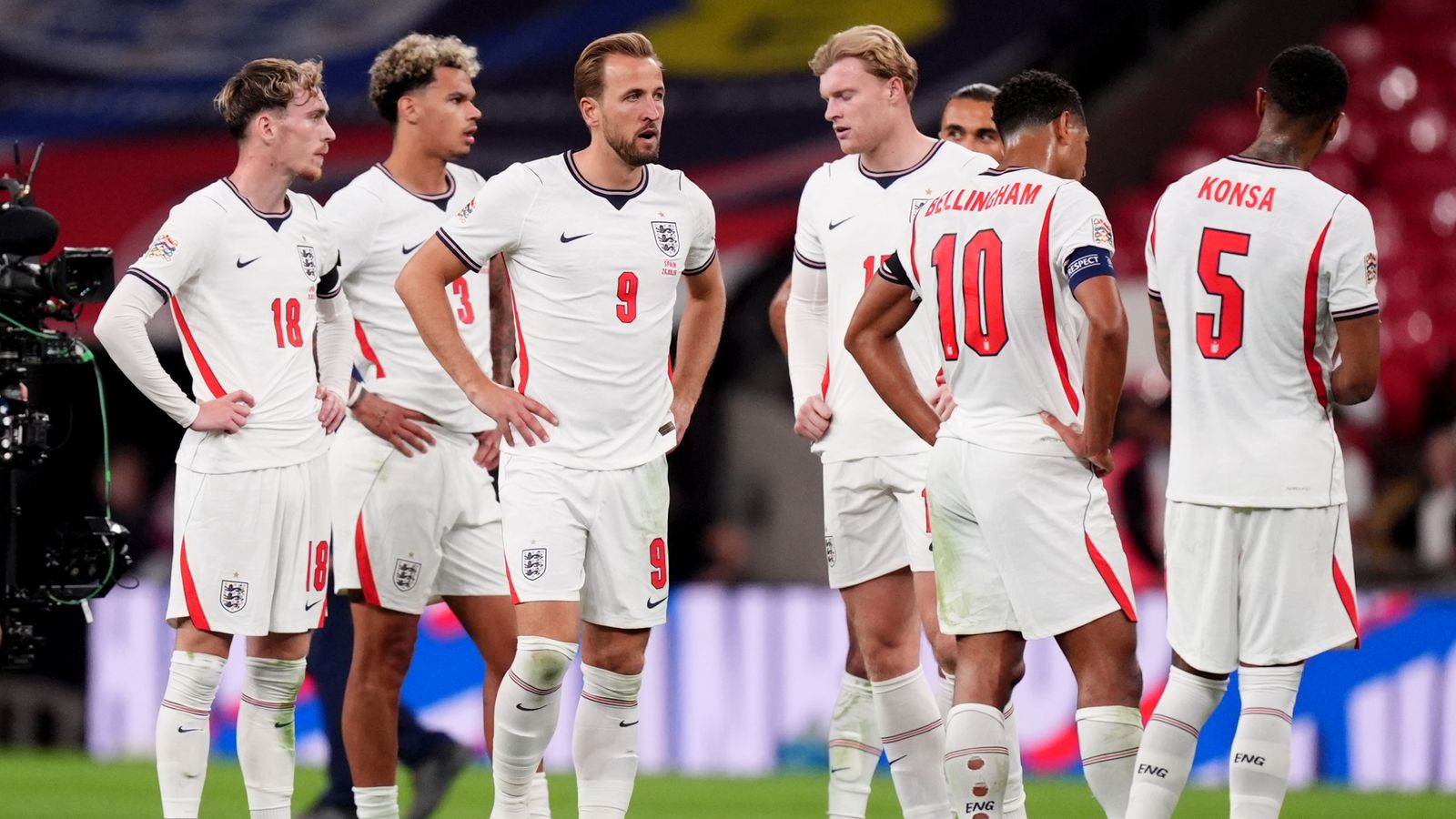
England's semi-final collapse was entirely predictable. Thomas Tuchel did what nervous managers always do under pressure. He retreated.
Taking off Anthony Gordon in the 72nd minute and replacing Declan Rice with Nico O'Reilly in the 82nd minute left Jude Bellingham waving his arms in confusion. England surrendered the center, invited Argentina to press, and paid the price.
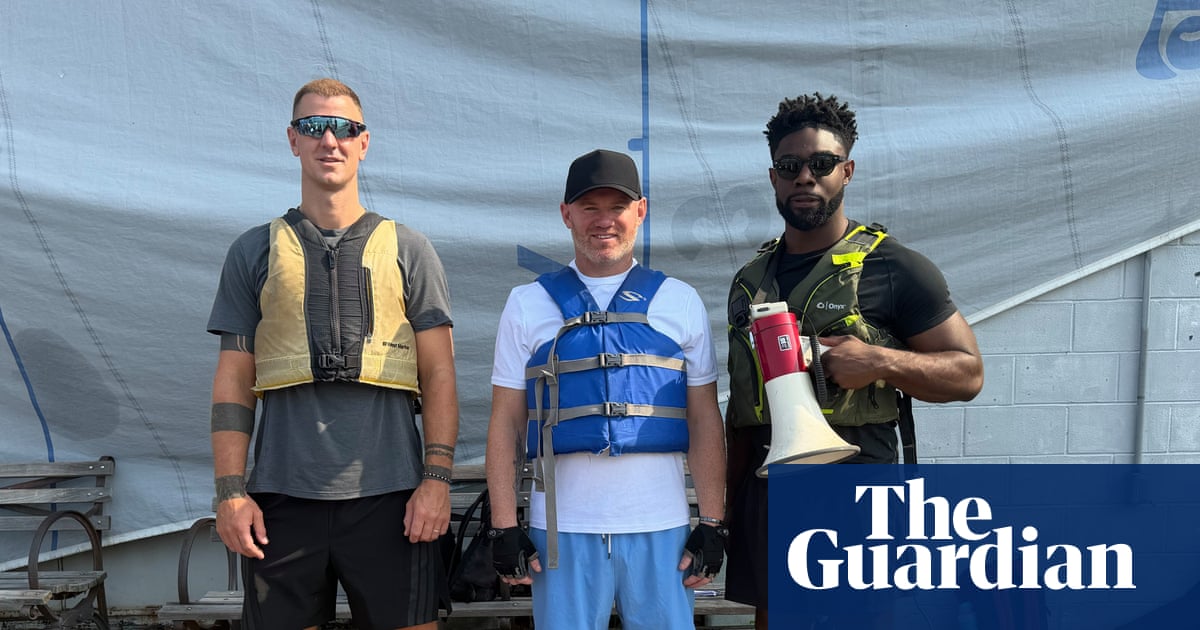
As The Guardian reported, Wayne Rooney, Micah Richards, and Joe Hart spent their morning rowing on the Hudson to pay off a bet. But while Rooney rowed to honor a silly wager about Norway, the real talking point was their fierce critique of England's tactical capitulation.
They criticized Tuchel for giving up the initiative. They were right. By forcing England into a passive low block, Tuchel handed the game to Lionel Scaloni's side, as the pundits debated on their river trip.
Luis de la Fuente will not repeat that mistake in Sunday's final at MetLife Stadium. Spain are designed to attack, and they will not slow down.
The Wide Width Trap
Lionel Scaloni wants a narrow game. He crams the pitch with Enzo Fernandez, Rodrigo De Paul, and Alexis Mac Allister. They block the middle, force sideways passes, and wait for transition opportunities.
Against a narrow opponent, this defensive block is impenetrable. But Spain do not play narrow. Under De la Fuente, they stretch the pitch to its absolute limits.
Lamine Yamal and Nico Williams do not drift inside early in the build-up. They stay pinned to the touchline, stretching the opposition's defensive shape.
This creates a massive spacing dilemma for Argentina's full-backs. Nahuel Molina and Nicolas Tagliafico must decide whether to stay narrow to support their center-backs or go wide to track Spain's wingers.
If they stay narrow, Yamal has time to isolate and drive. If they widen, the half-spaces open up for Pedri and Dani Olmo to make vertical runs.
Yamal has already completed 30 dribbles during this tournament. His 1-on-1 dominance forces defensive cover to shift. Once De Paul drifts wide to help Molina, the central shield dissolves.
This is where Spain's central midfielders exploit the gap. Spain then flood the zone in their 3-2-5 attacking structure. Argentina's midfield will be run ragged trying to cover the horizontal distance.
Choking the Messi Supply Line
Argentina's attack starts when it looks dead. They absorb pressure, win the ball, and look for Lionel Messi.
Messi has scored 8 goals and registered 4 assists in this tournament. His movement is minimal. He walks, finds a pocket of space behind the opponent's midfield, and waits.
When De Paul or Fernandez recovers possession, they immediately feed Messi. This transition trigger is where Argentina destroy teams. They rely on Messi's vision to launch counter-attacks.
But Spain have Rodri. Rodri is the best rest-defense anchor in the world. He does not chase the ball.
He occupies the space Messi wants to fill. When Spain lose the ball, Rodri’s primary task is to eliminate the pass to Messi.
If Messi cannot receive the ball in transition, Argentina are forced to play long to Lautaro Martinez. Martinez is a physical threat, but Pau Cubarsi and Aymeric Laporte can handle direct aerial duels.
Without Messi pulling the strings, Argentina's counter-attack becomes flat and predictable. By isolating Messi, Spain cut the oxygen to Argentina's attack.
The Midfield Stranglehold
The game will be decided in the space between the boxes. Enzo Fernandez and Alexis Mac Allister are elite at playing under pressure. They complete 88% of their passes under opposition contact.
However, Spain's counter-press under De la Fuente is relentless. Pedri and Dani Olmo do not just create; they trigger the press within three seconds of losing possession.
This high-octane pressure will test Argentina’s build-up play. If Mac Allister is forced to receive the ball facing his own goal, Argentina’s transition will stall.
De Paul will be forced to drop deep, leaving Messi isolated upfront. This midfield duel is where Spain's younger, more energetic trio will take control. They have the legs to run Argentina into the turf.
The Vulnerable High Line
Spain are not perfect. Their aggressive press requires a high defensive line. This leaves green grass behind Laporte and Cubarsi.
In the semi-final against France, Spain won 2-0 but conceded three clear transition chances. Only poor finishing from Kylian Mbappe spared them.
Argentina have the quality to exploit this. Julian Alvarez's diagonal runs from out-to-in will target the space behind Pedro Porro. If Porro pushes too high, Alvarez will run into the channel.
Furthermore, Unai Simon remains a liability under pressure. His pass completion under press drops by 20% compared to his clean distribution.
If Argentina trigger an aggressive press early, Simon will cough up possession. This is where Argentina can strike.
Messi needs only one second of panic to slide a ball through. We saw this in the 85th minute against England, when he assisted Enzo Fernandez. Spain must maintain flawless defensive discipline.
One bad pass from Simon could ruin Spain's tournament.
The New Jersey Verdict
This final will not go to penalties. Spain's structural advantages are too pronounced.
De la Fuente's 3-2-5 structure will dominate the ball, pinning Argentina in their own half. While Scaloni will try to shift to a back five to match Spain's width, he lacks the defensive pace on the bench to sustain it.
Spain will choke Argentina's central progression. They will stretch the pitch, create the 1-on-1 situations Yamal thrives on, and wear Argentina down.
We will see a tense first half, but Spain's physical superiority will show after the break. Expect Spain to lift the trophy with a 2-1 victory.
The era of Spanish dominance is back. Argentina's aging squad will simply run out of steam at MetLife Stadium.
Read Next
- Donald Trump is right about Harry Kane and England's semi-final disaster
- Thirty-seven million reasons England will lose their heads again
- Fifa is playing with fire while the World Cup burns
- Boro are ready to expose Martin O'Neill's thin Celtic squad at Celtic Park
- 🏆 World Cup 2026 — Full Coverage Hub
- 🇦🇷 Argentina World Cup 2026 — Defending Champions Hub
- 🇪🇸 Spain World Cup 2026 — La Roja Hub