Modern defensive transition is won in the first steps after possession changes. For Ruben Amorim, that window is defined by a single metric: the team must win the ball back within five to eight seconds. Last season, Milan’s defensive posture was reactive, dropping into a deep block that allowed opponents to dictate tempo.
The statistics from the 2025–26 campaign showed a team defending in its own third, averaging a low block that invited pressure. Amorim’s arrival on Monday changes the math entirely. The tactical blueprint he brings from Lisbon and Manchester requires a complete shift in player profiles and economic valuation.
No longer will Milan wait for the opponent to make a mistake. The press will be aggressive, high, and synchronised. It is a system built on intensity, where players make split-second decisions under physical pressure.
The numbers behind the squad must now match the tactical realities on the pitch. Every profile must justify its place on the balance sheet.
The Mechanics of the High Press
To implement this forward-pressing style, training methods at Milanello are undergoing a total overhaul. Sessions will rarely exceed 90 minutes, but the physical exertion will be intense. The focus shifts from dry running to tactical drills using smaller sections of the pitch to replicate tight match situations.
Amorim's build-up play starts with a back three handling the ball cleanly. The defenders and two central midfielders are restricted to a maximum of two touches per possession. The goal is to move the ball quickly, funnelling the opponent's circulation toward the sideline before cutting off passing lanes.
If a defender delays their forward movement by even a fraction of a second, the gaps between the lines widen. This reactive movement was a constant issue in Milan's previous seasons. Under Amorim's new tactical guidelines, practice matches will only allow scoring after possession is won back through pressing.
The Jashari Investment and Modric's Shadow
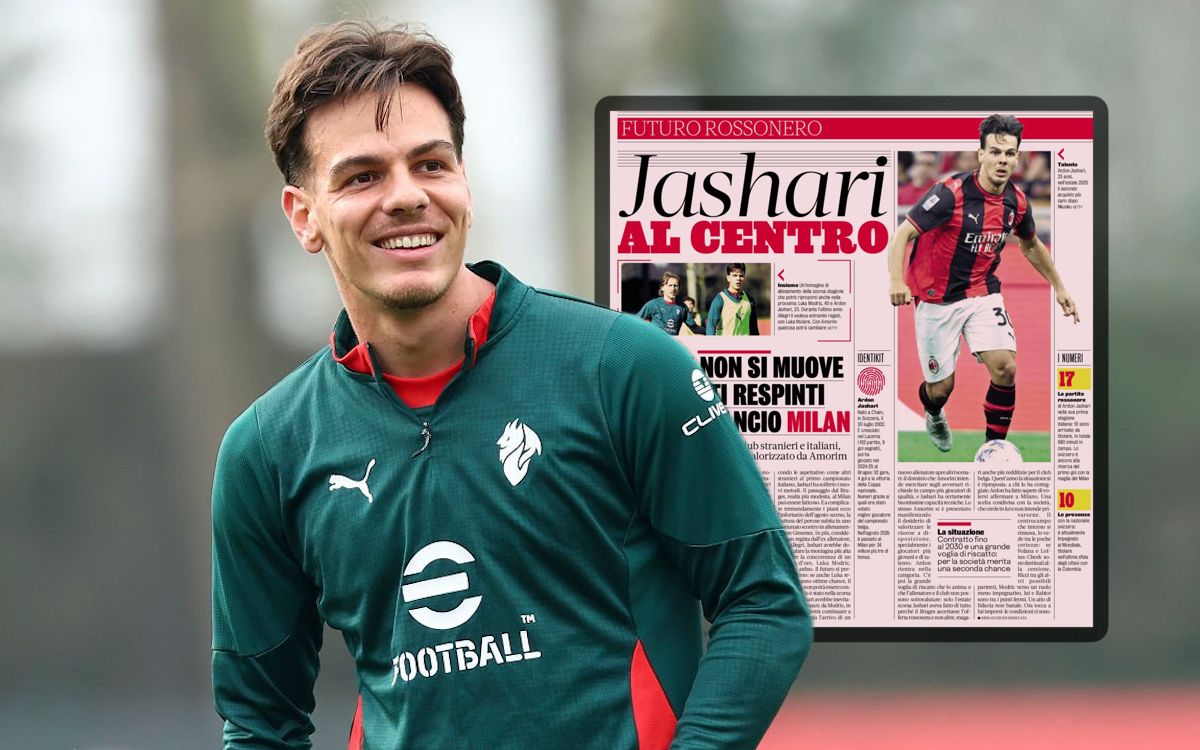
At the center of this structural shift is Ardon Jashari. Milan invested €34 million plus bonuses to sign him from Club Brugge just 11 months ago, making him the club's second most expensive signing of that summer. His debut season, however, was derailed before it could begin.
A fractured fibula suffered in August during a training collision with Santiago Giménez sidelined him. When he returned, Jashari found himself fighting for minutes in a congested midfield. Former manager Massimiliano Allegri deployed him as a deep playmaker, forcing him to compete directly with Luka Modric.
Despite these setbacks, the Swiss midfielder has shown his quality on the international stage. Switzerland manager Murat Yakin started the 23-year-old in the World Cup Round of 16 clash against Colombia. That tournament experience has reinforced his value, and Milan have no intention of listening to enquiries.
With Youssouf Fofana and Ruben Loftus-Cheek put up for sale, and Samuele Ricci also linked with a departure, Jashari’s role is set to expand. Modric is expected to transition into a less demanding role. This leaves Jashari and Adrien Rabiot as the key fixtures in the double pivot of Amorim's 3-4-3.
Jashari's desire to succeed at San Siro is a deciding factor. Last summer, he rejected more lucrative offers to push through his move to Milan, and the midfielder's stance remains unchanged today. His technical skill and ability to play under pressure make him a natural fit for the two-touch restriction in build-up.
The Capital Gain Equation at Continassa
To fund reinforcements, Milan must look at their own balance sheet, where Fikayo Tomori represents a significant financial opportunity. The English defender has a net salary of €3.5m, which translates to €4.55m gross. His contract is set to expire in 2027, leaving Milan with a dwindling window to secure his value.
Tomori's residual book value is just over €7m. Selling him now would generate a substantial capital gain for the Rossoneri. The signing of Mario Gila, who is locked down until 2031, has already reduced Tomori's projected minutes under Amorim, prompting a renewal of the Tomori transfer discussions with Juventus.
Juventus and their coach Luciano Spalletti are monitoring the situation closely. Spalletti wants a quick, aggressive defender who is comfortable playing in a high defensive line. Juventus must sell before they can buy, and Federico Gatti is the prime candidate to make way.
Gatti is valued at €20 million by the Bianconeri, but he currently sits behind Bremer in Spalletti's pecking order. With a net salary of €3m net year until 2030 and a residual book value of just €4m, Gatti's sale would represent a massive capital gain. Massimiliano Allegri admires Gatti, and Napoli, under De Laurentiis, are reportedly interested.
If Juventus execute Gatti's sale, they plan to immediately move for Tomori. Milan would then turn their attention to Goncalo Inacio as a left-footed replacement. Juventus are also keeping other options open, including a potential loan for Bayern Munich's Joao Palhinha.
Palhinha is returning to Bayern after Tottenham chose not to trigger his purchase option, preferring Sandro Tonali instead. Vincent Kompany has approved Palhinha's departure, and a loan formula has attracted interest from both Milan and Juventus. However, Palhinha's limited ability on the ball remains a tactical concern for Amorim.
The Catanzaro Precedent and Academy Lockdown
Off the pitch, Gerry Cardinale has issued a clear directive to the management: 'Never again another Liberali.' The attacking midfielder left Milan last summer to join Catanzaro in Serie B, with the club retaining a 50% sell-on clause. After an impressive season, Milan tried to trigger his buy-back clause.
The clause was set at €6m, which Milan could have halved to €3m due to their sell-on agreement. Liberali, however, rejected the return, choosing instead to sign with Como. To prevent a repeat, Milan are moving quickly to secure their current academy graduates.
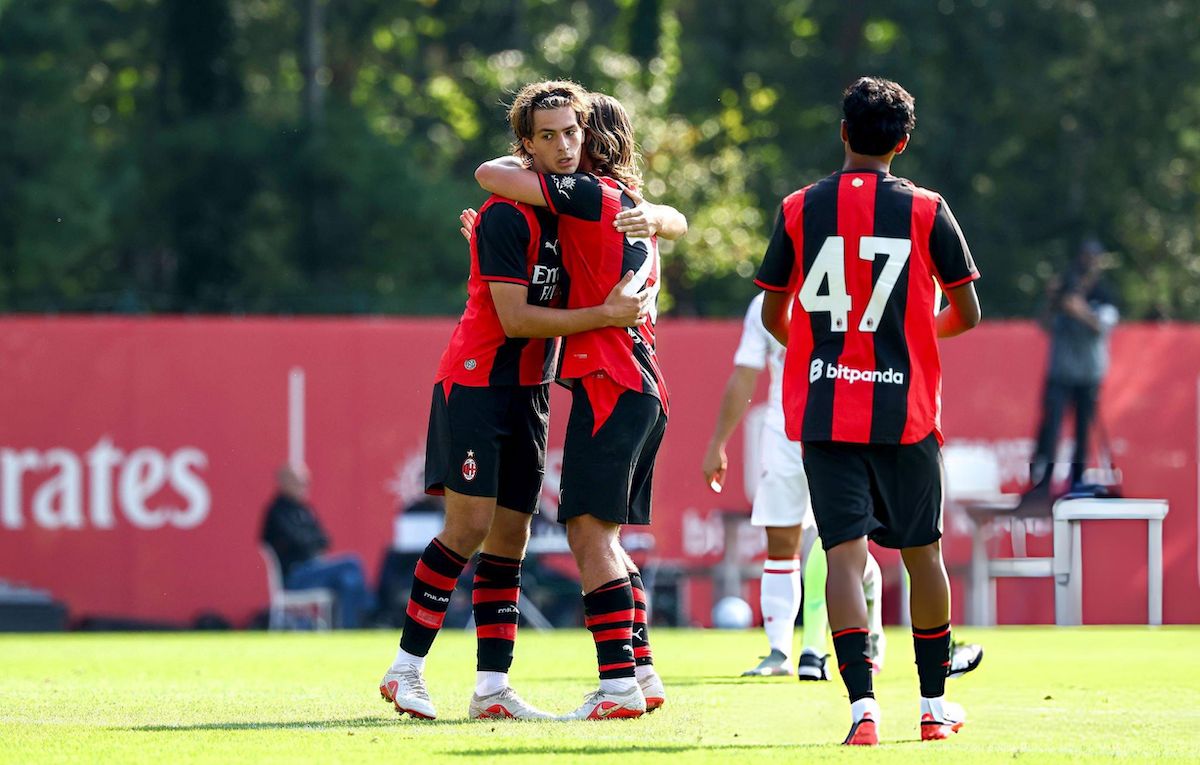
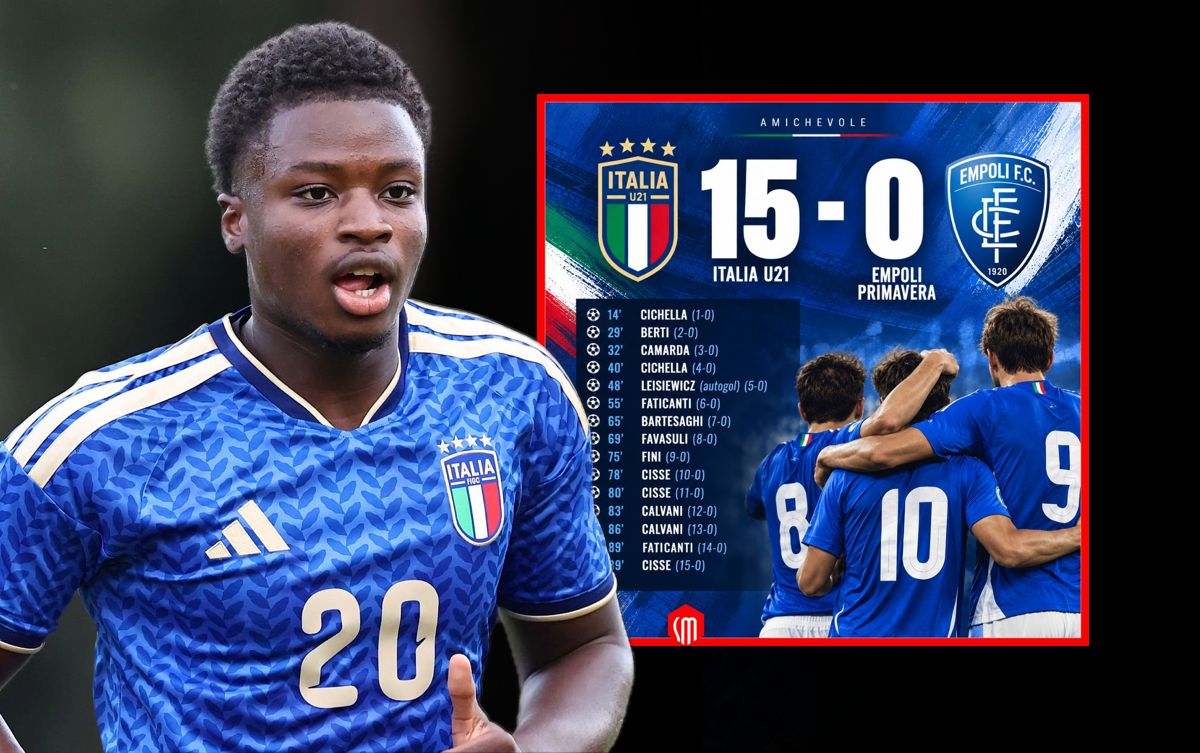
Francesco Camarda is returning from a loan spell at Lecce. The young striker struggled for consistency in Salento, hampered by physical issues and Lecce's defensive style of play. Still, Amorim intends to evaluate him during the pre-season training camp.
Kevin Zeroli is also under evaluation. The midfielder split last season between Monza and Juve Stabia, finding his form under Ignazio Abate in Serie B. Zeroli made 11 appearances and scored 2 goals in the second half of the campaign, proving his readiness for first-team football.
Christian Comotto is the third academy player Milan wants to protect. The midfielder made 30 appearances for Spezia across Serie B and the Coppa Italia last season. While his contract runs until 2028, Milan are already working on an extension to ensure he does not follow Liberali's path.
Amorim will assess all three players at Milanello before making a decision. The club’s position is firm: none of these young talents will be sold permanently. If they leave, it will only be on loan to continue their development under controlled conditions.
The financial and tactical structure of Milan is being rebuilt from the ground up. Amorim's arrival has forced a reassessment of every player's value, from expensive signings like Jashari to home-grown prospects. The era of passive defending and lost talent is over.
Read Next
- Why Mario Gila is the exact defensive profile Milan needed
- Why Mario Gila represents a high-stakes gamble for Milan's backline
- AC Milan is gambling big on Mario Gila and the math is ugly
- Bournemouth are desperately trying to sweep the Alex Jimenez mess under the rug
- 🇽🇰 Kosovo at the 2026 World Cup — Full Coverage Hub