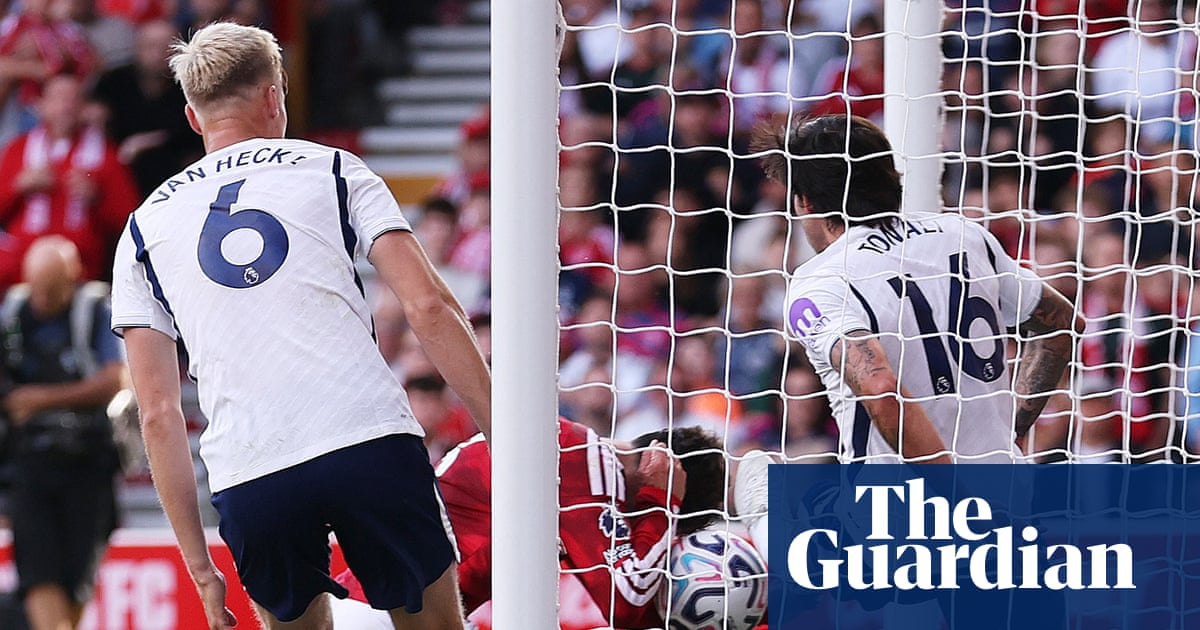
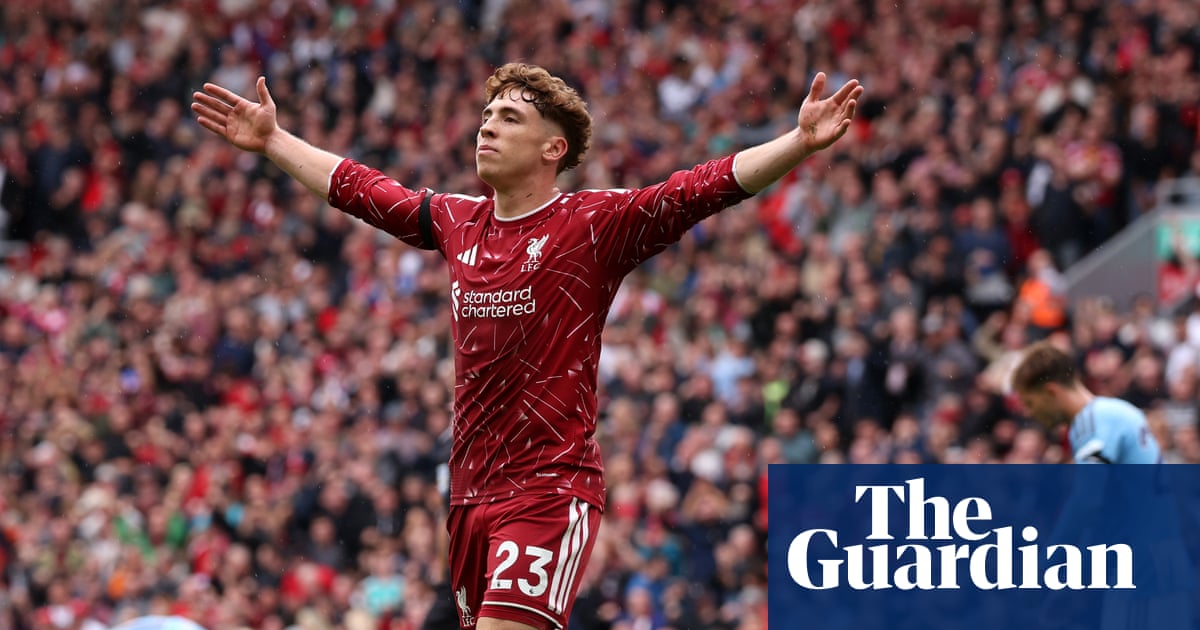
The Glasner arrival at the City Ground
Nottingham Forest landing Xaver Schlager as their first major signing since Oliver Glasner took the reins is a bold statement of intent. The Austrian playmaker brings a specific engine room intensity, but the structural transition at Forest is proving to be a jagged process. Watching their pre-season buildup, it is clear the Forest transfer activity is mirroring a desire to move away from the chaotic counter-pressing of the last eighteen months toward a more disciplined possession game.
Schlager averaged 6.2 ball recoveries per game during his peak Bundesliga stretches, an elite metric for a central midfielder tasked with breaking lines. However, Forest’s current back three often suffers from a lack of horizontal coverage. If Glasner persists with a high line while lacking a true defensive anchor alongside Schlager, teams with pace will carve them open with ease on the transition.
The central midfield conundrum
The core issue remains the bridge between the defensive line and the wide outlets. In the previous campaign, Forest relied on verticality for survival; under Glasner, they are asking for structural patience that the current squad profile fails to support. The data shows a disconnect: when the team drops into a mid-block, they surrender an average of 1.4 xG per 90 minutes. That is simply unsustainable for a mid-table finish.
The reliance on wing-backs to provide width creates massive isolation for the central pairing. Unless Glasner adjusts his pressing triggers—specifically by limiting the opposition’s ability to bypass the first phase—they will leak goals against well-drilled sides. Schlager is quality, but he is one man in a system currently crying out for a disciplined ball-winner to sit in the 6 role.
Predicting the early season struggle
I am expecting a sluggish start for the East Midlands outfit. While the technical ceiling of the starting XI has risen, the defensive chemistry is nowhere near functional. You can see the frustration in the defensive positioning during transition, where the gap between the midfield and the center-backs has widened by nearly four meters compared to this stage last year.
My prediction for the opening five matchdays is a modest 5 points. They will likely secure a narrow win against a struggling bottom-three opponent, but the lack of defensive cohesion will see them drop points in high-scoring draws against mid-tier teams who exploit the space high up the pitch. The board expectation of a European push is overly ambitious given the current squad turnover.
- Defensive line speed remains a critical vulnerability.
- Schlager needs an elite partner to maintain structural integrity.
- Possession metrics have improved, but conversion rates are stagnant at 8.4%.
Glasner’s reputation as a tactical innovator is well-earned, but he has inherited a group built for speed, not precision. Without further investment in a stable defensive pivot, this project is headed for a mid-table slog. The reality of the Premier League is that you cannot learn to control games while simultaneously discarding the defensive baseline that kept you afloat in the first place.