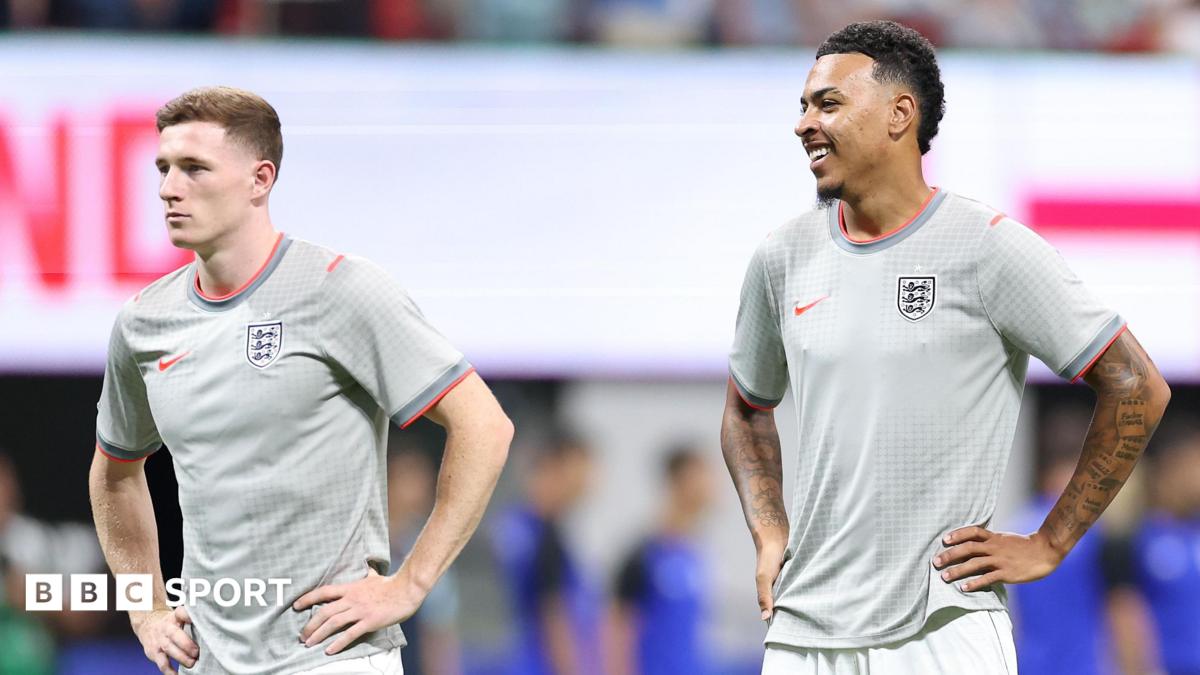
The £70m illusion: Carrying vs. Dictating
When Nottingham Forest and Aston Villa drop headline fees for Elliot Anderson and Morgan Rogers, the recruitment narrative writes itself. You get young, home-grown English central midfielders with massive physical engines, ready to burst through low blocks. But look closer at the tracking data from late last season and the pattern becomes uncomfortably clear.
Anderson completed just 1.4 progressive passes per 90 during his stretch runs, relying heavily on driving carries to gain territory rather than unlocking defensive structures with vision. Rogers offers similar ball-carrying burst in the half-spaces, yet averaged a modest 74.2% pass completion rate under pressure when operating in tight central channels. That is not the profile of a controller who sets the tempo of a European match; it is the profile of a high-energy transition engine.
Paying premium money for midfield carrying while ignoring ball retention in tight spaces is a classic Premier League trap. Clubs are spending champions-league money on players whose dominant trait is running past tired legs in open field counter-attacks.
The pressing trigger flaw
Modern mid-blocks eat pure runners alive once opposition analysts get five games of footage. When Rogers faced top-four opposition in the spring, his progressive carrying distance dropped by 42% per game because defensive lines simply dropped three yards back and forced him to make horizontal decisions.
Without an elite first touch or quick diagonal switches, these record-breaking midfield transfers turn into expensive dead ends during structured possession. Anderson's defensive work rate remains undeniably high — averaging 2.8 successful tackles per 90 — but playing as a box-to-box destroyer while carrying a marquee price tag puts immense strain on team structure when possession breaks down.
The current market values raw athletic potential and domestic status above technical press-resistance. We have seen this movie before, and it rarely ends with silverware.
The 2026/27 Reality Check
Here is the hard truth: neither of these record transfers will rank in the top 10 for midfielder chance creation by May. While both players bring elite enthusiasm and physical presence, elite teams win matches by breaking 10-man blocks through surgical passing lanes, not straight-line sprints.
Expect both Forest and Villa to struggle for control in heavy possession matches, forcing their managers to re-introduce experienced controllers by November. The market hype around English midfield dynamism has officially outpaced tactical utility.