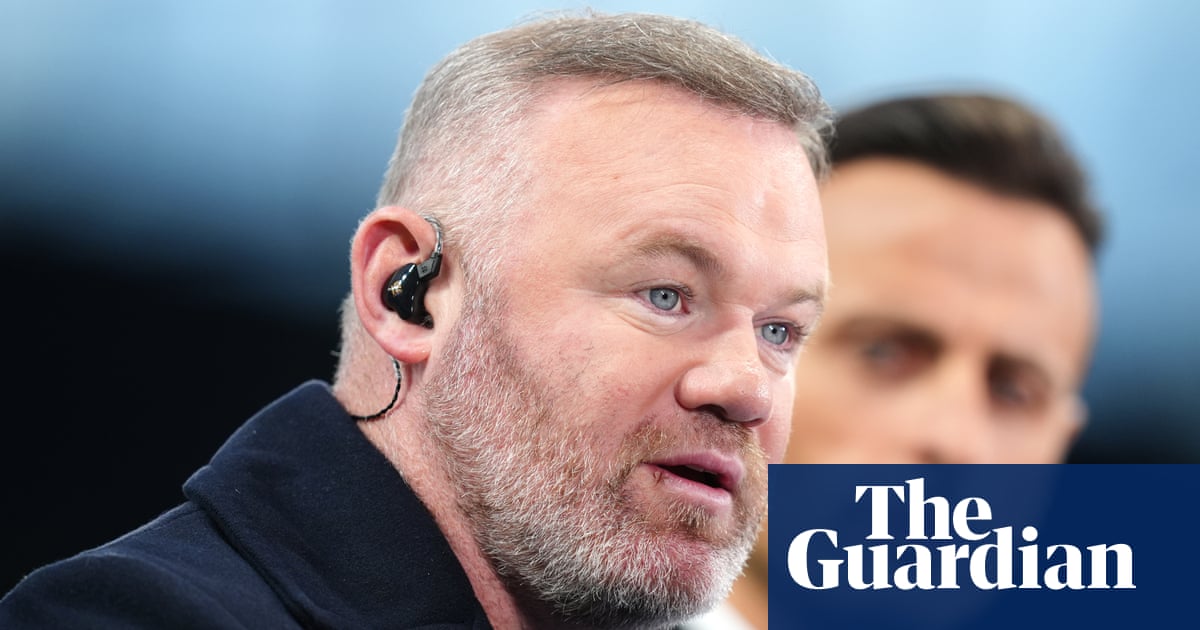
In the 2025/26 Premier League season, Ezri Konsa was dribbled past only 4 times in 3,036 minutes of football. That is one dribble-past every 759 minutes. For comparison, William Saliba was bypassed 6 times in 31 appearances, and Gabriel Magalhães 8 times. The English defender has quietly built a reputation as one of the most stubborn one-on-one markers in Europe.
As reported on the Sky Sports live blog, Arsenal have registered concrete interest in bringing the Aston Villa defender to North London. This is not a panic move to replace a failing starter. Mikel Arteta is looking to build tactical redundancy, seeking a player who can step into multiple defensive roles without dropping the team's floor.
Arteta's system demands absolute security when building from the back. The drop-off when Saliba or Gabriel is rested has previously derailed Arsenal's title charges. In Konsa, Arteta sees a player who matches the physical profile of his elite central defenders while offering the versatility of a modern fullback.
Let us examine the data behind this potential move. The goal is to see if Konsa's output justifies the fee Villa will demand. We must look at the passing numbers, the positional heatmaps, and the defensive duel splits.
The Ball-Retention Machine
Composure Under Pressure
Under Unai Emery, Aston Villa have developed a highly structured build-up phase that relies on baiting the opponent's press. Konsa is central to this mechanism. During the 2024/25 campaign, he recorded a pass completion rate of 91.8%, placing him in the 88th percentile for central defenders who rarely force the ball into crowded channels.
This composure was visible in Villa's Champions League match against Bayern Munich in October 2024. In the 64th minute, Kingsley Coman tried to trap Konsa near the touchline. Instead of launching a blind clearance, Konsa used a subtle body feint to bypass the pressing line and find a teammate. This is exactly what Arteta demands from his build-up players.
In the 2025/26 season, Konsa completed 1,942 of his 2,120 attempted short and medium passes. He acts as a recycling station rather than an aggressive playmaker. This is a counterintuitive finding for those expecting a modern ball-playing defender to rack up progressive yards; he secures possession rather than forcing verticality.
Let's look at his progressive distance statistics. In 2025/26, Konsa averaged only 142 progressive passing yards per 90 minutes compared to Saliba's 245 yards and Gabriel's 198 yards. His role is to minimize risk, not to launch attacks.
Comparing the Build-Up Profiles
To understand Konsa's fit, we must compare him directly with Arsenal's current starters. Gabriel Magalhães operates with a pass completion rate of 89.5%, often taking riskier vertical options, whereas Saliba sits at 92.5% with more long-range switches. Konsa offers a middle ground, combining Saliba's high completion rate with Gabriel's defensive positioning.
Here is how the three defenders compared during the 2025/26 league campaign:
- William Saliba: 92.5% pass completion, 4.2 progressive passes per 90, 0.19 dribbled past per 90
- Gabriel Magalhães: 89.5% pass completion, 2.8 progressive passes per 90, 0.24 dribbled past per 90
- Ezri Konsa: 91.6% pass completion, 1.9 progressive passes per 90, 0.12 dribbled past per 90
The numbers show that Konsa is a low-risk passer. He is designed to keep the ball moving rather than split defenses. If he replaces Gabriel or Saliba, the build-up will become more patient, relying heavily on midfielders to break lines.
This lack of progressive passing is a double-edged sword. While it keeps turnovers low, it places more creative burden on the holding midfielder. Declan Rice or Thomas Partey would have to drop deeper, which could slow Arsenal's overall speed of attack.
The Hybrid Right-Back Profile
Challenging the Ben White Monopoly
Arteta's tactical evolution has seen Arsenal use hybrid defenders who can transition from fullback to centre-back. Ben White started 33 league games in 2025/26, but his ground duel success rate was a modest 53.4%. When fatigue sets in, the right side of Arsenal's defense becomes vulnerable.
Konsa offers a far more secure defensive option for that role. In his 34 appearances in the 2025/26 season, Emery deployed Konsa as a right-back in 12 matches to lock down opponents. In those games, Konsa recorded a ground duel success rate of 61.2%, functioning as a defensive wall compared to White's more balanced profile.
Think back to Aston Villa's 2-0 win over Arsenal in April 2024. In the 38th minute, Leandro Trossard attempted to drive inside the box from the left channel. Konsa did not commit, dropping his hips to track the run and poke the ball away without going to ground. That defensive discipline is exactly what makes him attractive to Arteta.
Furthermore, Konsa's positioning allows the left-back to bomb forward. When Alex Moreno or Lucas Digne pushed up for Villa, Konsa tucked inside to create a temporary back three. This matches Arteta's preferred shape when Jurriën Timber or Riccardo Calafiori pushes into midfield, providing balance for asymmetrical systems.
His defensive awareness in wide spaces is statistically elite. He completed 82% of his tackles against dribblers in wide channels in 2025/26 compared to White's 64%. When Arsenal need to lock down a winger like Vinicius Junior, Konsa is the superior choice.
The Aerial Vulnerability
The Cost of Composition
No player is perfect, and Konsa has a clear weakness that could disrupt Arsenal's defensive identity. His aerial duel success rate was 52.8% in the 2024/25 season, rising slightly to 54.5% in 2025/26. For a team that prides itself on set-piece dominance, this is a red flag.
Arsenal's set-piece coach, Nicolas Jover, has built a system that relies on aerial dominance. Gabriel wins 67.2% of his aerial duels, while Saliba wins 61.8%. Inserting Konsa into the backline reduces the team's height, and since Villa conceded 14 goals from set-pieces in 2024/25 with Konsa starting, it is a clear concern.
When defending crosses, Konsa prefers to drop deep and clear the ball off the line rather than challenge attackers in the air. This works in a low block but is risky in Arsenal's high defensive line. If Arteta wants to use him as a central defender, he must accept this drop in aerial efficiency.
Let's analyze the shot maps from Villa's matches when Konsa was targeted in the air. In their 3-1 loss to Newcastle in January 2024, Sven Botman repeatedly isolated Konsa on back-post set-pieces, leading to two goals from second phases. If Arsenal sign him, opponents will target this zone immediately.
This weakness becomes even more pronounced when playing as a fullback. Wide crosses targeting the back post will force him to compete in the air against physical wingers. He must improve his timing or rely on Gabriel to slide over and cover, creating a structural risk Arteta must plan for.
The Tactical Verdict
Ultimately, the move makes sense if the fee is reasonable, as discussed in the latest Premier League transfer updates. Arsenal do not need a player to start 38 games. They need a high-floor rotation option who can play at centre-back and right-back without compromising their defensive structure.
Konsa's defensive discipline and composure in possession are elite. His lack of aerial dominance is a flaw, but one that can be managed in a squad rotation. If Arteta can secure his signature, he will have the perfect defensive utility knife for the 2026/27 campaign.
The signing would also prevent their direct rivals from strengthening their backlines. Villa will fight to keep him, but a bid in the region of 50 million pounds could tempt them to sell. It is a steep price for a backup, but security in the Premier League title race is never cheap.