The North London Midfield Makeover
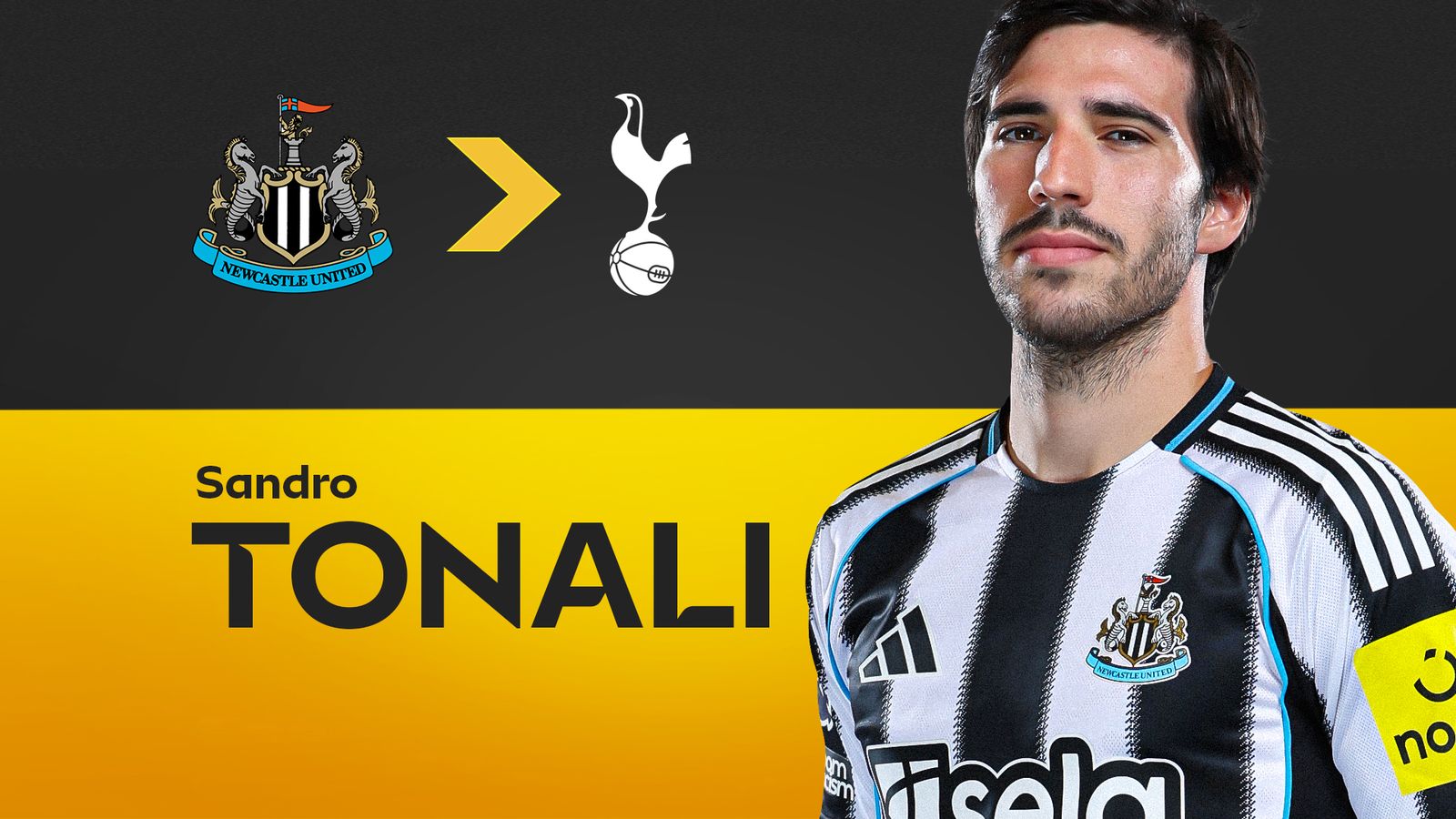
Tottenham Hotspur just dropped a nuclear warhead on the summer transfer market. By agreeing a club-record £100 million deal to sign Sandro Tonali from Newcastle United, Daniel Levy shattered the club's wage and transfer structures. This comes only weeks after securing Mateus Fernandes from West Ham for £85 million, bringing the club's midfield spending to a combined £185 million.
This is not a patient rebuild. It is a high-stakes, high-velocity gamble designed to catapult Spurs back into the Champions League. But a closer look at the tactical board suggests this expensive double-pivot might contain the seeds of its own destruction. Tonali is a spectacular footballer, but he is not the defensive anchor Spurs desperately need.
Newcastle, meanwhile, are laughing all the way to the bank. As debated on the Sky Sports transfer hub, Newcastle fans are already wondering how Eddie Howe will reinvest this colossal fee. Let us break down why this deal will end in disappointment for Spurs and vindication for Tyneside.
The Positional Dilemma of Sandro Tonali
To understand why this move is risky, look at Tonali's physical and technical profile. He is not a classic defensive midfielder who sits in front of the back four. In his best spells at AC Milan and Newcastle, Tonali operated as a dynamic, box-to-box engine who wants to press high and drive forward.
Last season, Tonali averaged 6.2 progressive passes per 90 minutes. That places him in the upper tier of European midfielders for ball progression, and he covers an average of 11.8 kilometers per match. Yet his defensive discipline in deep areas is notoriously inconsistent.
When asked to hold a central space, Tonali frequently wanders because he is drawn to the ball like a magnet. This leaves the space behind him completely vacant. If Spurs play a midfield three of Tonali, Fernandes, and James Maddison, they will be cut open at will by transition-heavy opponents.
Mateus Fernandes is also a player who thrives with the ball at his feet. He completed 87.2% of his passes last year, but he is not a ball-winner. He needs a destroyer alongside him. Putting Tonali and Fernandes together is like pairing two elite pianists and forgetting to hire someone to move the piano.
Why the Geordies Won the Deal
Newcastle fans might feel a pang of regret losing a player of Tonali's caliber. Yet, selling him for three figures represents an incredible piece of business for the club's balance sheet. Under Profit and Sustainability Rules, this sale represents pure accounting oxygen that allows Newcastle to rebuild a thin squad.
Eddie Howe's system demands extreme physical output from its wide players and full-backs. Newcastle can now use this money to sign a top-tier right-winger and a dynamic left-back. The loss of Tonali's individual brilliance is offset by the potential to balance the entire starting eleven. They are trading a luxury item for three functional tools.
Furthermore, Tonali never fully settled into Newcastle's tactical setup. The long suspension disrupted his integration, and when he did play, he often occupied the same zones as Bruno Guimarães. The team's defensive record actually improved when Howe played a more functional trio of Guimarães, Joelinton, and Sean Longstaff.
Spurs' Defensive Reality Check
Let us look at the numbers behind Tottenham's defensive record. Under their current high-line approach, Spurs conceded 64 goals last season, their worst defensive output in the Premier League era. They routinely left Micky van de Ven and Cristian Romero isolated, and adding Tonali does not solve this structural flaw.
To make matters worse, Tonali's duel success rate in the defensive third was only 48% last season. He is a presser who is often caught chasing back rather than tracking runners. If he is deployed as the deepest midfielder, Tottenham's center-backs will have to defend even larger spaces.
Let us examine a specific sequence from Newcastle's match against Manchester City last April. At the 34-minute mark, Tonali stepped up to press Rodri, who bypassed him with a simple wall pass. With no cover behind Tonali, Kevin De Bruyne had a clear run at the back four, leading to an easy tap-in.
The acquisition of Fernandes was supposed to bring control. The Portuguese midfielder is excellent at recycling possession under pressure. However, he is not a player who will break up plays or make tactical fouls. Without a defensive shield, Spurs will continue to bleed goals on the counter-attack, regardless of how much possession they dominate.
The recruitment strategy here seems to favor star power over structural fit. Spending such a massive portion of the budget on two players who want to play in the same half-spaces is a luxury Spurs cannot afford. It suggests a lack of alignment between the scouting department and the coaching staff's tactical demands.
The Prediction: A Costly Struggle for Top Four
The Premier League next season will be more competitive than ever. Manchester City have reinforced, Arsenal remain a defensive juggernaut, and Chelsea's young squad is beginning to mature. In this environment, a team with a soft underbelly will be ruthlessly exposed. Tottenham's shiny new midfield will look brilliant against bottom-half sides at home, but it will falter in the big matches.
I predict Tottenham will fail to qualify for the Champions League, finishing a disappointing sixth. Their defensive record will not improve, and they will once again concede over 60 goals. The pressure on the manager will intensify as the media questions why a £185 million investment yielded so little defensive stability.
Conversely, Newcastle will use the windfall to secure a top-four finish. With the squad depth acquired from the Tonali sale, Eddie Howe will build a more resilient, balanced team. They will be harder to beat, more efficient in transition, and tactically more cohesive. By selling Tonali, Newcastle have actually closed the gap to the elite.
It is a classic transfer market paradox. The team that sells the superstar wins, while the team that buys the marquee name gets dragged down by the weight of expectation and tactical imbalance. Spurs fans will initially celebrate this signing, but by next spring, the limitations of this midfield partnership will be plain for everyone to see.
Read Next