Surviving the Azteca Altitude
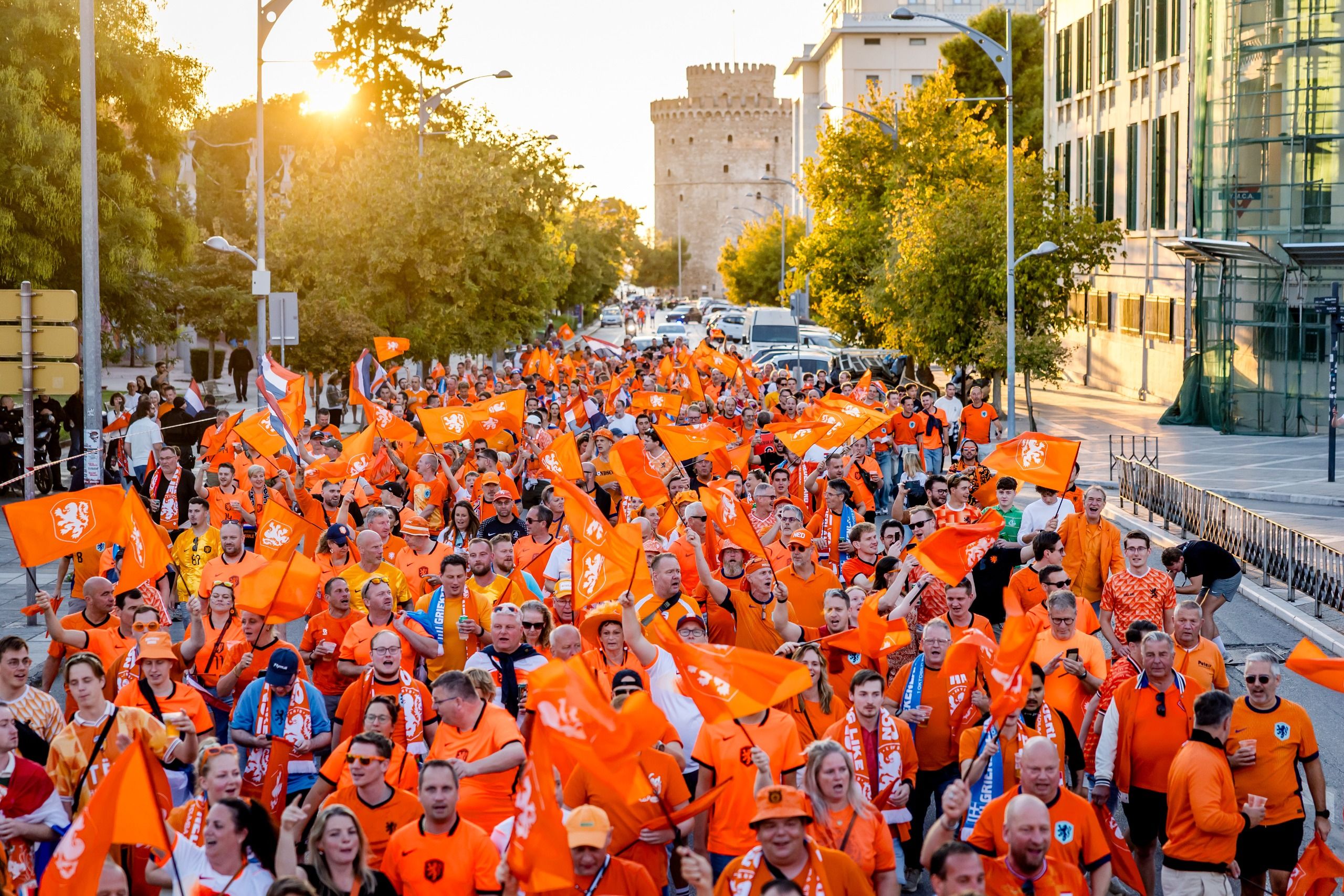
Winning at the Estadio Azteca is never clean. European teams usually disintegrate in the thin air of Mexico City, choked by the elevation and a screaming crowd. Thomas Tuchel’s England did not disintegrate, but they came incredibly close to a classic tournament collapse.
The spirited 3-2 victory was instantly hailed as one of the country's finest away performances. Yet, the tactical reality was far more chaotic than the heroic narrative suggests. A commanding 3-1 lead nearly vanished after a red card forced England into a desperate, deep defensive shell for the final half-hour.
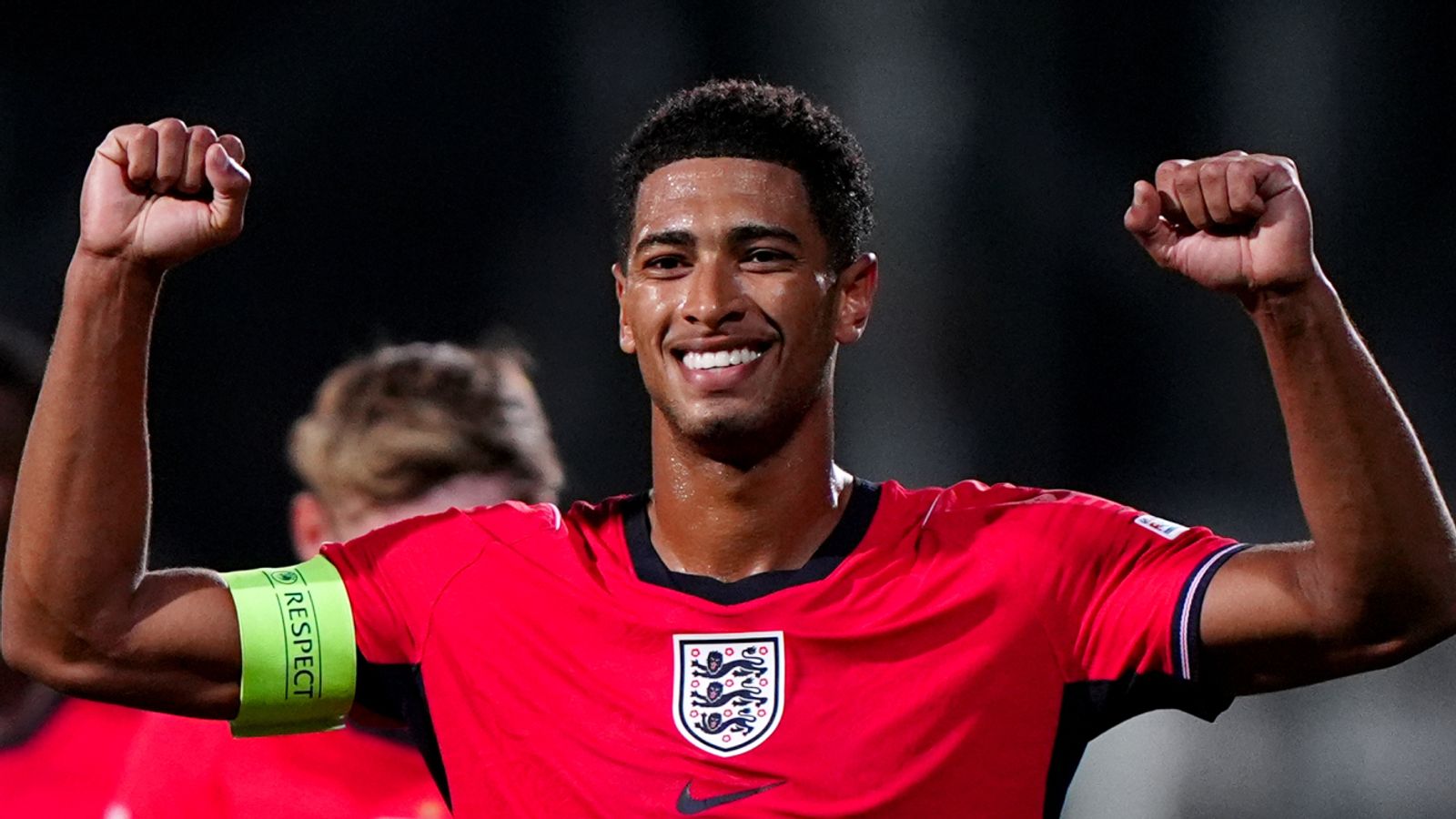
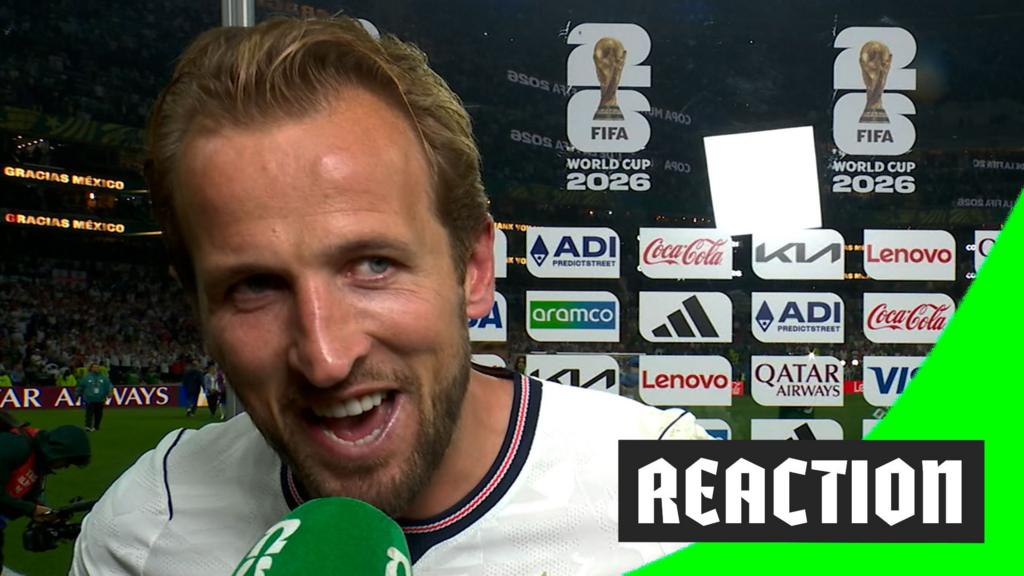
Even the aftermath was bizarre. Captain Harry Kane, his voice hoarse from shouting instructions, could barely speak. Jordan Henderson, who did not even play a single minute, had to be taken off on a stretcher after injuring himself during the post-match celebrations.
To complete the surreal atmosphere, Donald Trump paused his celebrations of the 250th anniversary of the United States to praise Kane on social media. It was that kind of game—a chaotic, high-altitude fever dream. But beneath the noise lies a series of tactical lessons that Tuchel must address before the quarter-finals.
Tuchel’s Hybrid Press and the Aguirre Mind Games
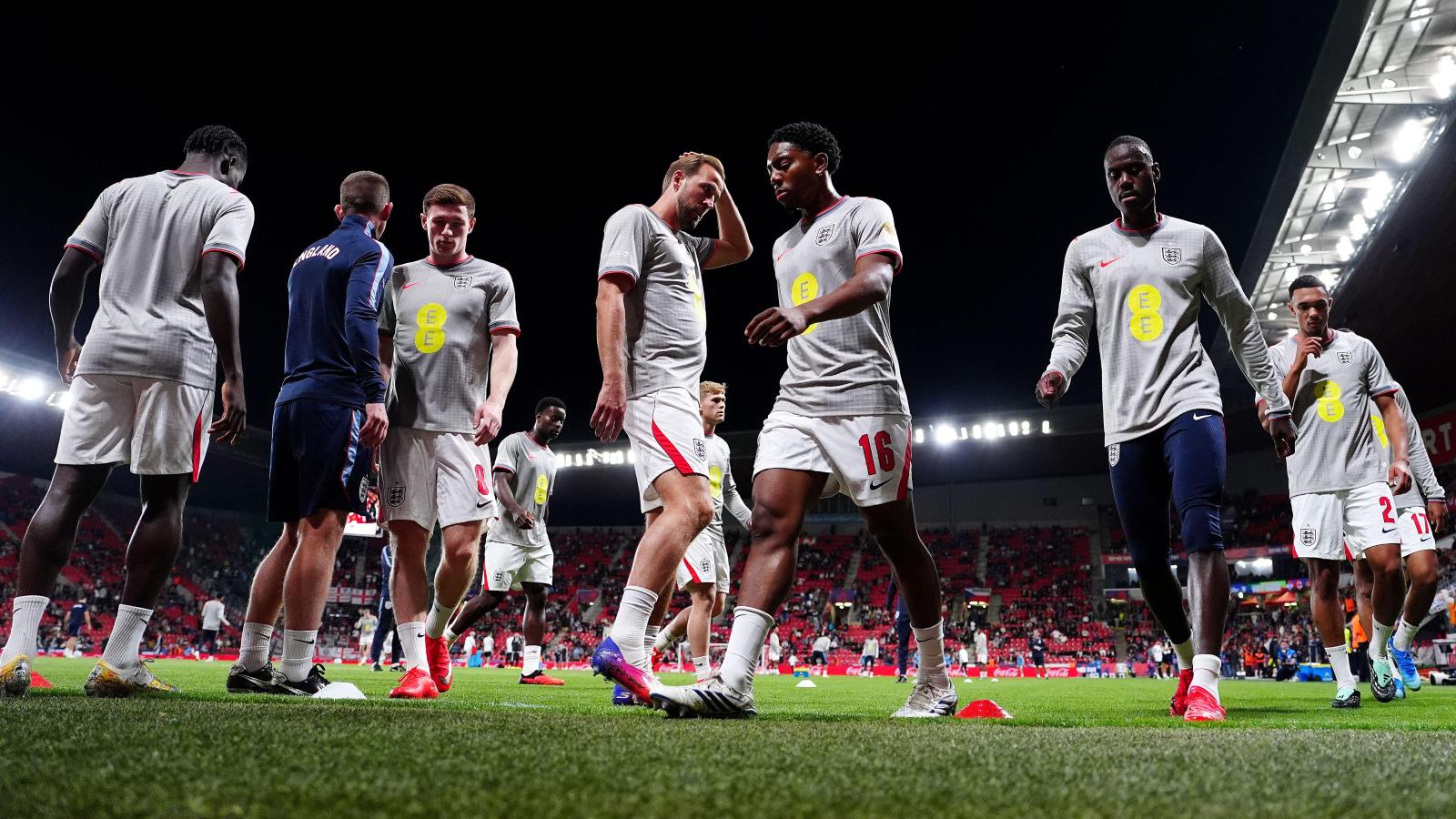
Tuchel initially surprised Mexico by deploying a fluid 3-4-2-1 system. Anthony Gordon and Bukayo Saka acted as wing-backs in possession but dropped to form a back five when defending. This structure neutralized Mexico's dangerous wingers, forcing their playmakers into congested central areas.
During the first-half hydration break, the tactical battle got personal. Mexico’s 67-year-old manager, Javier Aguirre, spotted Gordon near his technical area. Aguirre swore at the England winger with veteran intensity.
Gordon simply smiled, and the two eventually laughed it off. But the moment highlighted the mental warfare of the night. Mexico wanted to turn the match into a street fight, hoping the altitude would do the rest.
England’s pressing triggers were highly specific. Whenever Mexico's left-back received the ball with his back to the pitch, Gordon stepped up to cut off the inside passing lane. This forced three turnovers in the opening twenty minutes.
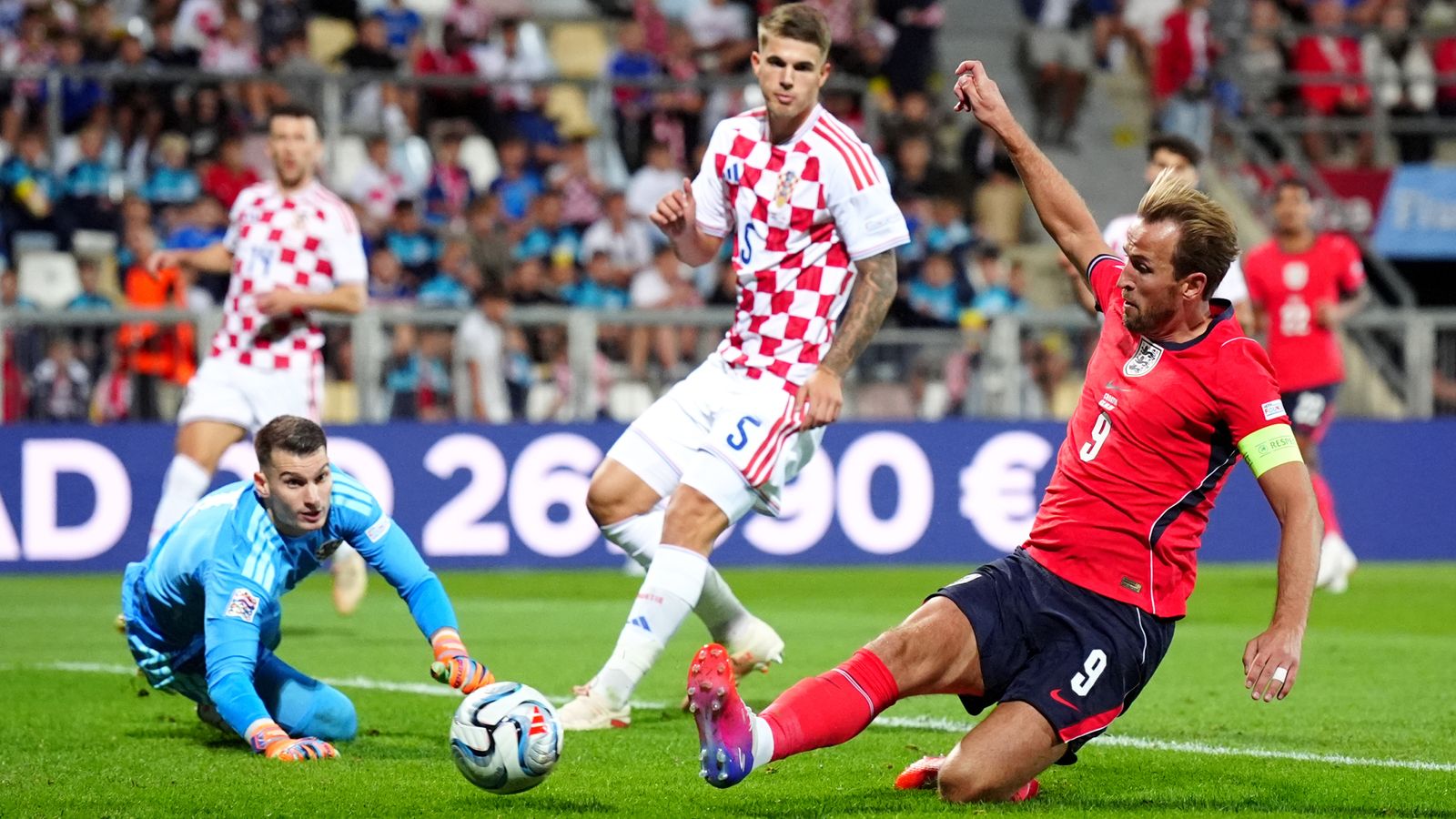
One of these transitions led directly to England’s second goal, capitalizing on Mexico's slow defensive retreat. Saka intercepted a loose pass, drove inside, and laid it off for Kane. The captain finished with clinical efficiency, silencing the home crowd.
Analyzing the Space Out of Possession
In the first half, England's defensive lines were compact. The distance between the back three and the double pivot was kept at a tight ten meters. This restricted Mexico's ability to play through the lines, forcing them into hopeful long balls.
England's defensive shape was designed to counter the high-altitude conditions. Pressing continuously at 2,240 meters is physical suicide. Tuchel knew his players had to conserve energy.
Instead of a high press, England utilized a mid-block. They allowed Mexico's center-backs to have the ball but shut down all central passing lanes. This forced Mexico to play wide, where Gordon and Saka were waiting to double up with the center-backs.
The Red Card and the Low Block Breakdown
The match changed completely in the 58th minute. A late, clumsy challenge in the center of the pitch saw England reduced to ten men. Tuchel immediately reacted, hooking a forward for a central defender and retreating into a passive 5-3-1 low block.
For fifteen minutes, the defensive spacing was exemplary. The vertical distance between the back line and the midfield trio was squeezed to just eight meters. This compact structure limited Mexico to low-probability crosses from deep positions.
England’s center-backs cleared twelve consecutive aerial balls during this stretch. They showed the kind of defensive resilience that defines tournament winners. But defending in your own box for thirty minutes is a dangerous game.
As fatigue set in, the block began to fray. Pass completion rates dropped from 84% to a dismal 58% in the final phase. England could no longer hold the ball, turning possession over almost immediately after winning it back.
Mexico pulled a goal back in the 79th minute, exposing a tired midfield. A late runner from deep was left unmarked, slotting the ball past Jordan Pickford. Despite Mexico accumulating an xG of 1.95 to 1.45, England's defense did not yield a third time.
'He's in a bit of bother'
Midfield Fragility and the Henderson Question
Despite the win, Tuchel has major issues to address before the quarter-finals. The central midfield partnership failed to control the tempo once Mexico increased their intensity. England lacked a player who could pause the game and hide the ball.
The squad depth is also under scrutiny. Jordan Henderson's post-match injury adds a layer of absurdity to the midfield selection. An unused substitute being carried away on a stretcher suggests a squad running on pure adrenaline.
Tuchel cannot afford passenger players in the knockout rounds. The physical toll of the Azteca will be felt in the next match, and England's squad is already stretched thin.
Furthermore, Kane's physical state is a concern. The captain was isolated in the second half, unable to hold up the ball or win fouls to relieve pressure. If England cannot support their striker, their tournament run will end abruptly.
The Structural Defect in the Double Pivot
The biggest concern from the Mexico game was the spacing of the double pivot. Rice and Mainoo were often dragged too far apart, leaving a gaping hole in the center of the pitch. Mexico's central midfielders exploited this gap repeatedly in the first fifteen minutes of the second half.
When the pressing line failed, the midfield pivot did not drop deep enough to support the back three. This forced the center-backs to make risky forward passes that were easily cut off. Tuchel's system relies on the double pivot acting as a shield, but against Mexico, that shield was frequently bypassed.
If England's next opponent operates with a fluid three-man midfield, they will punish this spacing issue. The distance between Rice and Mainoo must be kept under six meters when out of possession. This will force opponents wide and prevent them from playing directly into the feet of their forwards.
Comparing to Historic Away Wins
Some commentators have compared this match to England's historic away victories of the past. The 5-1 win in Munich comes to mind, as does the 3-2 victory in Seville in 2018. But those matches were tactical masterclasses in transition play.
This was different. This was a survival act, a desperate rear-guard action that succeeded due to individual heroism rather than collective control. To win a World Cup, a team must control matches.
Defending deep and relying on last-ditch blocks is not a sustainable strategy. Tuchel knows this, and his tactical setup for the next round must reflect it.
'One of England's greatest performances'
Previewing the Quarter-Final: The Tactical Adjustment
England now faces a tactical crossroads. Their next opponent will not allow them to defend inside their own box for thirty minutes without punishment. Tuchel must reintroduce tactical discipline.
I predict Tuchel will abandon the three-back system for a more stable 4-3-3. This will provide an extra body in midfield to prevent the central space from being overrun. Saka and Gordon will need to play as traditional wingers, tracking back to support their full-backs.
The midfield needs a controller. Without one, England will continue to struggle against teams that employ a high, coordinated press. Tuchel must find a way to replicate the first-half control while ensuring the team can survive physical fatigue.
The Winger Dilemma: Gordon vs Saka
Gordon and Saka are both elite wingers, but they offer completely different tactical profiles. Gordon is direct, using his pace to stretch the opposition defense and create space inside. Saka is more of a playmaker, cutting inside on his left foot to link up with Kane and the overlapping full-back.
Against Mexico, this asymmetry worked well in the first half. Gordon's directness kept Mexico's right-back pinned deep, preventing him from joining the attack. However, when England went down to ten men, this asymmetry became a liability as Gordon had to defend deeper.
Tuchel must decide whether to continue with this asymmetric approach or shift to a more balanced winger setup. A balanced setup would see both wingers playing similar defensive roles, preventing the opposition from overloading one flank. This will be key in the quarter-final against a team with dynamic full-backs.
Predicting the Lineup and the Outcome
Here is how England should set up in the quarter-final to maximize control:
- Pickford in goal, providing vocal leadership from the back.
- A back four of Walker, Stones, Guéhi, and Trippier for defensive stability.
- A midfield three of Rice, Mainoo, and Bellingham to combat the press.
- A front three of Saka, Kane, and Gordon to exploit space on the counter.
This lineup offers a better balance between defensive solidity and possession retention. It reduces the reliance on a low block and allows England to transition more fluidly.
Expect a tight, tactical battle that will not feature the five-goal thrill ride of the Mexico game. England's defense will be tighter, but their attack will be more conservative.
I predict a disciplined 2-1 victory for England, securing a spot in the semi-finals through sheer tactical organization rather than chaotic heroism. Tuchel's ability to adjust his system mid-tournament will be the deciding factor.
The Final Quarter-Final Verdict
The victory in Mexico City was a wild, emotional ride, but it cannot blind us to England's vulnerabilities. The physical toll of the high altitude, combined with tactical flaws and a bizarre post-match injury crisis, has left England exposed.
Tuchel is a world-class tactician, and he will know that a repeat of the second-half performance against Mexico will result in elimination. The shift to a 4-3-3 is not just a suggestion; it is a necessity for survival.
Read Next
- Tuchel is walking England straight into an Azteca trap
- England are walking into a tactical trap at the Azteca
- Thomas Tuchel is running out of options as England face an Azteca storm
- Tuchel survives the Azteca storm but England are still playing with fire
- 🏆 World Cup 2026 — Full Coverage Hub
- 🏴 England World Cup 2026 — Three Lions Hub
- 🇲🇽 Mexico World Cup 2026 — El Tri Hub
- ⚡ UCL Quarter-Finals 2026 — Full Coverage Hub