
West Ham's ownership crisis is strangling their tactical progress

Governance failures are dictating the pitch
The recommendation for West Ham co-owner David Sullivan to avoid home matches at the London Stadium is more than a diplomatic suggestion by venue management. It is a symptom of a club whose operational foundation is fracturing in real-time. When external noise reaches a point where ownership is essentially banned from its own touchline, the secondary effect is always a degradation of the product on the pitch.
Tactical continuity requires a stable environment. Players operate within a set of principles coached during the week, but those principles are reinforced by the boardroom climate. As reported by the BBC, the current anxiety surrounding the club stems from serious sexual misconduct claims. This environment makes focused preparation near impossible. You cannot effectively press or maintain a high defensive line when the club's image is locked in a cycle of toxicity.
The cost of instability on the grass
Modern football rewards clubs that project calm. Look at the data from the 2026-27 season planning; Crystal Palace, for instance, is already executing a squad reset to avoid the regression trap that follows consecutive trophy wins. They are managing their personnel with clinical detachment. West Ham, by contrast, is spiraling into a defensive posture where the board is preoccupied with optics rather than the transition phase or xG output.
It is difficult to recruit or retain talent when the home environment is essentially hostile. Tactically, this manifests as a lack of discipline during the transition to defense. In the closing stages of matches, teams lacking internal stability often concede cheap goals because the collective concentration snaps. We are seeing a club that is reactive instead of proactive. A squad needs a clear identity, and that identity starts with a front office that doesn't require a security recommendation to watch its own team play.
When the boardroom distraction dictates play
The link between ownership presence and performance is not merely symbolic. Players pick up on the tension in the corridors. When the focus shifts from tactical refinement to crisis management, the small details suffer. Set-piece routines, which require high degrees of coordination, often become sloppier. The marginal gains that separate a top-six side from a mid-table participant are lost in the haze of negative headlines.
West Ham is arguably facing the most dangerous situation in the Premier League. While other teams are analyzing heat maps and player fatigue metrics, the Hammers are dealing with the logistical fallout of their ownership's reputation. This is the definition of self-inflicted damage. It limits the manager's authority and complicates the recruitment process for the next window.
Refining the tactical future
If West Ham wants to climb the table, they need a clean break from the atmosphere currently surrounding Sullivan. Tactical evolution, such as adjusting a wing-back system to accommodate a more aggressive high press, requires a board that is fully aligned with the technical staff. At this moment, the focus is entirely on the wrong things.
The data suggests that teams in turmoil lose their tactical structure after the 70th minute. That is when the mental weight of a club's off-field issues manifests as fatigue-related errors. If the board remains a focal point for fan unrest, the coaching staff will continue to fight an uphill battle. You cannot build a winning team on a foundation of professional and reputational decay.
adidas MLS League Soccer Ball
Match-ball looks with a friendly training-ball price tag.
Frequently Asked Questions
Why has David Sullivan been advised to avoid West Ham home matches?
How does club instability affect West Ham's tactical performance?
What is the primary cause of the current anxiety at West Ham?
Why does the author contrast West Ham with Crystal Palace?
How does boardroom distraction impact on-field recruitment?
More Coverage
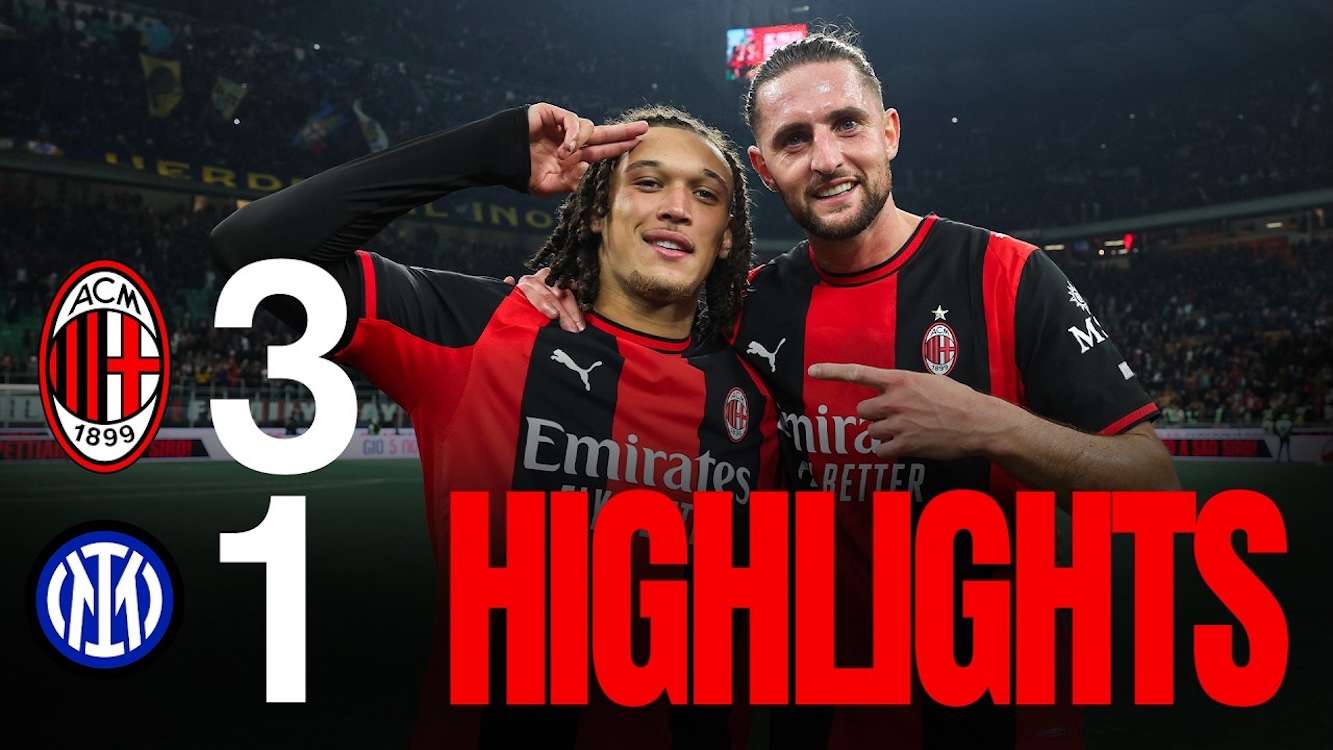
Diego Moreira just blew the Milan derby wide open for Ruben Amorim
41 minutes ago
Top 10: Top Moments
8 hours ago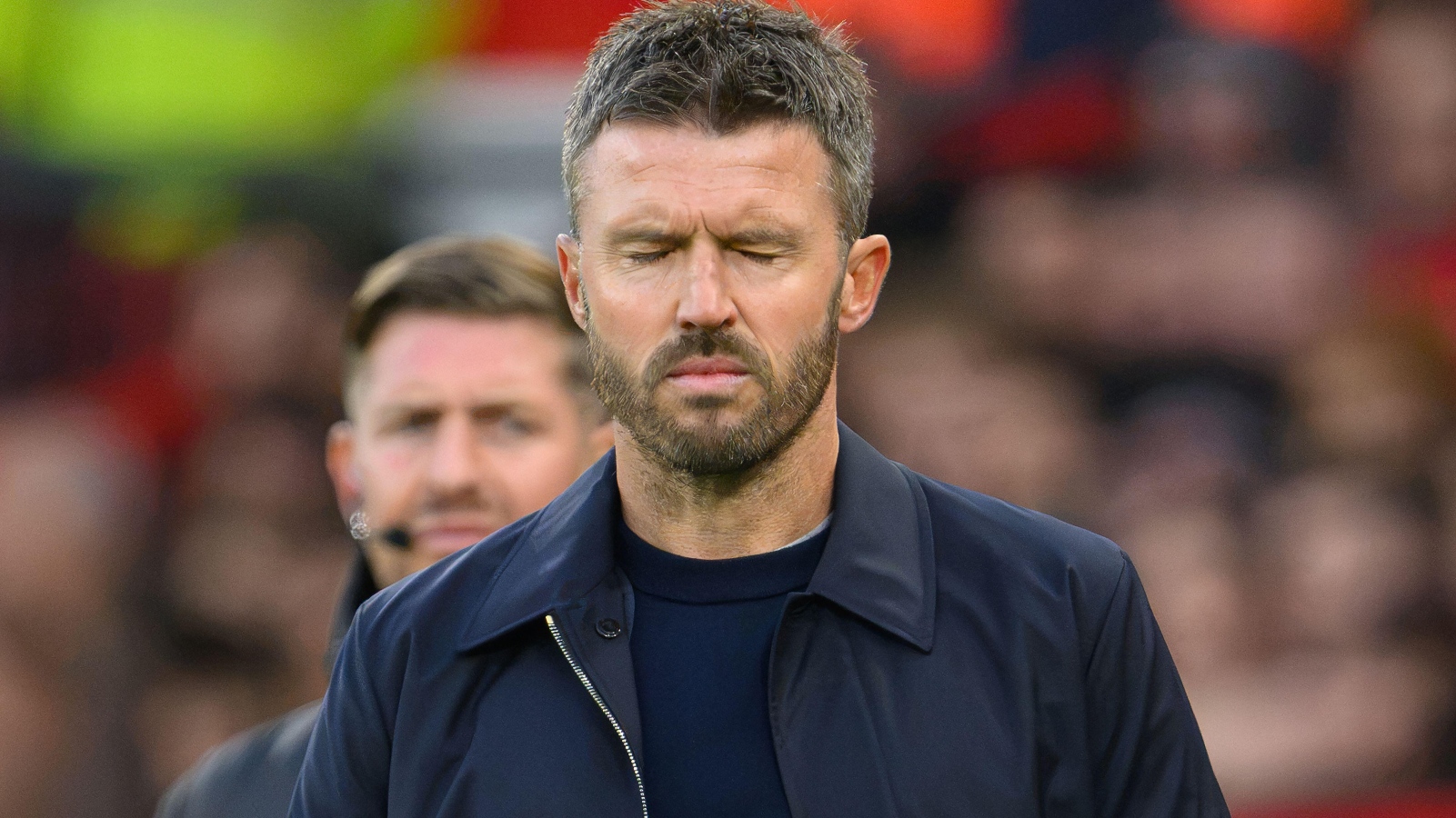
Premier League sack race data reveals who really deserves the axe
8 hours ago
Coventry fans showed how to respond to that sick Bradley Lowery taunt
10 hours ago
Trent Alexander-Arnold is third choice in Madrid, and the numbers explain why
12 hours ago
Oliver Glasner is out of patience and Nottingham Forest are out of time
16 hours agoMore Analysis
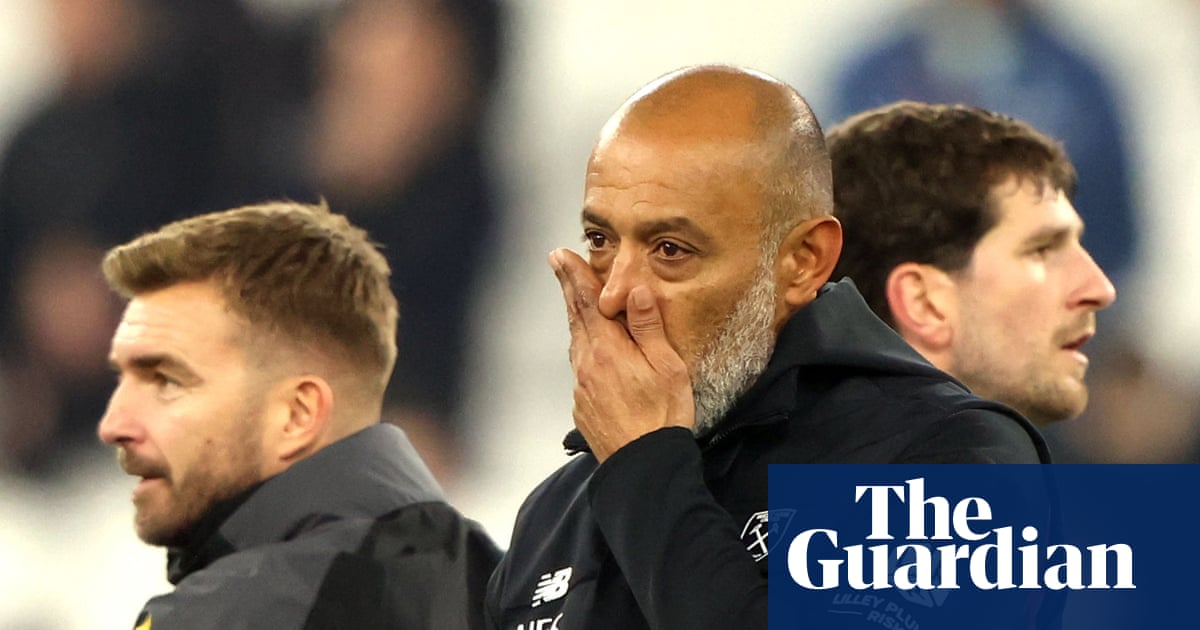
West Ham fans are already done with Nuno after West Brom disaster
1 day, 8 hours ago
Carlton Cole: Thomas Tuchel is wrong to freeze out Jarrod Bowen
1 month ago
Top 10: Top Moments
1 month, 1 week ago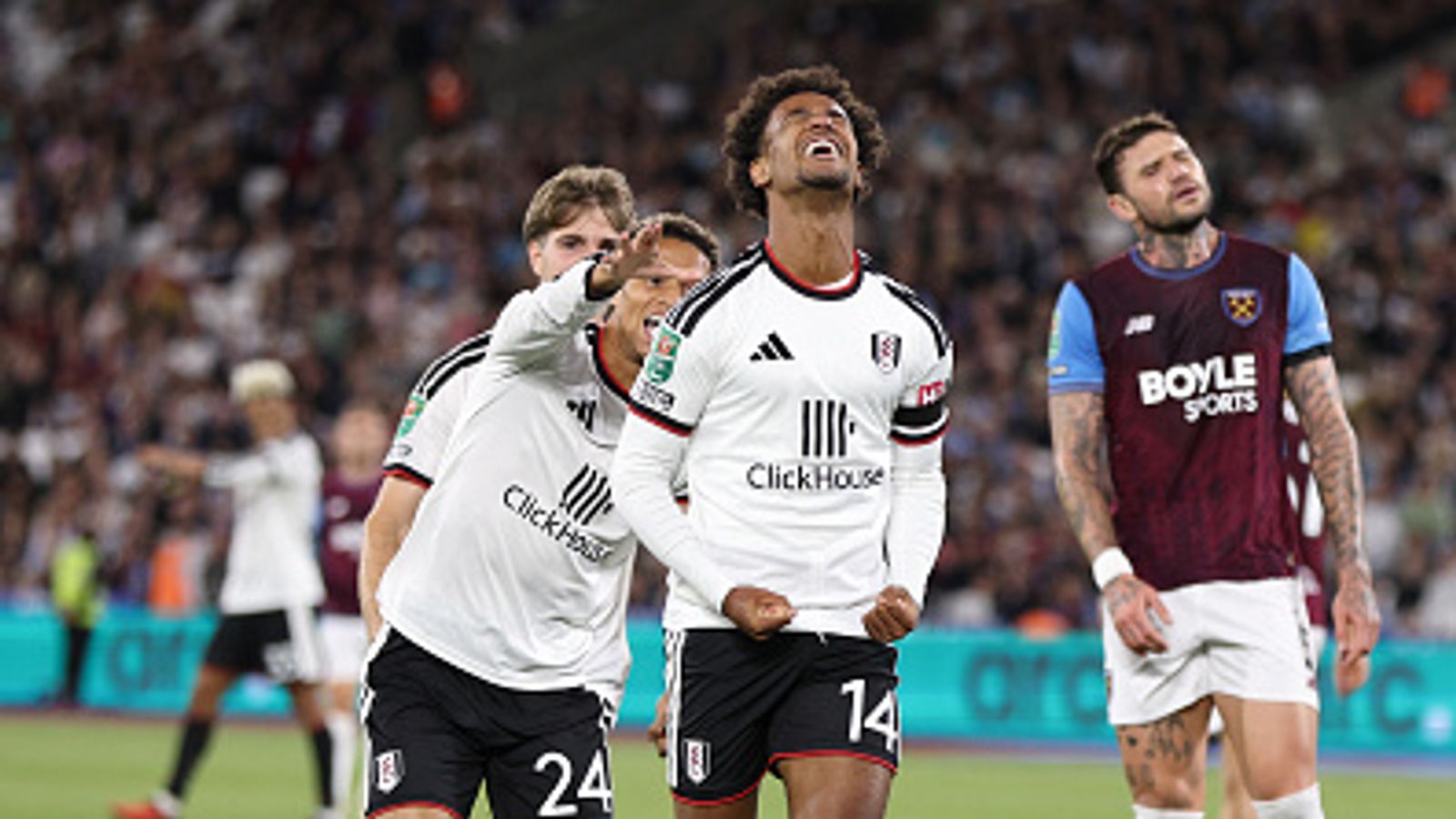
Top 10 Moments: Fulham Edge West Ham in Five-Goal Carabao Cup Thriller
1 month, 2 weeks ago
Why the Premier League is ending automatic minute's silences
1 month, 3 weeks ago