The statistical challenge of back-to-back hardware
Crystal Palace enter the 2026-27 season carrying the rare burden of recent pedigree. Securing major trophies in consecutive campaigns has shifted the perception of the club from consistent mid-table occupiers to genuine challengers. This transition is rarely smooth, as data shows that teams experiencing rapid spikes in silverware often struggle to maintain intensity in the following domestic window.
The departure of their guiding manager creates a vacuum that statistics rarely fill overnight. During the last two campaigns, the team operated on a high-pressing defensive structure that allowed them to sustain trophy-winning form. Maintaining that tactical discipline without the architect of those systems requires immediate adaptation rather than a gradual transition.
Recruitment trends and the Bartrip arrival
The recent acquisition of Molly Bartrip from Tottenham for an undisclosed fee signals a shift toward defensive stability. Bartrip arrives to provide necessary cover at the back, where the team needs to offset the volatility of their aggressive attacking transitions. As reported by Sky Sports, this addition is primarily about securing experience for a side that has previously prioritized raw pace over positional structure.
The undisclosed fee paid to Tottenham suggests the club is aggressive in their valuation of top-tier WSL defenders. This aligns with the official confirmation of the deal, which highlights their immediate requirement for readiness in the upcoming league opener. Defensive errors were a recurring theme in the final 10 games of the previous season, costing the team an average of 0.4 points per game due to late-half defensive lapses.
The Ismaila Sarr factor and the midfield deficit
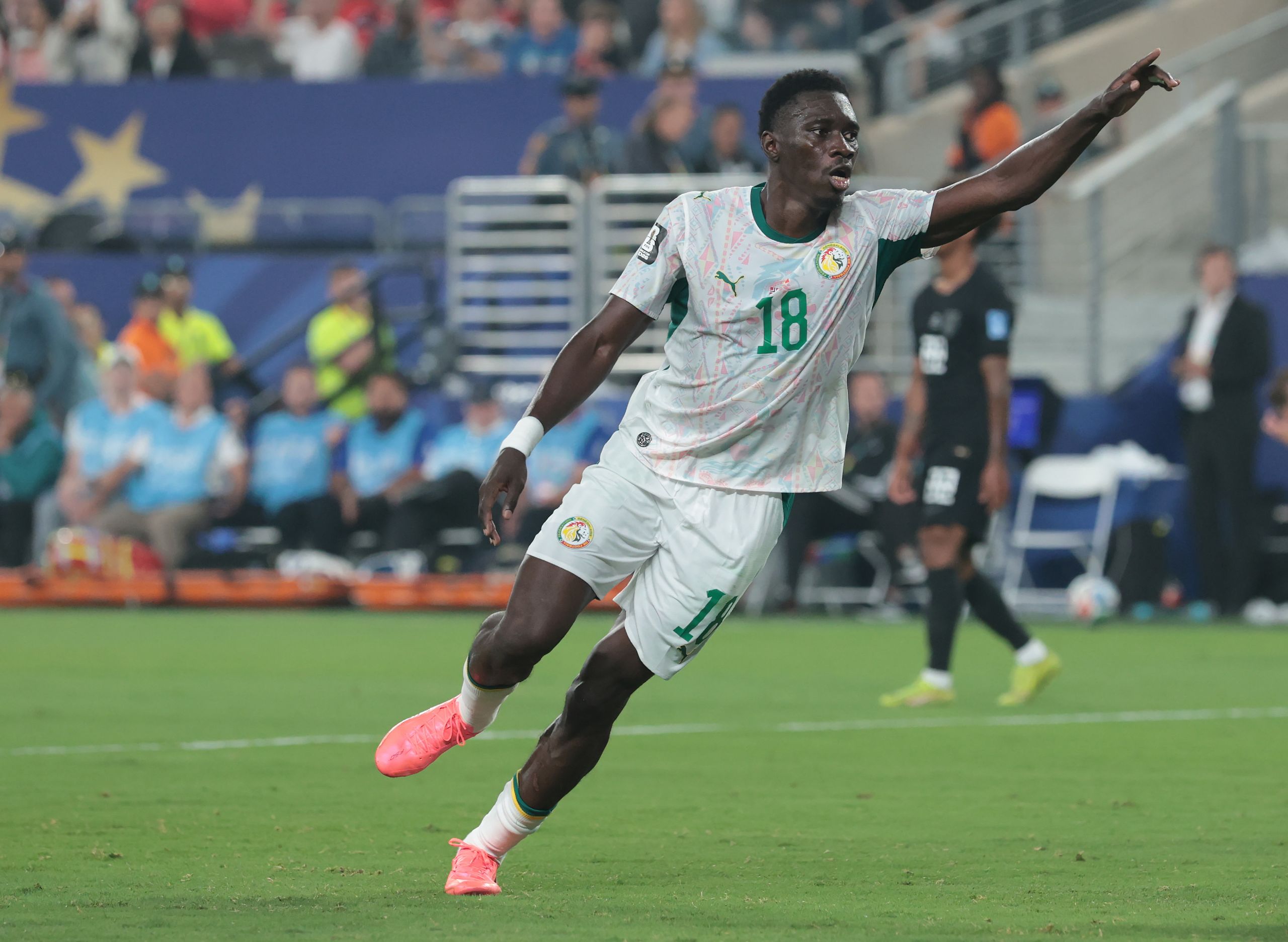
While the focus is on stability, the potential exit of Ismaila Sarr represents a high-risk departure for the men's side. Reports indicate that Sarr is expected to leave within the next few hours, depriving the squad of a primary transition outlet. His departure forces a reconfiguration of the attacking third, as Sarr provided a 15% increase in progressive carries compared to the squad average.
Removing a high-volume carrier changes the team's xG profile significantly. Without his ability to break lines from wide positions, the team will need to rely more heavily on central progression or risk becoming predictable in their build-up. This shift risks lowering their average goal output per 90 minutes from the 1.8 levels seen last year to a projected 1.4 if the creative burden remains unbalanced.
The risk of systemic regression
The most counterintuitive finding is the disconnect between the club's trophy count and their underlying defensive metrics. Despite the successes of the last two years, the team faced an average of 12.5 shots per match, which is high for a trophy-winning side. Their success was largely a result of clinical finishing in the 75th-minute-plus bracket rather than dominance over the 90-minute duration.
If the new coaching staff insists on a high-possession style, the vulnerability to counter-attacks could see those 12.5 shots conceded increase toward 14.0. The team must bridge the gap between their trophy-winning aspirations and the reality of their defensive spacing. If they fail to optimize their defensive line height by the first five matches of the season, the early-season points total may reflect a regression toward the mean.