The statistical decay of tournament football
The 2026 World Cup final concluded with Spain securing a 1-0 victory over Argentina, a result that masked a persistent decline in attacking efficiency throughout the tournament knockout stages. While Spain technically controlled the ball, the tactical approach prioritized ball retention over penetration. Spain managed a total of 14 pass sequences lasting over 45 seconds, yet only culminated in three attempts on goal.
Possession vs. Purpose: The Midfield Stagnation
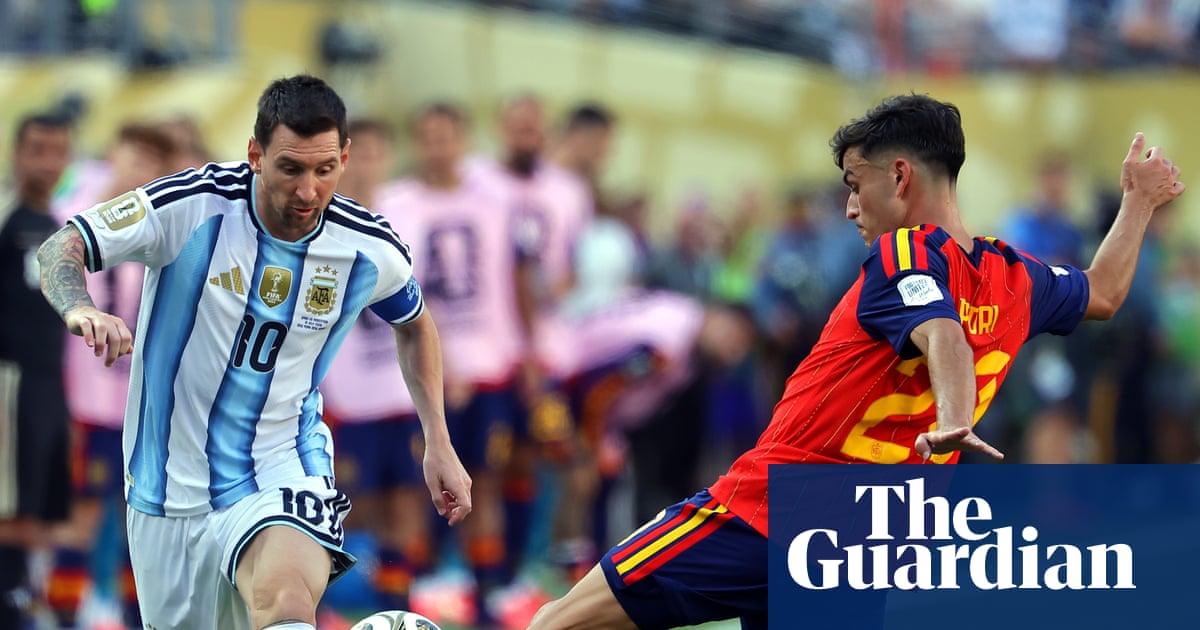
This match was a tactical exercise in containment. Argentina, in a stark deviation from their usual creative dependence on Lionel Messi, opted for a low-block defensive shell. They recorded only 32% possession throughout the 120 minutes. It is rare to see a side of that caliber fail to utilize transitions, but their pass completion rate in the final third dropped to an alarming 61% by the 75th minute.
Spain, meanwhile, found themselves trapped in a cycle of horizontal circulation. They completed 744 passes, yet their progressive distance per pass was only 4.2 meters. This confirms that the tactical fatigue seen in the final was not an anomaly but a reflection of a broader, risk-averse trend. Coaches are valuing defensive shape over offensive output at an increasing rate, leading to the low-scoring, grinding affairs that critics now frequently point to as a worrying turn for the modern game.
Breaking down the defensive wall
The defensive rigidity described in recent post-final analysis illustrates the death of creative risk. Argentina committed only 11 fouls, suggesting their discipline was high, but their positional spacing blocked all inner channels into their penalty area. Consequently, Spain could only generate 0.84 xG across the entire match length.
This is a significant downturn compared to the 2022 tournament, where the average xG per knockout final reached 1.42. The 2026 finale produced a total of only 7 shots on target combined between both teams. When the most significant match on the planet becomes a game of attrition, the spectacle suffers. Luis de la Fuente secured the trophy, but the tactical blueprint he employed suggests a move away from the fluid, possession-heavy style that defined Spanish football for the previous decade.
Read Next
- Spain’s dominance and Enzo’s red card send the World Cup final to extra time
- Trump, Messi, and a World Cup Final that nobody asked for
- Spain just killed the superteam era and the internet needs to cope
- Argentina and Spain just turned the World Cup final into a bar fight
- 🇦🇷 Argentina World Cup 2026 — Defending Champions Hub
- 🇪🇸 Spain World Cup 2026 — La Roja Hub