Tottenham are burning their bridge to the top four
The fiscal reality of the Levy era
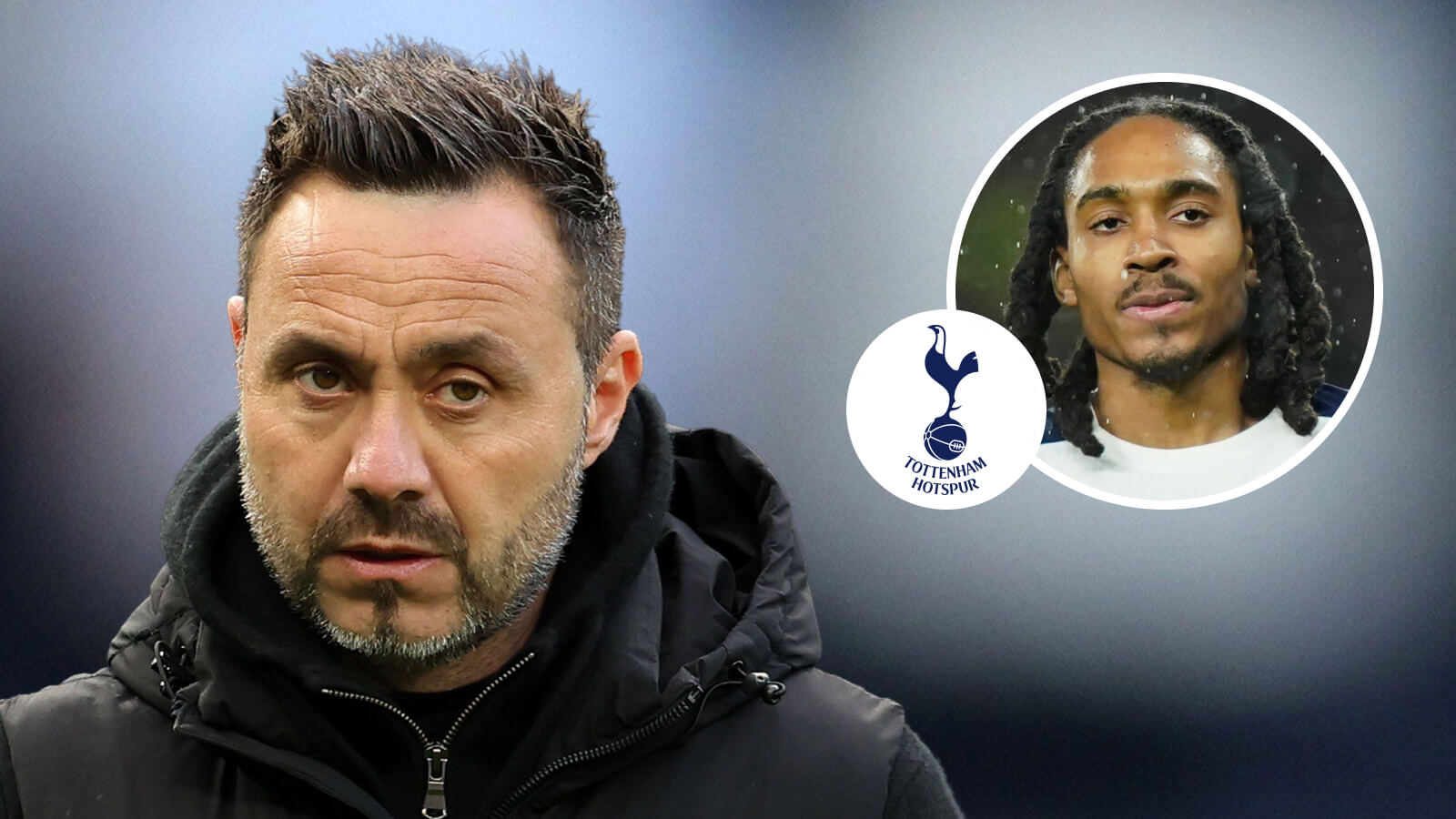
Tottenham Hotspur is entering its most precarious phase of the post-stadium era. The club has aggressively injected capital into the squad this summer, but the books remain tethered to a rigid internal accounting logic. Fabrizio Romano recently confirmed that Spurs are looking at a £90m double exit to balance the scales. This is not tactical refinement; it is a desperate attempt to stay within the lines of sustainability while chasing mid-tier success.
The club has consistently operated under the shadow of its own balance sheet. Even with increased revenue streams, they remain hesitant to hold onto top-tier talent when high-value offers arrive from rivals or continental giants. The strategy relies on constant regeneration, assuming that every departed star can be replaced by a younger, cheaper alternative. It worked during the early Poch years, but the current market demands a different efficiency.
The Romero enigma
Cristian Romero is officially on his way out. As reported by TeamTalk, the Argentine defender has attracted interest from two top-tier suitors, signaling the end of his tenure in north London. Losing your primary aggressor in a back four requires a complete defensive reconfiguration. Defensive solidity is not found in the transfer market for a profit; it is forged over years of chemistry and understanding the specific spacing of a center-back partnership.
Romero brought a level of bite that few in the league can replicate. His recovery pace and front-foot tackling often masked systemic deficiencies in the midfield behind him. Without him, the back line loses its edge. Replacing a defender of that profile, especially with the intent to reinvest elsewhere, suggests a lack of alignment between the scouting department and the manager. The club is selling its floor for the sake of its ceiling.
The Djed Spence miscalculation
The discourse surrounding Djed Spence represents the polar opposite of the Romero situation. Recent analysis suggests that allowing the England international to leave for less than £50m would be a redundant tactical failure. Spence has evolved into a versatile component, yet the club seems ready to offload him to satisfy the same fiscal pressures driving the Romero sale.
Why sell low on a player with his physical profile when the market for homegrown talent is inflated? If the club offloads Spence for a quick fix in the midfield or forward line, they surrender leverage in future negotiations. A club of this size should hold firm on values when the player in question has already demonstrated the ability to thrive outside the English top flight. Selling under market value to clear space is a symptom of a club that prioritizes short-term liquidity over long-term squad continuity.
Structural rot
The overarching issue here is a lack of direction regarding squad identity. Tottenham is moving away from the defensive backbone of the last two seasons without a clear blueprint for how to transition into a more fluid unit. A club cannot consistently shed its most valuable assets while simultaneously expecting to challenge the top four—or rather, the top two—given where the gap currently lies.
There is a recurring pattern here: sign high-potential talent, see them reach a baseline of value, and then offload to recoup fees before they hit their true peak. That is a model for a mid-table side aiming to eventually break into the elite, not a club that claims to be part of the elite. Unless the recruitment team finds a way to replace two starters with three consistent impact players, the upcoming season could turn into a grind.
Liverpool is currently hovering over these developments, observing with, one suspects, a degree of predatory amusement. When a club publicly signals a need to sell, bargaining power evaporates. Tottenham is handing their opponents the stick with which to beat them. It is a cynical way to run a club that speaks incessantly about progress while constantly resetting its own internal clock to zero.
Read Next
- Tottenham are burning their defensive foundation for quick cash
- Tottenham's recruitment strategy looks increasingly disjointed
- Liverpool chasing Barcola while Diomande plans complicate the move
- Thomas Meunier to Sunderland is the strangest signing of the summer
- 🏆 Europa League Final 2026 — Full Coverage Hub
Funko Pop! Football: Manchester City - Erling Haaland
The goal-scoring machine from Man City, now in tiny vinyl form.
Frequently Asked Questions
Why is Tottenham Hotspur planning a double exit of key players?
What is the impact of selling Cristian Romero?
Why is the potential sale of Djed Spence considered a mistake?
How does Tottenham's current transfer strategy differ from the past?
What systemic issue is driving Tottenham's current transfer decisions?
More Coverage

Arsenal face Leeds with Arteta locked in and a point to prove
6 days, 8 hours ago
Why Tottenham Are Screwed and Man City's Perfect Start Means Nothing
6 days, 9 hours ago
Tottenham are stuck at the bottom and history says they should panic
6 days, 9 hours ago
Top 10: World Football's Biggest Storylines, Scandals, and Shocks of 2026
1 week ago
Why Martin Odegaard and Premier League Stars Are Obsessed With VR
1 week ago
Max Dowman suffers Arsenal injury scare on England duty
1 week agoMore Analysis
Arsenal's chase for Kenan Yildiz is over after Juventus slam the door
1 month, 2 weeks ago
Rangers' rejected £7.5m Cozier-Duberry bid shows a club losing its head
1 month, 3 weeks ago
Why Premier League heavyweights are raiding League One for 18-year-olds
1 month, 4 weeks ago
How Michael Carrick is quietly rebuilding Man United's midfield for £83m
2 months ago
Ipswich Town's £106m overhaul gives them the physical punch to stay up
2 months ago