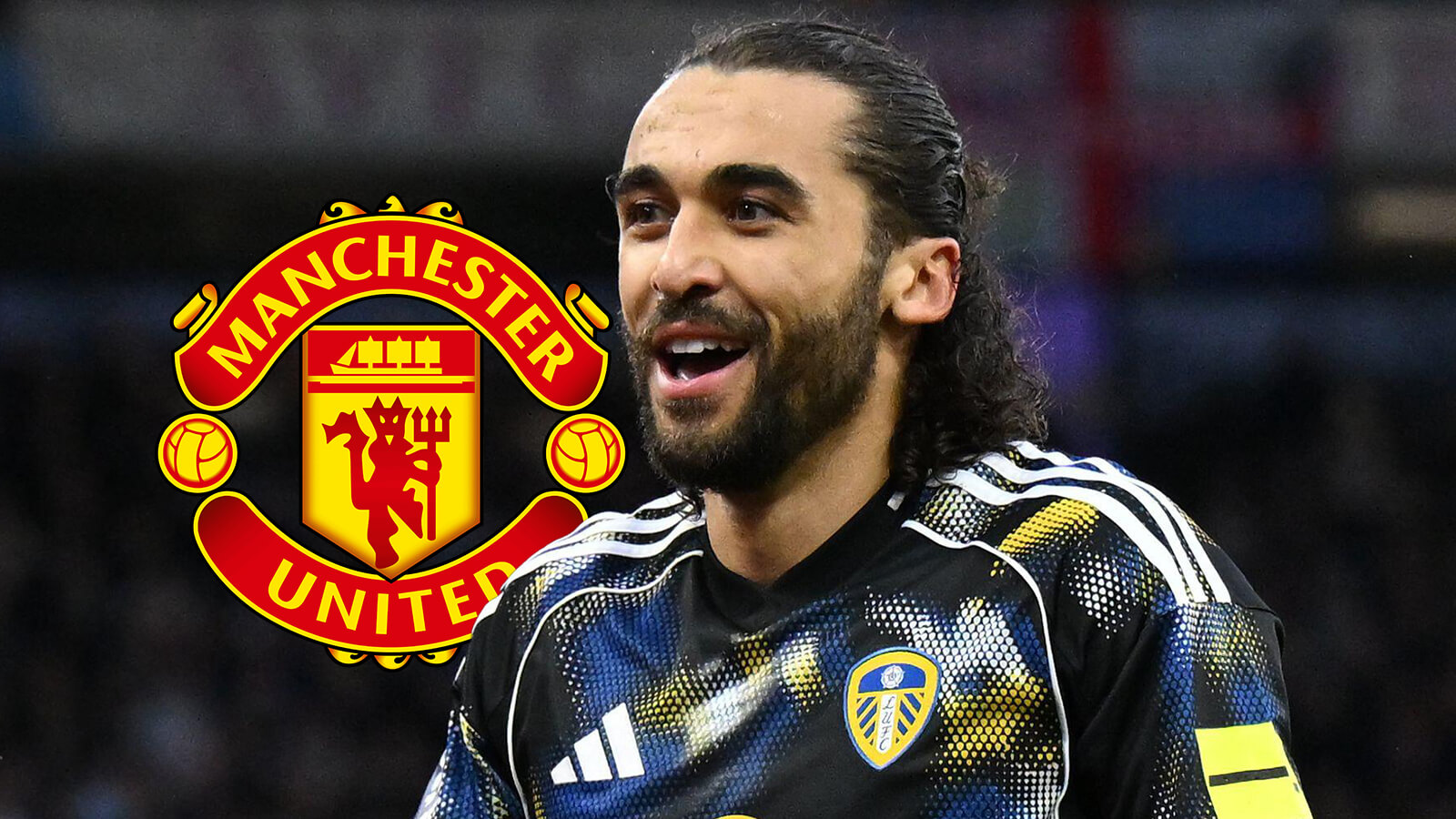
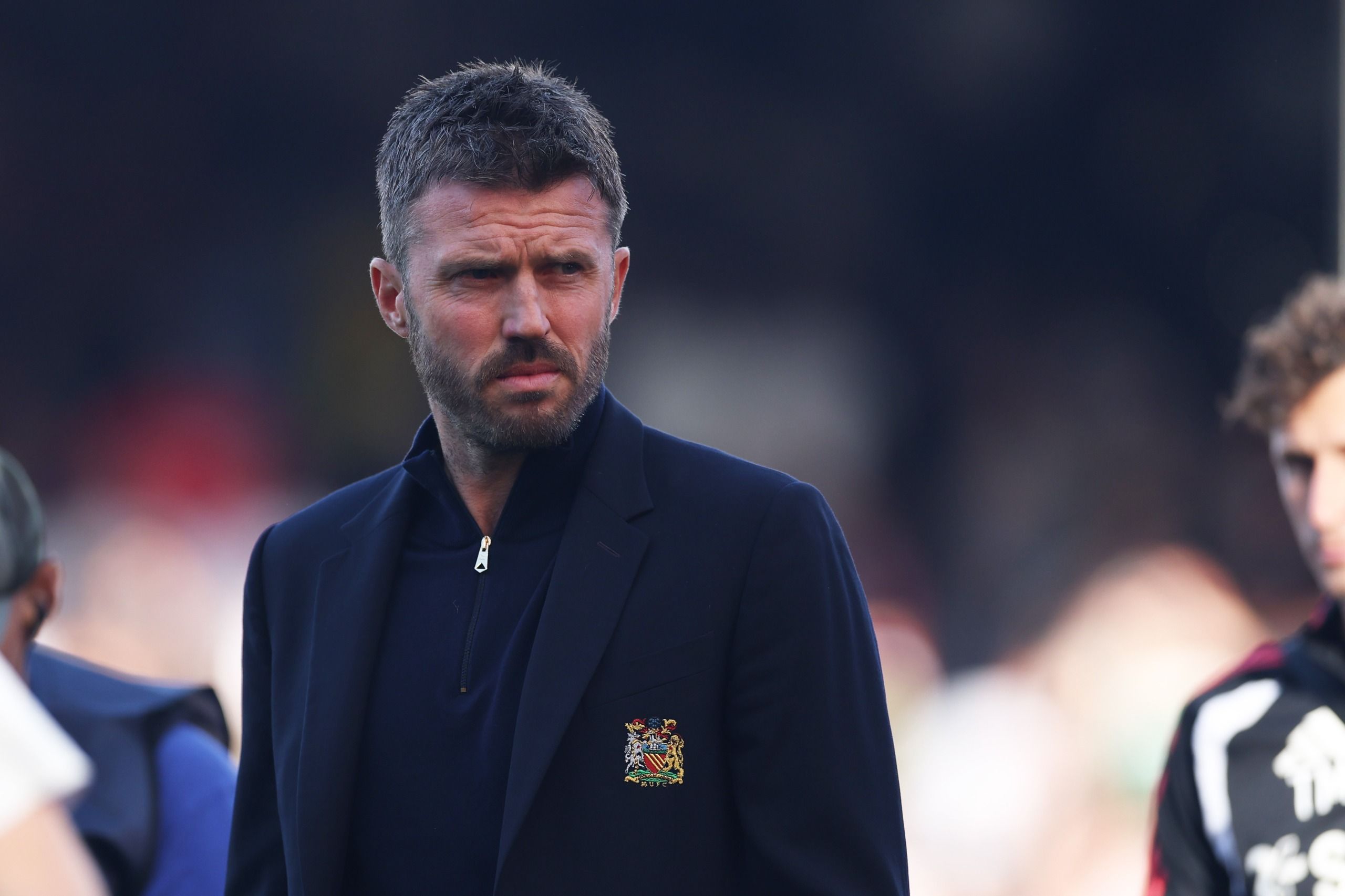
The £83m Midfield Pivot: Market Efficiency Over Marquee Names
Manchester United completed an £83m midfield overhaul in a single 24-hour window this summer. Securing Andrey Santos from Chelsea for £48m immediately before triggering Youri Tielemans' £35m release clause represents a calculated shift in Old Trafford's transfer policy under Michael Carrick.
The Ineos recruitment team has abandoned the historic habit of chasing overpriced marquee names on bloated contracts. Carrick prioritizes press-resistant profiles with structural utility, securing two prime-age midfielders for less than the price of a single marquee signing from previous transfer sagas.
Former Chelsea midfielder John Obi Mikel highlighted the sheer value of the Tielemans transaction on The Obi One Podcast.
"Honestly, how the f*** did Manchester United get him for £35m? That’s a f***ing steal... when you have a player that can play anywhere, it gives you the variety to change the way you want to play."
Securing an established international playmaker for £35m represents a rare market anomaly. Aston Villa inserting that release clause provided United with an unexpected opening to steal a proven engine room operator.
By executing both transfers simultaneously, United avoided inflating market prices across subsequent targets. Ineos demonstrated that value for money now takes absolute precedence over commercial hype in Manchester.
Evaluating the Andrey Santos Acquisition
While Tielemans brings tactical variety, the £48m arrival of Andrey Santos provides the physical backbone Carrick lacked last season. Santos arrived just 24 hours prior from Chelsea to anchor United's defensive transition.
The 22-year-old Brazilian excels at breaking up opposition counter-attacks in the central third. His ability to win second balls allows United to sustain pressure higher up the pitch without exposing their backline.
Combining Santos' defensive mobility with Tielemans' distribution creates a balanced central pivot. United can now transition from ball-winning phase to controlled build-up without relying on single-profile specialists.
Santos also provides vertical ball-carrying when opposing teams sit in a compact low block. His driving runs through midfield force defender commitment, opening up passing lanes for Tielemans to exploit.
Tactical Mechanics: Ball Retention vs Recovery Speed
Carrick’s possession framework relies heavily on central midfielders who refuse to panic under pressure. Tielemans offers flexibility across three distinct zones: operating deep as a 6, box-to-box as an 8, or linking play as a 10.
His ability to switch play diagonally disrupts deep defensive blocks. When paired with Santos, United gain two distinct passing lanes out of deep build-up under intense opposition presses.
Carrick’s background as a world-class deep playmaker is evident in these positional demands. He requires midfielders to read opposition press triggers early, adjusting body angles before receiving the ball.
However, this midfield construction contains a glaring tactical flaw that clever managers will target. Tielemans lacks elite top-end recovery speed when forced to sprint backward over 40 yards.
If Carrick deploys Tielemans alongside an over-committing central partner, United’s mid-block becomes fragile. Transition-heavy teams will isolate Tielemans in wide channels during turnover phases, exploiting his lack of lateral pace.
The surprising success of this £83m spend hinges on positional discipline rather than raw athletic dominance. Santos covers ground dynamically while Tielemans dictates match tempo through precise distribution.
Here is how United's central midfield investment breaks down by the numbers:
- Total combined midfield expenditure: £83m across two completed transfers.
- Andrey Santos transfer fee: £48m paid upfront to Chelsea.
- Youri Tielemans release clause: £35m activated from Aston Villa.
- Time elapsed between both deals: 24 hours of window activity.
Moving quickly in the market gave Carrick immediate access to both players for pre-season integration. United avoided the customary August deadline panic that compromised previous campaigns.
The Left-Back Dilemma: Dorgu’s Reassignment and Shaw’s Expiry
While central midfield has been systematically rebuilt, United’s defensive structure remains dangerously unbalanced. Carrick solved an attacking conundrum by pushing Patrick Dorgu into an advanced wing role, but created an immediate defensive void.
Dorgu’s tactical transition to the wing boosted United's wide output, but stripped the backline of depth. His relocation left Diogo Dalot as the only natural left-back alternative currently available to Carrick.
Luke Shaw is now 31 and entering the final 12 months of his contract at Old Trafford. Shaw’s persistent availability issues make relying on him for a 50-game campaign a high-risk gamble.
United bosses have hesitated to offer the veteran an extension as Ineos enforces strict wage cap policies. Shaw's injury history renders a long-term commitment financially irresponsible under the new management regime.
The Lewis Hall Roadblock and Continental Shift
United initially targeted Newcastle’s Lewis Hall to secure the left side long-term. However, Newcastle placed a firm not-for-sale stance on the 21-year-old full-back, shutting down inquiries.
Newcastle’s refusal to negotiate for Hall forced United to abandon their domestic pursuit. Hall’s profile as a ball-playing English full-back fit Carrick’s system, but Newcastle’s stance proved insurmountable.
Failing to secure Hall leaves United vulnerable to depth shortages if Shaw suffers another extended layoff. Leaving Dalot as the primary left-back option compromises Carrick’s tactical asymmetry on the left flank.
United cannot afford to enter September without resolving their left-back hierarchy. Carrick’s system demands full-backs who can overlap consistently without neglecting their defensive recovery duties.
Evaluating Joaquin Seys: A £30m World Cup Wildcard
Faced with a domestic roadblock, United turned their scouting apparatus toward Belgium. Club Brugge's 21-year-old left-back Joaquin Seys has emerged as Carrick's top alternative target.
Seys enjoyed a breakout international tournament with Belgium during World Cup 2026 earlier this summer. He featured prominently in Belgium's quarter-final clash against eventual champions Spain, displaying composure under extreme pressing.
Brugge have slapped a £30m price tag on the 21-year-old defender. That valuation fits inside United's summer budget, representing a far more economical operation than pursuing Hall.
Seys brings intriguing tactical flexibility to Carrick's squad. He routinely inverts into central midfield during build-up phases, effectively forming a secondary pivot that complements Tielemans and Santos.
Transfer Competition and Adaptation Risks
During Belgium's quarter-final against Spain, Seys demonstrated disciplined positioning against world-class wingers. He tracked overlap runners consistently while recording high interception rates in the defensive third.
However, United face steep competition to seal the Belgian's signature. Premier League champions Arsenal and Aston Villa have both contacted Brugge regarding Seys' availability.
Arsenal's involvement presents a major threat to United's recruitment plans. Mikel Arteta can offer immediate Champions League football and guaranteed title contention, advantages United are still fighting to match.
Furthermore, jumping from the Belgian Pro League directly into Premier League football carries undeniable adaptation risks. Seys coped well in brief World Cup appearances, but the weekly physical grind of English football will test his defensive consistency.
If United hesitate over Brugge’s £30m demand, Arsenal could easily hijack the deal. That would leave Carrick with an incomplete squad rebuild despite the stellar work done in midfield.
Carrick has laid an impressive structural foundation with Santos and Tielemans for £83m. Resolving the left-back slot with Seys will determine whether this summer represents a true tactical evolution or another half-finished project.
Read Next
- Man United transfer planning hits a snag as Carrick eyes £85 million target
- José Mourinho's new documentary is a masterclass in self-aggrandisement
- Ipswich Town's £106m overhaul gives them the physical punch to stay up
- Middlesbrough signing Radek Vitek has fans arguing over dynamic bench strategy
- 🏆 Europa League Final 2026 — Full Coverage Hub