The cost of the North London gamble
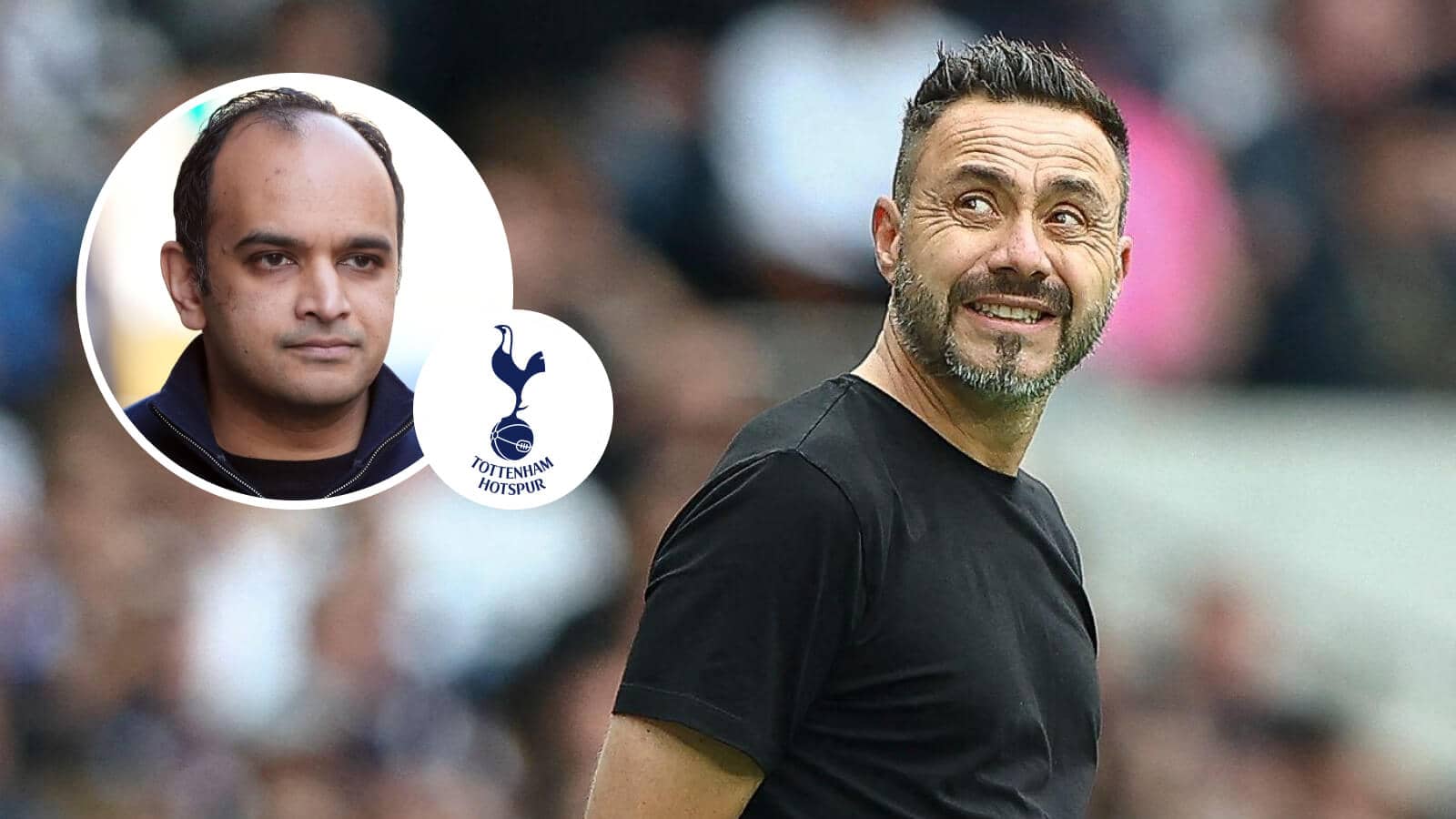
As of July 22, 2026, Tottenham Hotspur occupies the top spot on the summer expenditure charts. This is not a slight lead or a minor discrepancy caused by performance bonuses. Tottenham remains the statistically heaviest spender of the 2026 window, distancing themselves from the chasing pack with aggressive recruitment designed to fit Roberto De Zerbi’s specific tactical requirements.
The club has consistently prioritized immediate personnel over long-term squad equilibrium. We see this in the confirmation that Middlesbrough has secured a club-record agreement for Will Lankshear, a move that clears space while signaling a ruthless streak in the club’s current decision-making. Spurs are not merely adding depth; they are purging the roster to finance a high-velocity shift in playstyle.
The De Zerbi influence on internal migration
The coaching staff is undergoing as much of an overhaul as the starting eleven. The departure of Andrew Crofts to join De Zerbi at Tottenham provides a clear indicator of the manager’s influence over the boardroom. Bringing his trusted lieutenants from Brighton is a classic move for a manager demanding absolute buy-in from the jump.
However, the data suggests this centralizing of power carries significant risk. While five Premier League clubs are currently dominating the spending league, the presence of AC Milan and Bayern Munich as the only non-English outliers confirms a narrowing market for top-tier talent. By concentrating so much capital into one window, Tottenham is effectively burning their runway for subsequent adjustments.
Analyzing the expenditure trap
Consider the market volatility represented by the trending summer transfer list. With Rogers moving to Chelsea as the top deal, the valuation of mid-to-upper tier players is ballooning. Tottenham’s aggressive spending, as detailed in recent market analysis, implies an expectation of immediate trophy returns that the current squad depth might not actually support.
There is a distinct lack of long-term hedging in this strategy. If this squad fails to gel within the first 15 matches of the season, the club will find themselves in a precarious financial position. We have seen this cycle before, where high outgoings fail to translate into domestic dominance, leaving the manager to navigate a hostile internal situation without the budget flexibility to course-correct.
The statistical reality of the transfer window
Despite the optimism surrounding the manager's recent transfer hints, the numbers paint a starker picture. The club is operating in a state of high-beta finance, sacrificing defensive stability for what De Zerbi describes as essential evolution. Evolution is a expensive word in the modern market.
The reality is that spending the most does not equate to the highest efficiency. If the goal is a top-four finish, the 2026 summer window will be remembered as the moment they either built a juggernaut or mortgaged their future for a tactical experiment. For now, the ledger shows a club pushing all their chips to the middle of the table, leaving them little room for error when the season kicks off in earnest.
Read Next
- Spurs and Forest face reality checks in Tuesday friendlies
- Man United’s summer transfer chaos is setting us up for another disaster
- Chelsea just lit 117 million pounds on fire and the internet is laughing
- Marcus Rashford’s move to London is the wrong gamble for everyone
- 🏆 Europa League Final 2026 — Full Coverage Hub