The Cost of Disciplinary Decisions
In international football, the number two carries weight. Whether it is a two-game suspension altering a tournament trajectory or the inexplicable banning of match officials, these incidents dictate the headlines. The events of July 2026 demonstrate how administrative rulings can overshadow the actual ninety minutes on the pitch.
The Rankings
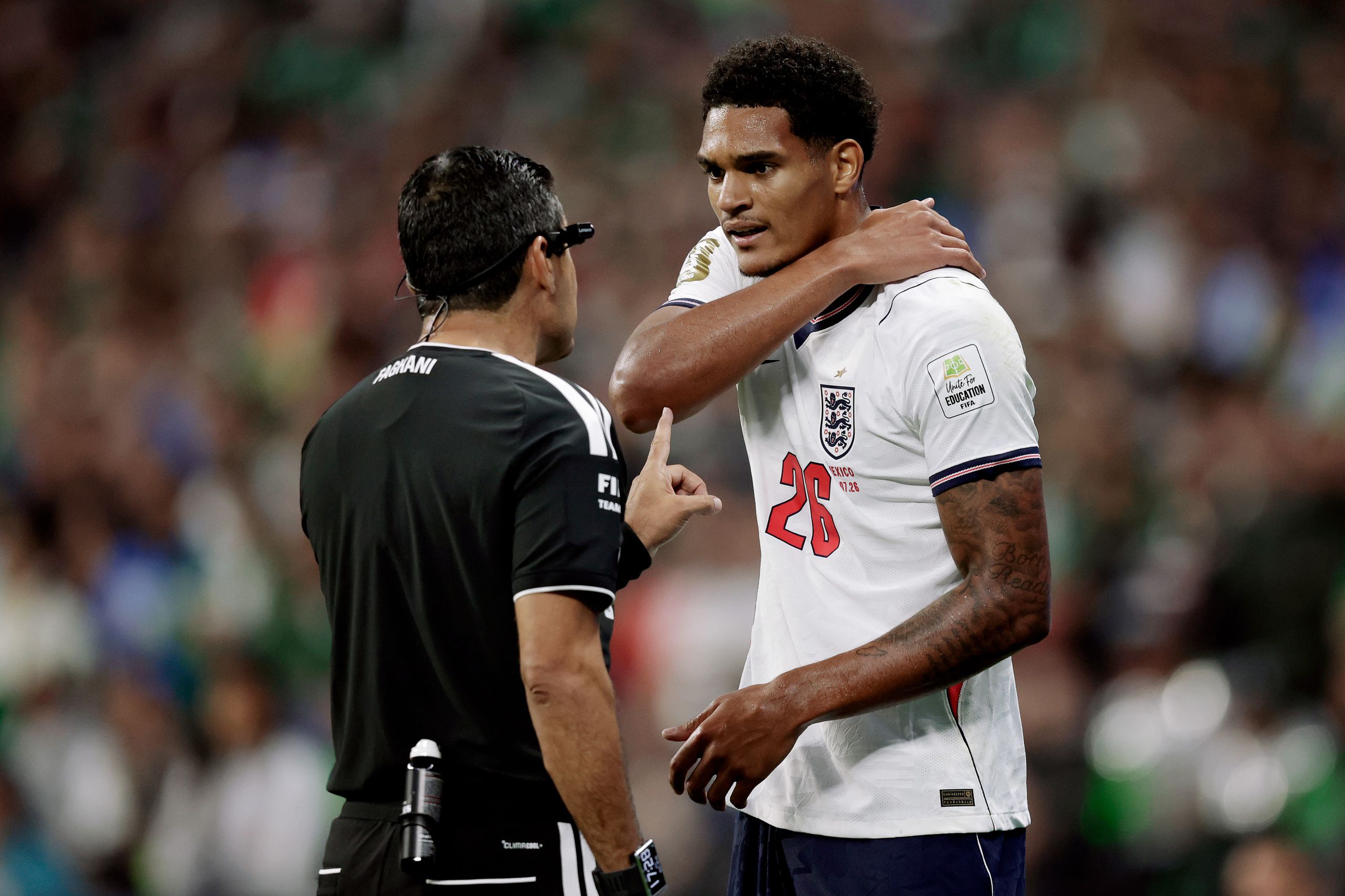
- Jarell Quansah's Two-Match Suspension: The decision to sideline the England defender for two games following his red card against Mexico is a massive tactical blow. While fans anticipated the standard one-match ban, FIFA deemed the sliding challenge serious foul play. He will now miss the quarter-final and a potential semi-final. This ruling, reported by various outlets, leaves Gareth Southgate scrambling for defensive depth. The rigidity here suggests FIFA wanted to make an example of the incident regardless of the match context.
- The Two USA Officials Banned for Belgium Clash: FIFA’s quiet removal of two match officials following the Belgium fixture remains a black box of institutional secrecy. Little is known about the specific nature of their errors or why the governing body acted so covertly. The mystery surrounding these individuals undermines the transparency of VAR review processes. It leaves supporters questioning whether officiating standards are actually keeping pace with the tournament intensity. As noted in recent reports, fans have little recourse for answers when regulators operate in the shadows.
- Mexico’s Defensive Vulnerabilities in the 3-2 Loss: Conceding three goals to England effectively highlights the structural issues within Mexico’s backline. While the match grabbed headlines for the Quansah red card, the defensive fragility shown by El Tri was arguably more damaging to their long-term prospects. Failing to capitalize on a man advantage late in the game was a tactical failure. Their inability to hold the line during counter-attacks was glaring.
- The Two-Goal Deficit Overcome by England: England’s ability to recover from setbacks shows grit, but their reliance on late rallies is unsustainable. Winning 3-2 after a chaotic second half requires more than just individual brilliance from the frontline. The defensive instability exposed here will be punished severely by more clinical opposition. Relying on comebacks is a dangerous habit for any tournament favorite to adopt.
- FIFA’s Inflexible Disciplinary Framework: The handling of the Quansah red card confirms that the governing body prioritized a strict interpretation of the rules over nuance. By refusing to show even a modicum of leniency, they have sparked a debate about the consistency of refereeing at the 2026 tournament. The lack of clear communication between the board and the public remains a recurring nuisance. Consistency should be the gold standard, not harshness.
- England’s Defensive Depth Testing: With Quansah out for two games, the fringe players are thrust into the spotlight. If these reserves fail to step up, the Three Lions could see their tournament end before the final. It is a classic sink-or-swim scenario for the bench during the most intense phase of the World Cup. Whether the rotation works will define the next week of footballing conversation.
- The VAR Intervention Delay: The agonizing wait for the VAR review that led to Quansah’s dismissal ruined the flow of the match against Mexico. While officials must get the call right, the time investment disrupts the rhythm of the game. It is a negative for the spectator experience when the game grinds to a halt for minutes on end. We are moving toward a period where the technology inhibits the sport instead of serving it.
- The Twofold Pressure on England’s Management: Southgate faces two distinct challenges following the suspension: filling the void in defense and maintaining squad morale. Balancing these requirements while preparing for the quarter-finals is a massive burden. Any miscalculation here will be viewed as a leadership failure. The pressure to succeed without key personnel is immense.
- Public Skepticism Toward Officiating: Trust in tournament integrity is at a low point due to opaque decisions like the official bans and the Quansah suspension. When the rules feel arbitrary, they invite cynicism from the fanbase. The lack of public statements regarding the American officials has only added fuel to the fire. It is time for FIFA to address these controversies with actual facts rather than silence.
- The Fragility of Tournament Favorites: The events of the last two days prove that any team can be rattled by officiating or disciplinary rulings at any time. England’s near-miss against Mexico shows that even top-tier sides are one bad VAR check away from a disaster. The margin for error in knockout international football is 0 percent. It is a cold reality for every remaining team.
The Big Picture
Tournament football is a delicate high-wire act where disciplinary volatility can derail months of preparation in a single VAR check. England must navigate the remainder of the bracket without their primary defensive anchor, forced to rely on depth that has yet to be truly tested under pressure. FIFA’s recent heavy-handedness, juxtaposed with the bizarre silence on referee suspensions, has left the tournament’s administrative side mired in skepticism.
Honorable Mentions
Credit must go to the Mexico attack for providing the initial spark that forced the VAR review, even if their own defense ultimately leaked 3 goals. Special mention to the logistical nightmare of the tournament planners, who now must deal with the optics of banning officials while simultaneously explaining the 2-match ban logic to the media.