The defining shifts in modern football
Modern football history is measured in rapid-fire tactical evolutions and seismic managerial shifts. These ten moments represent the inflection points where the game fundamentally changed shape.
The current state of the sport is defined by high-intensity pressing and aggressive transition play. We are documenting the incidents that forced every major league to adapt or fall behind.
1. Leicester City wins the Premier League (2016)
Claudio Ranieri’s side achieved the most improbable feat in English football history with 5000-1 odds. They proved that low-possession, counter-attacking football could dismantle the established elite. The tactical blueprint relied on N'Golo Kante’s immense defensive range and Riyad Mahrez’s creative flair. It remains the standard-bearer for sporting disruption.
2. The Barcelona-PSG 6-1 Remontada (2017)
Barcelona overturned a four-goal deficit in a single Champions League tie through sheer chaotic momentum. Sergi Roberto’s late finish at the 95th minute destroyed any conventional wisdom regarding aggregate leads. It served as a reminder that psychological fragility is often the primary factor in high-stakes European football. The match stands as the absolute peak of late-game drama.
3. The rise of Matthias Jaissle at Newcastle (2026)
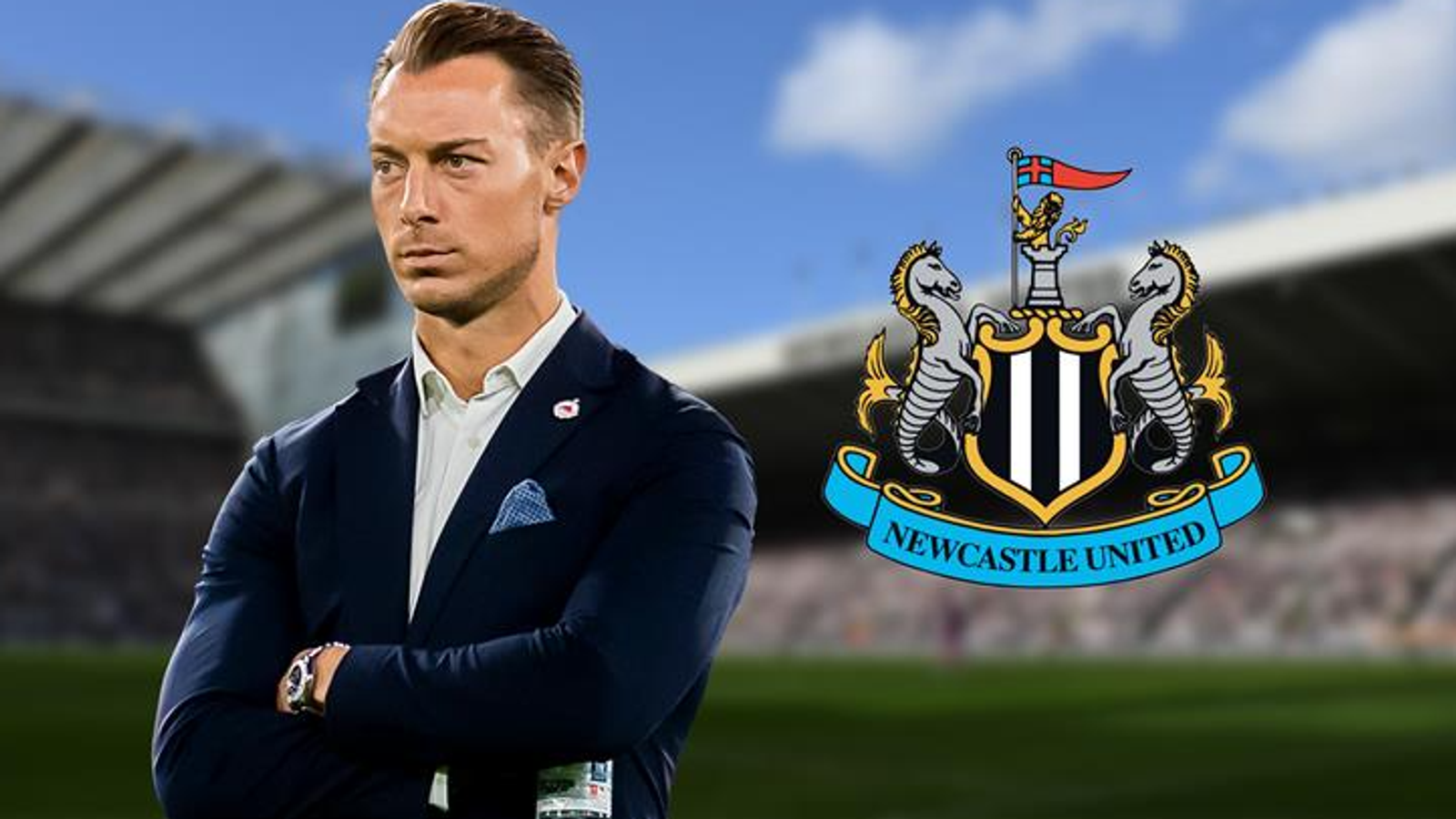
The recent appointment of Matthias Jaissle to succeed Eddie Howe signals a drastic shift in Newcastle United’s trajectory. As Sky Sports confirmed on August 5, 2026, the board is pivoting toward a European-style high-press model. This move effectively ends the Howe era at St. James' Park. It is a risky gamble on continental youth-centric tactics over proven domestic experience.
4. Germany 7-1 Brazil (2014)
This match shattered the myth of Brazilian home-soil invincibility in a single afternoon. Germany executed a systemic, clinical dismantling that left a nation in tears at the 7-1 final whistle. It fundamentally changed how Brazil scouts and develops talent, prioritizing structure over individual flair. You simply do not see a collapse of this magnitude in international football anymore.
5. Argentina wins the 2022 World Cup
Lionel Messi finally secured the one trophy that defined his career longevity. The final against France showcased the highest possible level of individual and team intensity. Kylian Mbappé’s hat-trick kept France alive, but Argentina’s tactical flexibility eventually pushed them over the line. It serves as the closing chapter on the greatest era of individual dominance.
6. The introduction of VAR in the Premier League (2019)
The implementation of Video Assistant Referees permanently altered the rhythm of the game. While intended to correct officiating errors, it often creates more frustration than clarity. The constant delays for offside checks have dampened goal celebrations significantly. It is a flawed system that prioritizes technical accuracy over the flow of the match.
7. Liverpool’s 2019 Champions League comeback
Turning a 3-0 first-leg deficit against Barcelona into a 4-0 victory at Anfield displayed an elite mental fortitude. Trent Alexander-Arnold’s quick corner catch-out of the Barcelona defense was pure instinctual brilliance. It cemented Jurgen Klopp’s legacy as a manager capable of generating impossible energy. Few teams in history have mastered the home-field atmosphere like this Liverpool squad.
8. Real Madrid’s 2022 Champions League run
Madrid secured the trophy by repeatedly defying expected goals metrics throughout the knockout stages. They trailed in almost every match before mounting improbable late comebacks against PSG, Chelsea, and Manchester City. It showed that elite experience and clutch finishing can negate superior tactical systems. They were arguably outplayed for 270 minutes across the semis and finals, yet they still won.
9. The 2021 Super League collapse
The attempt by twelve clubs to break away from the UEFA structure lasted less than 48 hours. Mass fan protests forced a swift retreat that proved supporters still hold functional power over club ownership. It exposed the disconnect between executive ambition and sporting tradition. The fallout led to stricter regulatory oversight regarding how clubs manage fan relations.
10. The rise of the inverted fullback
Pep Guardiola’s adaptation of John Stones into a hybrid defender-midfielder changed how teams build from the back. By crowding the center, teams can overload the opposition’s midfield press effectively. It has rendered the traditional overlapping fullback obsolete in modern elite systems. This tactical evolution has forced mid-table clubs to adopt complex rotation schemes just to remain competitive.
Honorable Mentions
The 2020 pandemic-impacted season remains a strange asterisk in the record books. Zlatan Ibrahimovic’s return to AC Milan provided a massive boost to the Serie A profile. Harry Kane’s departure to Bayern Munich highlighted the English talent drain toward continental giants. Each of these events played a role in shaping the current competitive environment.