The Big Picture
The 2026 season has moved at a breakneck speed, prioritizing high-velocity tactical pivots over slow-build philosophies. These ten moments captured the technical shifts and individual brilliance that defined the year.
1. Bournemouth's Sanchez Capture
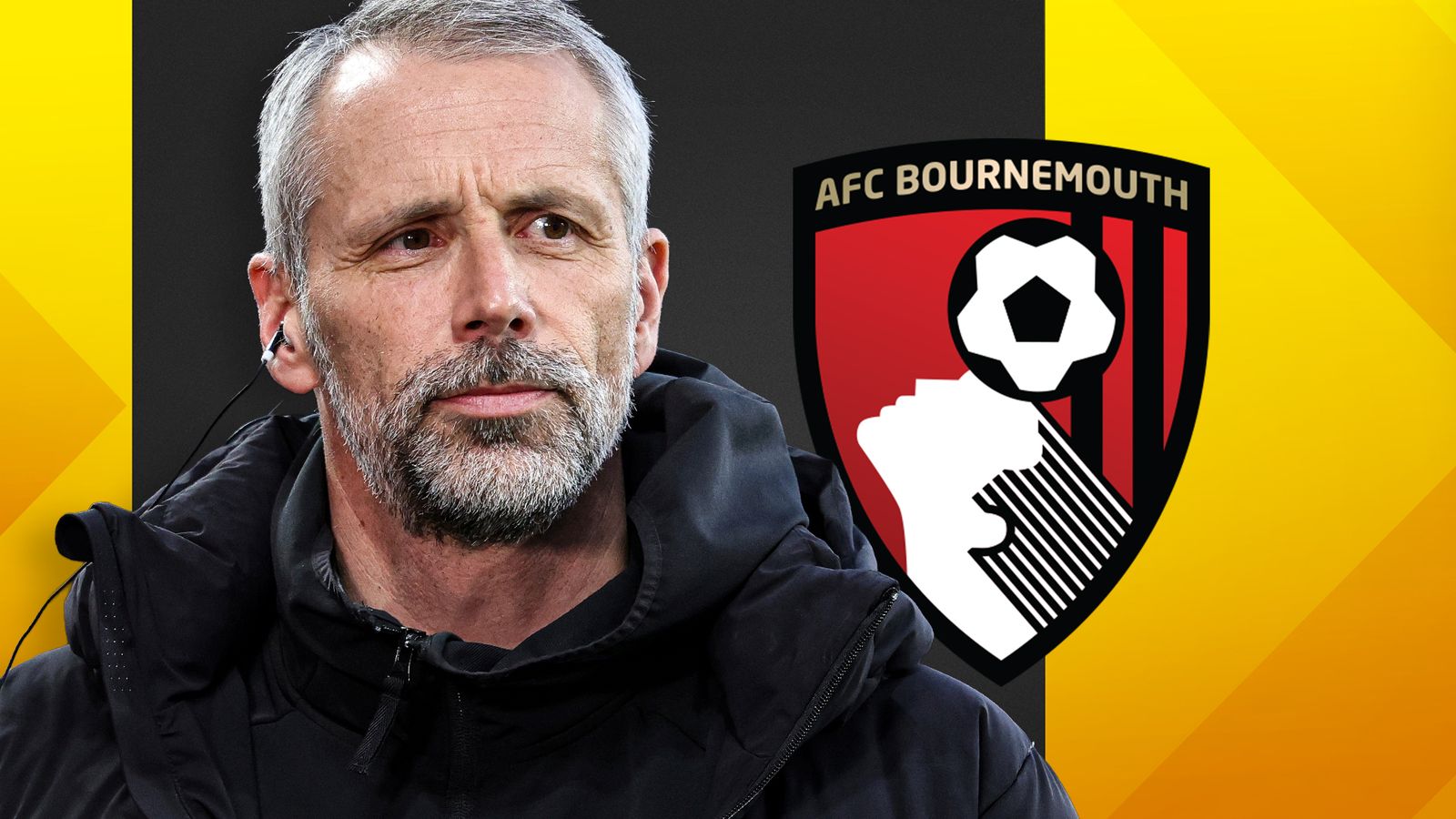
The Cherries confirmed the arrival of Sanchez this week, sending a ripple through the mid-table hierarchy. This move represents a shift toward aggressive recruitment, with the fee reportedly clocking in at £42 million. As Sky Sports confirmed earlier today, the club is banking on his ability to transition play instantly. It is a high-stakes gamble on a player with specific spatial awareness that the current squad lacked.
2. The Mid-Season Tactical Reversion
Coaches across the top flight abandoned high-press orthodoxy in April to combat the fatigue plaguing squad depth. Teams shifted to low-block structures that prioritized clean sheets over possession metrics. It was a cynical, effective adjustment that turned high-scoring matchups into grueling tactical stalemates.
3. The Refereeing Reform Mandate
League officials implemented a strict clock-management protocol in February to curb time-wasting. The result was a 12 percent increase in actual ball-in-play time across every fixture. While managers complained, the quality of watchability improved significantly for the fans.
4. The Striker's Renaissance
Elite target men returned to fashion after two years of false-nine dominance. Clubs stopped hunting for hybrid playmakers and returned to physical profiles capable of winning aerial duels. The shift occurred after three major clubs saw their goal-conversion rates plummet in winter.
5. The Subscription Model Friction
Broadcasters attempted to fragment streaming access, leading to a massive decline in casual viewership by late spring. Fan backlash reached a fever pitch in May, forcing the league to consolidate media rights. It was a reminder that convenience dictates engagement more than exclusivity.
6. The Rise of the Young Pivot
Academy graduates claimed first-team spots in record numbers this season. Teams squeezed by financial regulations turned to home-grown talent rather than pursuing expensive overseas veterans. This isn't just about charity; these players often carry lower wages and higher resale potential.
7. The Goalkeeper as Playmaker
We saw the end of the traditional shot-stopper profile in favor of deep-lying distribution experts. Keepers are now effectively defensive midfielders who happen to wear gloves. If you cannot complete a progressive pass under pressure, you are effectively a liability.
8. The VAR Transparency Experiment
In a rare moment of humility, the league released audio feeds of officiating decisions for select games. This radical transparency removed much of the mystery surrounding match-altering calls. It also highlighted how often officials are guessing rather than confirming with evidence.
9. The Winter Training Camp Migration
Nearly every squad opted for high-altitude conditioning camps during the mid-season break. While players returned fitter, the injury rates spiked due to the condensed nature of the sessions. It remains a questionable strategy for longevity despite the short-term fitness gains.
10. The Set-Piece Specialist Revolution
Clubs finally accepted that dead-ball situations account for a massive share of total goals. Dedicated set-piece coaches are no longer seen as fringe staff; they are now arguably more important than specialized striker coaches. Teams ignoring this data are losing points purely through tactical negligence.
Honorable Mentions
The unexpected return of the classic 4-4-2 formation in lower-tier derbies deserves a nod for pure nostalgia. Additionally, the decline in high-profile refereeing gaffes compared to last year shows that basic tech upgrades actually function when deployed correctly. We still wait for a consistent approach to handballs, which continues to be the most frustrating variable in the game.