The Big Picture
Football is defined by the narrow margins between glory and regression. We are currently analyzing the most impactful sequences from a year that forced teams to prove their sustainability beyond a single miraculous campaign.
1. Falkirk’s Undefeated Surge
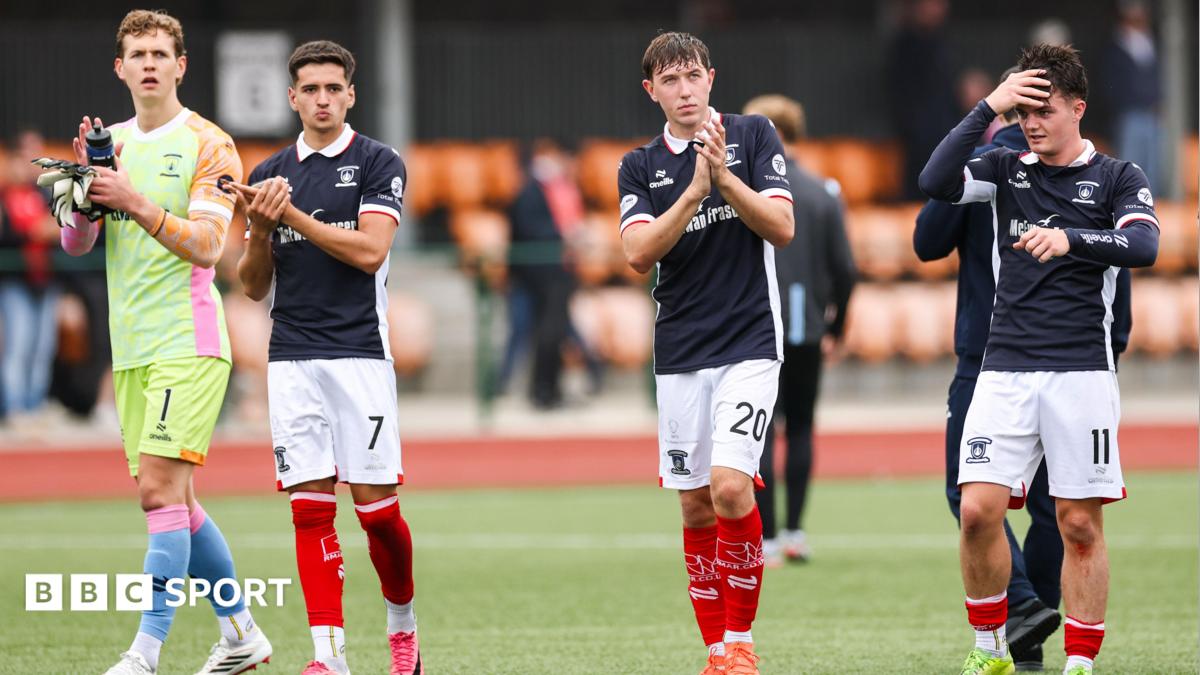
Falkirk dominating League One with an undefeated record remains the gold standard for tactical efficiency in 2026. John McGlynn built a system that refused to break, effectively stifling every opponent in the tier. It ranks number one because of the sheer consistency required to avoid a single loss over a full calendar stretch. Their ability to repeat this dominance is the ultimate litmus test for the upcoming term.
2. The Tactical Shift at the Top
Mid-season tactical adjustments across the Championship reshaped the promotion race deeper into the spring. Managers moved away from rigid formations toward fluid, three-man backlines that overwhelmed defenses caught in transition. This shift forced every bottom-table side to park the bus or suffer lopsided defeats. The technical evolution we witnessed in these months set the tempo for modern play.
3. The Persistence of McGlynn
Managerial stability is an endangered trait, yet John McGlynn navigated a perfect season while confirming the second year is a challenge. He openly admits that now, the opposition will treat his side with heightened intensity and tactical preparation. It takes guts for a boss to temper fan expectations while sitting on a historic unbeaten run. This pragmatic outlook is exactly why his squad continues to overperform.
4. Late-Winner Fatigue
A staggering share of games this season ended with goals scored past the 90th minute. This trend highlights a decline in standard match fitness during the winter period, leading to sloppy defensive lapses. While thrilling for neutrals, the lack of discipline in closing out games suggests a deeper issue with modern training load management. Teams that mastered the energy dump in injury time surged up the table purely on grit.
5. The Goalkeeper Revolution
Sweeper-keepers became mandatory, not optional, this season. We saw a noticeable spike in high-line defensive setups that relied on keepers functioning as auxiliary center backs. The failed experiments were brutal to watch, often leading to comedy-of-errors goals from 40 yards out. Success hinges on a keeper’s ability to read the trap, not just block a shot.
6. The Rise of the Youth Academy
Scouts finally prioritized high-IQ prospects over sheer physical metrics this cycle. Clubs that invested in local academies saw immediate dividends as cheap, hungry talent replaced expensive veteran flops. It is a necessary correction after years of bloated wage bills at the mid-table level. The ROI on these technical products has shifted the transfer market dynamics for all involved.
7. Defensive Line Compression
Blocks moved significantly higher up the pitch, squeezing the middle of the field into a claustrophobic mess. This killed creativity for static playmakers who failed to adapt to the constant pressure. Only players with elite one-touch passing could survive the resulting congestion. It made for ugly football, but strictly effective coaching.
8. The VAR Friction
Review delays reached an all-time high in duration and controversy this season. Fans are tuning out during the three-minute pauses that break the flow of the match for minor offside checks. The officiating standard dropped significantly as refs deferred to technology rather than trusting their eyes. It remains a massive technical bottleneck for the sport’s broadcast growth.
9. Long Ball Resurgence
Faced with the high press, many teams reverted to route-one tactics as a low-risk outlet. It wasn't pretty, but it neutralized the sophisticated traps set by possession-obsessed managers. Seeing traditional aerial duels return to center stage reminded us that football physics eventually trump coaching theory. Sometimes, size and trajectory are the most disruptive tools available.
10. The Set-Piece Specialist
Dead-ball routines earned more points than open-play brilliance in the final month. Teams hired dedicated coaches just to map out flick-ons and back-post runs, a trend that is clearly here to stay. It is the most efficient way to win when the quality of play in the final third stagnates. Efficiency beats flair in every single league table.