The Big Picture: Chaos and Evolution in 2026
The 2026 World Cup has blown past every pre-tournament expectation, delivering a cocktail of tactical shocks, administrative warfare, and jaw-dropping upsets. While traditional heavyweights struggled to adapt to new climates and systems, off-pitch politics threatened to derail the sporting integrity of the tournament. This ranking tracks the defining events of the competition, separating the genuine strategic shifts from the momentary distractions.
The Top 10 Moments of the 2026 World Cup
10. The Opening Ceremony at SoFi Stadium
The opening ceremony in Los Angeles was a masterclass in American excess, but it ultimately highlighted the deep cracks in local preparation. While the multi-million dollar light show and star-studded musical performances wowed corporate guests, real fans spent the opening hours stuck in gridlocked traffic miles from the stadium. Planning was a disaster. It ranks last on our list because the glittery spectacle could not mask the total logistical failures of the organizing committee. This moment set a worrying precedent of prioritizing television broadcast aesthetics over the actual experience of match-going supporters.
9. Onana's World Cup Ends in Seattle Injury Disaster
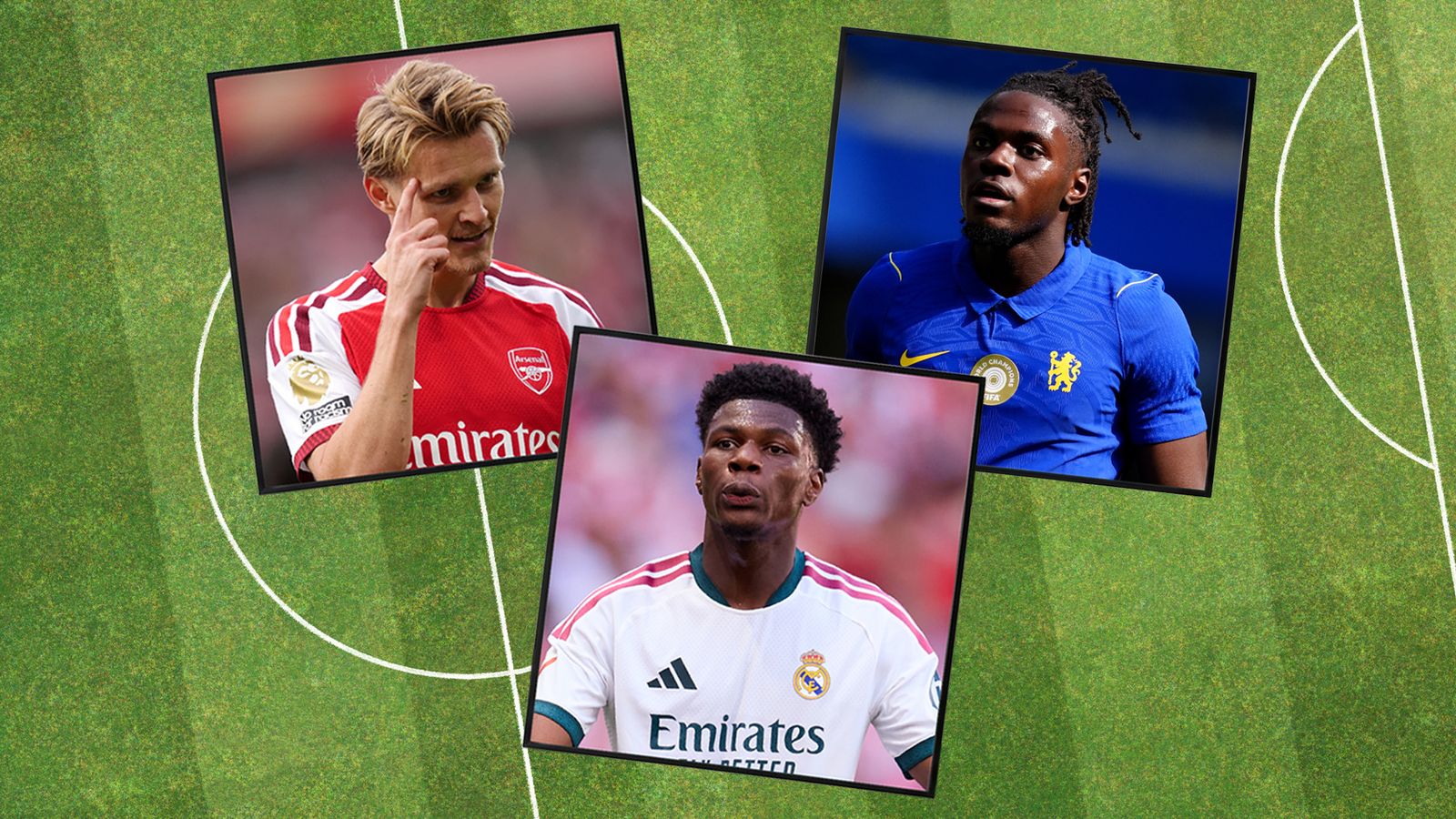
Belgium's midfield engine Amadou Onana suffered a devastating right knee injury that sent shockwaves all the way back to the Premier League. The Aston Villa midfielder went down in the 19th minute of the Round of 16 clash, eventually limping off in the 21st minute with a ruptured anterior cruciate ligament. This injury ranks above the opening ceremony because of its long-term sporting consequences for both club and country. Villa's season is compromised. It forced Aston Villa to immediately rip up their summer plans, as reported by Sky Sports.
8. The Administrative War Over Balogun's Red Card
The tournament devolved into political theater when FIFA decided to lift the automatic one-match suspension for US striker Folarin Balogun. The governing body's decision followed intense lobbying from American political figures, prompting a furious backlash from European football leaders. UEFA went to war. As The Guardian reported, FIFA disciplinary chair Mohammad Al Kamali struck back by accusing UEFA of hypocrisy, pointing to European domestic leagues that regularly overturn red cards. It ranks eighth because, while the administrative battle was fascinating, it set a dangerous precedent for political interference in sporting discipline.
UEFA labeled the decision "unprecedented, incomprehensible and unjustifiable" after the suspension was lifted.
7. Japan's Pressing Masterclass
Japan provided the most impressive tactical display of the group stage by dismantling their opponents with a relentless, coordinated defensive block. Their ability to trigger traps and win possession high up the pitch made European giants look slow and outdated. It was absolute chokehold football. This tactical triumph ranks above the Balogun administrative drama because it shifted the conversation back to elite football execution. The blue shirts proved that structured collective pressing can completely shut down teams relying on individual superstar talent.
6. The Miami Mid-day Heat Crisis
Extreme environmental conditions became a primary storyline in Florida as matches in Miami turned into dangerous battles against severe humidity. Mid-day kickoffs left world-class athletes collapsing on the pitch from physical exhaustion, drawing sharp criticism from medical staffs. Player safety was ignored. This ranks sixth because it was a self-inflicted failure by organizers who prioritized lucrative television slots over player safety. The oppressive heat severely degraded the quality of play, turning fast-paced contests into slow, defensive struggles.
5. The South American Underdog Surge
Ecuador and Peru captured the tournament's spirit by securing massive results against traditional European powerhouses. Both nations relied on intense physical endurance and low defensive blocks that completely frustrated highly-paid attackers. They played with blood and fire. This collective surge ranks fifth because it shattered the assumption that European leagues hold an unbreakable monopoly on elite football quality. The underdog success stories showed how structured defensive organization can neutralize vast differences in squad valuation.
4. Belgium's Demolition of the Host Nation
Belgium ended the host nation's tournament hopes with a clinical 4-1 blowout in Seattle. Charles De Ketelaere scored in the 9th and 33rd minutes to silence the crowd before Hans Vanaken and Romelu Lukaku sealed the victory. The Americans were outclassed. This match ranks fourth because it was the most dominant sporting performance of the knockout rounds. While Malik Tillman managed a consolation goal for the hosts, the US defense was completely shredded by Belgium's rapid transitions.
3. VAR Breakdown in the Round of 16
Officiating standards reached a new low during the Round of 16, where multiple matches were disrupted by inconsistent video review decisions. Fans in the stadiums were left in the dark as referees took minutes to review clear situations without any public explanation. The system broke down completely. This systemic breakdown ranks third because it directly altered the outcomes of several matches and damaged the tournament's credibility. Critics argued that the current implementation of technology is making the sport less readable and more frustrating.
2. The Azteca Cauldron
The atmosphere in Mexico City during the group stage was a reminder of why the World Cup remains the pinnacle of global sport. A wall of sound at the Estadio Azteca shook the venue, driving the home side forward with deafening energy. It was pure stadium theater. This ranks second because it demonstrated the immense power of home advantage, affecting the decisions of referees and the confidence of opposing players. It was a refreshing contrast to the quiet, sterile stadiums seen in other host cities.
1. The Death of the Traditional Number Ten
The absolute defining feature of this tournament has been the complete disappearance of the classic, slow-paced playmaker. Elite teams have shifted entirely toward high-intensity, man-marking systems that require every player to cover massive distances. The classic playmaker is dead. This tactical evolution ranks first because it marks a permanent change in how football is played at the highest level. Midfielders who cannot press or defend have been completely phased out in favor of athletic, box-to-box runners.
Honorable Mentions
Several other moments narrowly missed the cut but deserve recognition for their impact. These instances highlighted individual brilliance and dramatic finishes that kept fans on the edge of their seats.
- The Ghana-South Korea Thriller - A late winner in the final seconds of their group match showcased incredible technical skill under extreme pressure.
- Australian Goalkeeping Heroics - Multiple critical saves in a penalty shootout kept the tournament dreams alive for the underdogs from down under.
- Canada's Historic Goal - The co-hosts scored their first-ever World Cup point on home soil, sparking nationwide celebrations in Toronto.
Read Next
- Spain's record-breaking defence is ready for the winner of USA vs Belgium
- Spain are the most fun team at the World Cup but their defense is a ticking bomb
- Chris Sutton is betting against England, and honestly, I get it
- Spain's perfect defense is about to face its ultimate test against Belgium
- 🏆 World Cup 2026 — Full Coverage Hub