The Big Picture
The 2026 World Cup group stage has concluded, delivering a brutal continental shift that has left traditional hierarchies in ruins. While African nations staged a historic coup by achieving a 90% progression rate into the Round of 32, traditional Asian powerhouses collapsed under the weight of executive incompetence. These ten moments defined the drama, the tactical blunders, and the history-making brilliance of a wild fortnight in North America.
The Top 10 Moments
1. Lionel Messi's Historic Free Kick Against Jordan
The Argentine magician broke Miroslav Klose's record with his 18th World Cup goal against Austria on June 22. His 19th, a sensational free kick in the 80th minute against Jordan on June 27, was pure genius. Coming off the bench, Messi secured a 2-1 victory and became the first player to score in seven consecutive World Cup matches. This milestone ranks first because it cements his status as the greatest tournament scorer in history with a cumulative total of 19 goals. It easily eclipses Cape Verde's collective heroics through sheer individual greatness on the global stage.
2. Cape Verde Holding Spain to a Stalemate
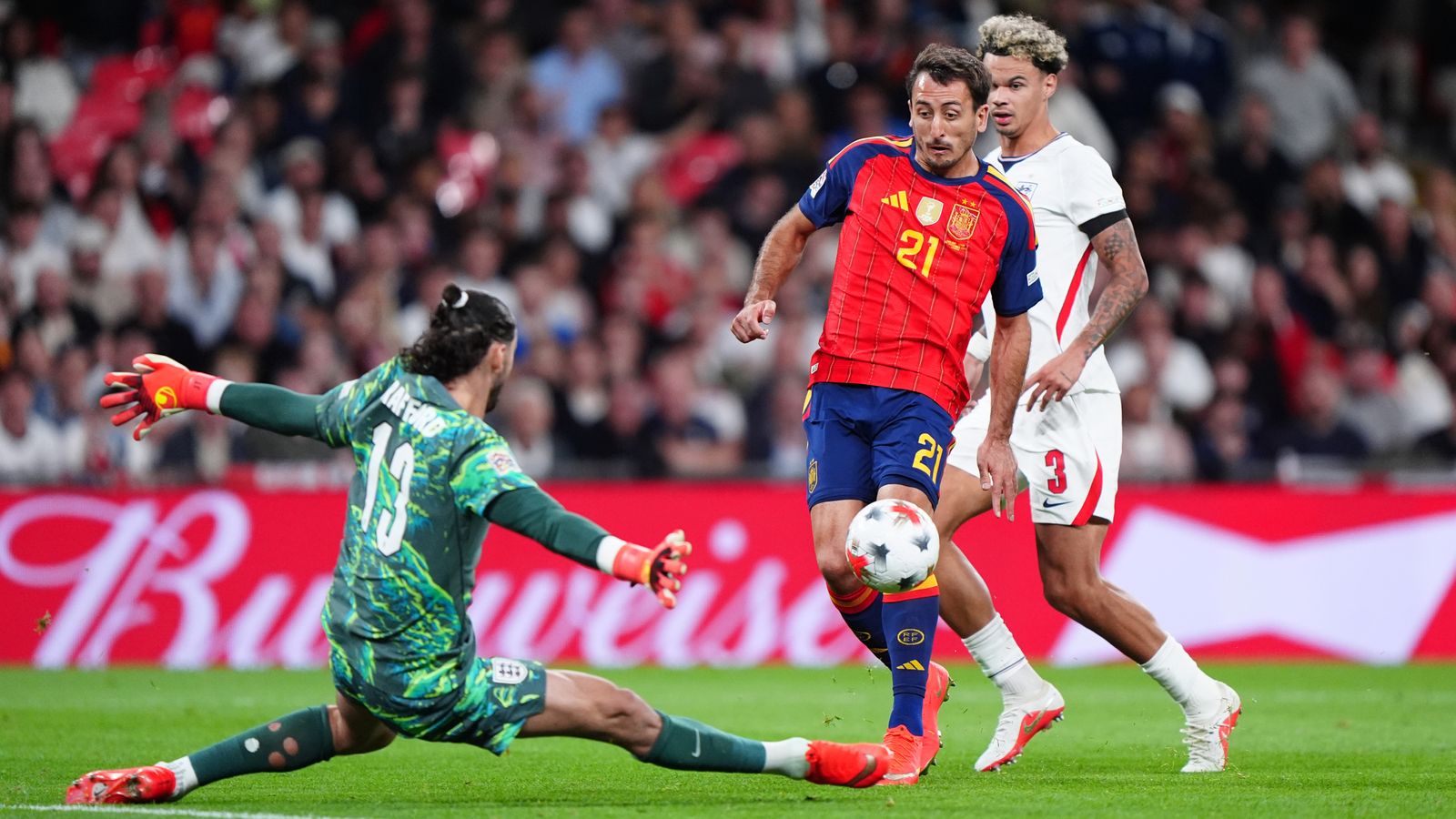
Group H was supposed to be a stroll for European royalty, but Cape Verde tore up the script on the opening matchday. The small island nation held a star-studded Spanish team to a shocking 0-0 draw, frustrating the former champions with a compact, disciplined defensive block. They backed it up by drawing 2-2 with Uruguay and 0-0 with Saudi Arabia to finish the group stage unbeaten. This run deserves the second spot because it proved the tournament's expanded format could produce elite competitive drama instead of diluting the quality. It ranks ahead of South Africa's upset because it was achieved against a global giant that dominated possession.
3. South Africa's Giant-Killing of South Korea
On June 24, South Africa pulled off the group stage's most devastating upset by defeating South Korea 1-0. The Taeguk Warriors needed only a single point to secure second in Group A but collapsed to a clinical counter-attack. The defeat pushed South Africa into the knockouts for the first time while plunging Korean football into immediate, public chaos, as a detailed investigation by BBC Sport revealed. This moment ranks third because it directly eliminated a regular World Cup knockout contender and shook the foundations of Asian football. It sits below Cape Verde's feat because South Korea was already fracturing internally, making them a more vulnerable target.
4. England and Croatia's Opening Six-Goal Thriller
The opening match of Group L was an absolute thriller as England fought back to defeat Croatia 4-2 in a high-stakes encounter. The Three Lions fell behind early to a crisp Croatian attack, exposing deep defensive flaws that will worry manager Gareth Southgate. However, England's forward line rallied with four unanswered goals before a late Croatian consolation settled the chaos. It ranks fourth because it was the most explosive and entertaining match of the entire group stage, showing that both teams are defensive liabilities. It sits below South Africa's upset because both of these European giants were still expected to advance.
5. Reece James' Hamstring Sacrifice Against Ghana
England's right-back dilemma took a dark turn on June 23 during a bruising match against Ghana. With England having used all their substitutions, Reece James suffered a hamstring injury during a grinding 0-0 draw but played through the pain to secure a point. The defender's sacrifice earned the draw but ruled him out of their final group match against Panama, leaving Chelsea and England with a massive void. This casualty ranks fifth because it directly crippled Gareth Southgate's tactical plans and exposed England's reliance on a player with a history of physical fragility. It ranks below the six-goal thriller because it was a moment of slow-motion heartbreak rather than explosive on-pitch excitement.
6. Hong Myung-bo Benching Son Heung-min Against South Africa
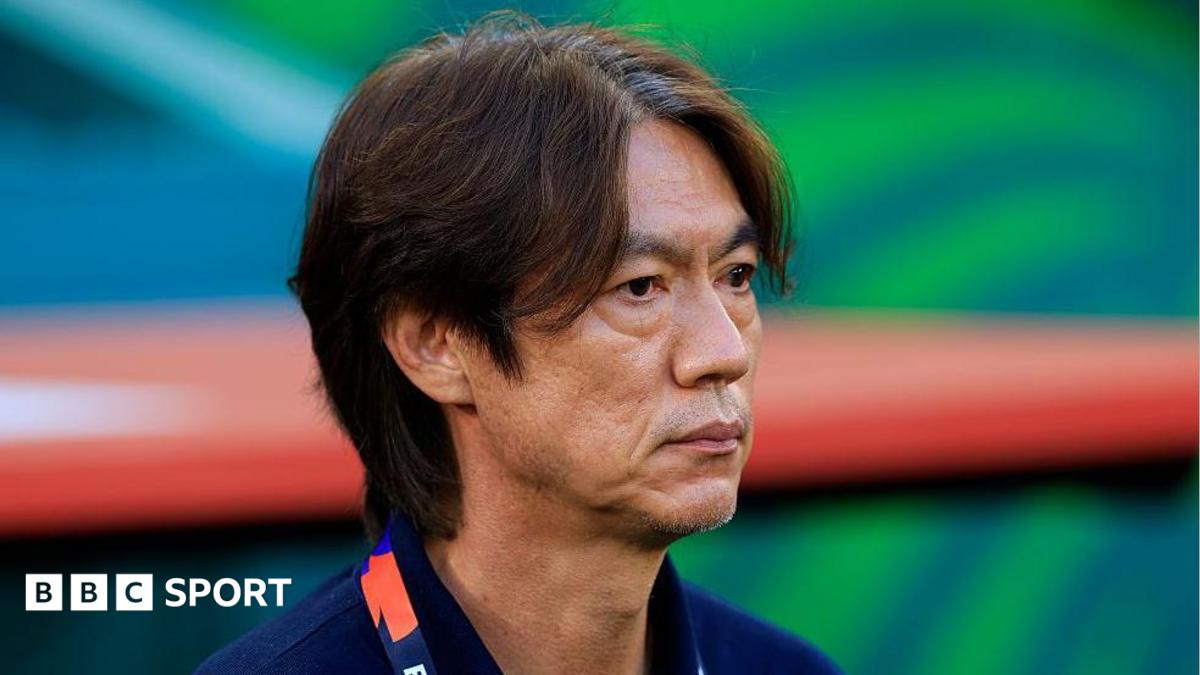
South Korea coach Hong Myung-bo made the disastrous decision to bench captain Son Heung-min against South Africa. Hong's tactical gamble failed catastrophically as his toothless side fell to defeat and crashed out of the tournament. The decision provoked furious fan backlash, drew public condemnation from former Manchester United star Park Ji-sung, and forced Hong's resignation, as reported by BBC Sport. It ranks sixth because it was the most high-profile coaching blunder of the tournament, directly costing a national team their place in the knockouts. It sits below Reece James' injury because it was entirely self-inflicted rather than a stroke of bad physical luck.
7. President Lee Jae-myung's Blasting of KFA Governance
Following South Korea's elimination, President Lee Jae-myung posted an extraordinary statement on Sunday. The leader blasted the KFA, blaming the exit on favouritism and cronyism. This unprecedented political intervention exposed the corrupt governance of the sport in Seoul and sealed the fate of KFA President Chung Mong-gyu. It ranks seventh because it showed how a sporting failure can instantly escalate into a national crisis, with the government stepping in to demand structural change. It sits below Hong's benching because it was a political reaction, not the pitch action that decided the team's fate.
8. Croatia's Five-Goal Thriller Over Ghana
With qualification on the line in Group L, Croatia and Ghana played out a breathless 3-2 epic. The Croatians took an early lead, but Ghana's physical presence allowed them to equalize twice before Croatia snatched a late winner. This match encapsulated the desperate, attacking football of the final group stage fixtures. It ranks eighth because it was a pure, high-stakes showcase of tournament drama, keeping fans on the edge of their seats. It sits below the presidential intervention because it was a standard match without any lasting political repercussions or administrative fallout.
9. South Korea's Media Boycott and Cancelled Airport Welcome
The relationship between South Korea's squad and domestic media completely shattered during the group stage. After reporters mocked Son Heung-min's military service exemption record, the players boycotted all domestic press duties. The hostility grew so toxic that the team's planned airport welcome ceremony at Incheon was cancelled, forcing players to return in secret. This ranks ninth because it illustrates the immense off-field pressure that poisoned their campaign from within. It ranks below Croatia's win because it represents off-field noise rather than direct, competitive play.
10. Chung Mong-gyu's Forced Resignation After 13 Years
KFA President Chung Mong-gyu announced he will step down after a turbulent 13-year tenure. Chung, whose family owns Hyundai, had controversially won a fourth term in February 2025 despite government investigations. His forced departure, according to analysis from BBC Sport, ends corporate dominance over Korean football and paves the way for structural reform. It ranks tenth because it is an administrative consequence rather than an on-pitch moment. It sits below the media boycott because bureaucracy moves slower than emotional drama.
Honorable Mentions
Several moments barely missed the cut, including Croatia's hard-fought victory over Panama. We also saw Japan's tactical masterclass continuing their long-term project, but their moments lacked the immediate chaos of South Korea's collapse. Ultimately, these margins are razor-thin in a tournament that has already rewritten the footballing hierarchy.
Read Next
- How the math of the 48-team World Cup broke the group stage
- Why Barcelona's chase for Harry Kane looms over England's World Cup run
- Bukayo Saka is running on empty and England fans are losing their minds
- Top 10: Top Moments of the 2026 World Cup Group Stage
- 🏆 World Cup 2026 — Full Coverage Hub
- 🇦🇷 Argentina World Cup 2026 — Defending Champions Hub