Logistical Nightmares and Timing Failures
Bad planning often ruins a spectacle faster than poor play on the pitch. Whether it is stadium accessibility, weather mitigation, or organizational oversight, the following events define the absolute bottom of football administration. These are the moments that left fans stranded, players confused, and organizations scrambling to control the fallout.
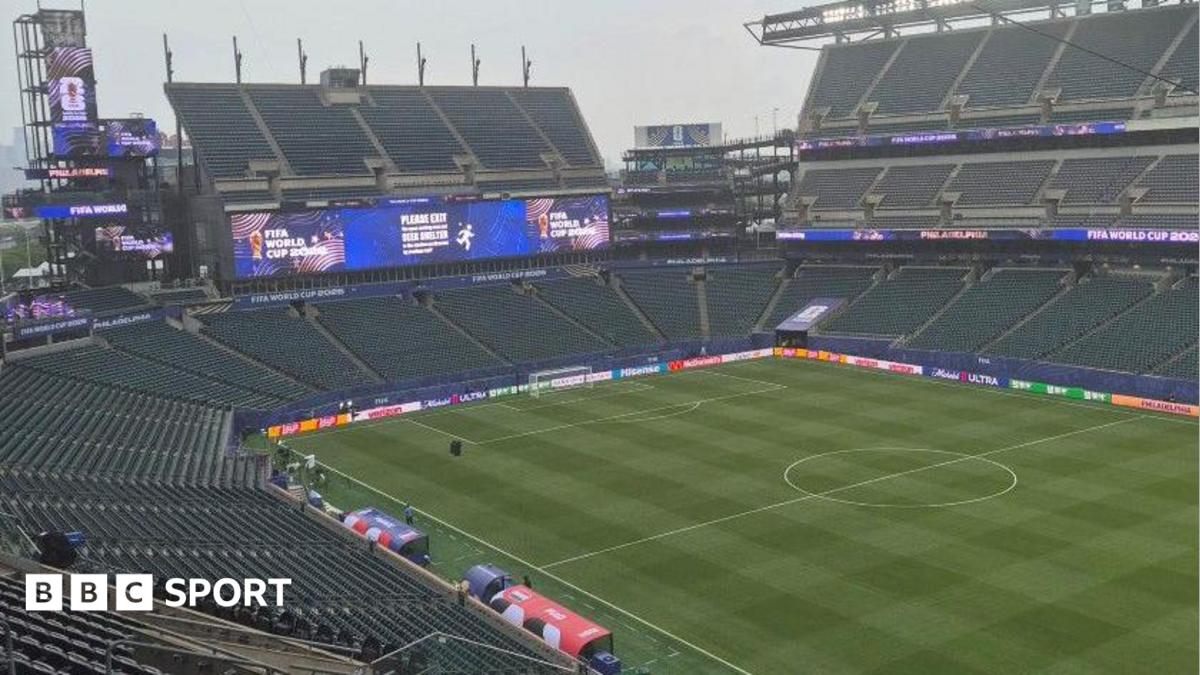
1. The France-Iraq World Cup debacle in Philadelphia. On June 22, 2026, the BBC reported that fans were explicitly warned not to travel to Philadelphia Stadium due to severe weather. The situation devolved into a chaotic mess of delayed entry and conflicting messaging from officials. What started as an inclement weather issue rapidly became an operational failure. It ranks first because denying ticketed fans access to a World Cup match is the ultimate failure state for an international governing body.
2. The 2022 Champions League Final in Paris. UEFA failed to manage entry protocols, leading to dangerous crowd crushing outside the Stade de France. Thousands of supporters were stuck behind closed gates despite holding valid tickets. The organizational breakdown was inexcusable for a showpiece event.
3. The 2019 Supercopa de España in Saudi Arabia. Moving a traditional Spanish tournament to the Middle East for financial gain alienated the core match-going fanbase. Logistically, it turned a domestic trophy into a broadcast-first product, ignoring the supporters who fuel the club's history.
4. The pitch surface at the 2002 World Cup qualifiers in various central Asian venues. Players were exposed to surfaces that resembled farmland more than professional pitches. Lack of regulation in field maintenance consistently endangered ankles and knees across several matchdays.
5. The 2008 community shield booking conflicts. Scheduling professional games during extreme heat waves in the UK without adequate hydration breaks caused player fatigue early in the season. It demonstrated a lack of basic physiological oversight by the FA.
6. The 2017 Cricket World Cup Qualifier clashes. While not football, the scheduling overlap with local regional leagues caused severe attendance issues for both sports. Over-saturation of major events in a single city center always ends in transport gridlock and frustrated fans.
7. The 2014 World Cup stadium construction rush in Brazil. Multiple venues remained incomplete or lacked necessary safety inspections mere days before opening kickoffs. It compromised the spectator experience and highlighted the massive mismanagement of infrastructure timelines.
8. The 2021 midweek kick-off times for European competition broadcasts. Moving games to accommodate global TV audiences meant local fans were forced to commute at 3:00 am on work nights. Revenue chasing has effectively cannibalized the local supporter base.
9. The 2010 World Cup Vuvuzela saturation. FIFA failed to regulate a stadium accessory that rendered the television broadcast unwatchable for millions. It was a failure to respect the audio experience of the global viewer in favor of local stadium tradition.
10. The 2019 International Champions Cup penalty shootouts. Deciding matches via shootouts before the match even begins is an gimmicky attempt to game the rules. It undermines the integrity of competitive play for the sake of marketing exhibition wins.
The Big Picture
Ultimately, these failures share a common thread: prioritizing bottom-line logistics or passive risk management over the actual fan experience. From the Philadelphia weather situation today to historical ticketing nightmares, the lesson is rarely learned. Organizations continuously view the stadium as a production studio rather than a venue, leading to the types of disasters listed above.
Honorable Mentions
The 2022 Qatar scheduling shift remains a point of contention for disrupting the domestic league calendars. Additionally, the recurring issue of pitch failure during the UEFA Nations League cycles proves that grass-growth technology still lags behind broadcasting technology. Both instances highlight that governing bodies are more comfortable managing controversy than preventing it.