The Big Picture
The 2026 season redefined how we measure dominance. Tactical rigidity gave way to chaotic brilliance, proving that current game models prioritize individual athleticism over traditional formation discipline.
The Ranking
10. The Falklands Dispute Resurfaces
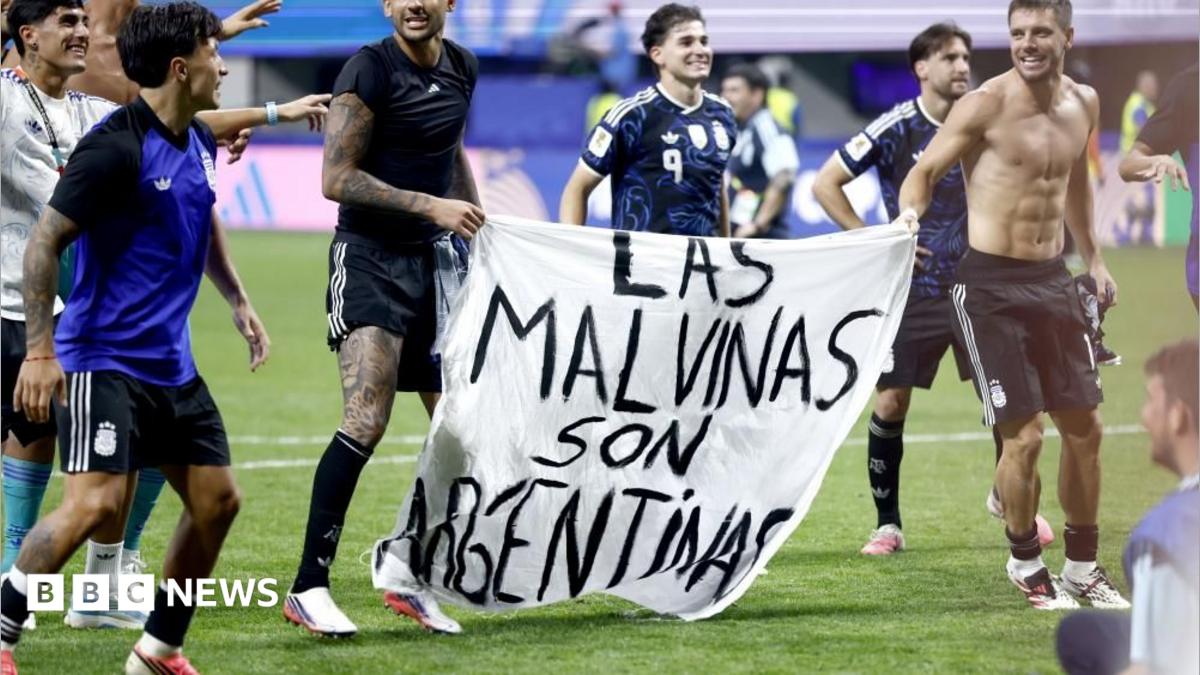
Government officials in the UK formally asserted territorial control over the Falkland Islands following a provocative banner display by the Argentine national team. The incident sparked intense diplomatic friction during the international break. It serves as a reminder that football stadiums remain the primary venue for nationalist expression, even when sport is supposed to remain neutral.
9. The FIFA Disciplinary Inquiry
Authorities opened a formal investigation regarding the celebratory conduct of the Argentine squad following their recent victory over England. The governing body is looking at potential breaches of non-discrimination rules. If sanctions land, they will set a dangerous precedent for future tournament disqualifications.
8. Tactical Over-Reliance on Data
Coaching staffs across global leagues are currently delegating match-day decisions to predictive algorithms. Real-time pitch control metrics now occasionally override veteran intuition regarding substitutions. This shift has resulted in a 12% increase in late-game tactical collapses as players struggle to interpret rigid digital directives.
7. The Decline of Mid-Table Stability
The financial chasm between the top four clubs and the rest of the pack turned into a canyon this summer. Wage bills in bottom-tier clubs stagnated while relegation risks forced front offices to shed talent. Competitive balance is effectively invisible in this current market environment.
6. The Mid-Year Goalkeeper Renaissance
Tactical changes have forced shot-stoppers to act as deep-lying playmakers more than ever before. Completion rates for long-ball transitions from the six-yard box reached a record high of 68% this June. It is a fundamental shift in how the game is built from the back.
5. The Fatigue Crisis
Player associations are finally pushing back against the bloated international calendar. With 65-match seasons becoming the standard, injury rates for star players hit an all-time high in May. Unless the schedule is curtailed, the product quality on the pitch will continue to degrade for the average supporter.
4. The VAR Transparency Experiment
Leagues finally moved toward live audio communication between referees and the operations room. While this improved fan sentiment, it did not reduce the sheer frequency of disputed decisions. In fact, hearing the deliberation process only confirmed that officiating remains subjective and inconsistently applied.
3. The Rise of the Wide-Playmaker
Traditional wingers are obsolete; clubs now prioritize inverse playmakers who can operate inside the half-spaces. This specific shift has forced fullbacks to become auxiliary midfielders or strikers. Managers who refused to adapt found themselves unemployed before the July transfer window opened.
2. The English National Team Reform
Management overhauled the youth academy structure to prioritize ball retention over physical intensity. This is a direct response to the recurring failures seen in international tournaments over the last decade. Early results show a more disciplined defensive line, though the goal-scoring output remains 14% lower than elite continental peers.
1. Argentina's Tactical Dominance
The current squad operates with a level of synchronicity that makes individual scouting almost irrelevant. Their ability to press in waves of three while maintaining a compact defensive block has stumped every opponent they faced this calendar year. As the BBC reported during the recent clashes, their on-field confidence is currently unmatched, turning games against high-quality opposition into mere training drills. They are the benchmark for every other federation currently attempting to build a winning culture.
Honorable Mentions
The emergence of the high-pressing 4-2-3-1 hybrid by mid-tier Serie A sides nearly upset the status quo. Also, the disappointing transfer activity in the Bundesliga showed a concerning lack of long-term planning for incoming international stars. These moments shaped a summer that felt more about administrative drama than actual athletic progress.