
Why Liverpool look like two completely different teams under Andoni Iraola
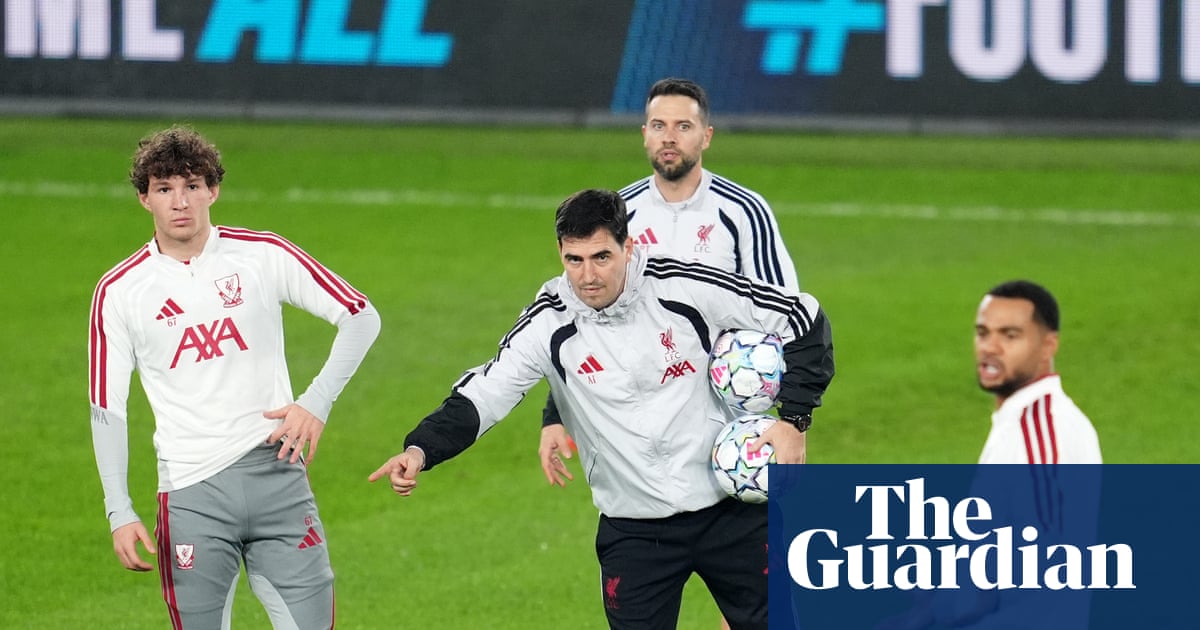
Nobody expected an Andoni Iraola team to suffer from terminal passivity in the final third. His managerial reputation was built on intense pressing, rapid transitions, and relentless vertical running. Yet against Arsenal on Sunday, Liverpool produced something historic for all the wrong reasons.
They finished the match with zero shots on target in front of their home supporters. As detailed when The Guardian reported on the fallout, Opta confirmed that has not happened to Liverpool in a home Premier League fixture since the 2003-04 campaign. It was an afternoon of sterile possession, harmless sideways circulation, and complete attacking paralysis.
The manager tried to project calm afterwards, but the broader domestic numbers are alarming. In the Premier League, Liverpool have collected just 11 goals in nine matches. That is the scoring rate of an outfit drifting in mid-table obscurity, not a powerhouse chasing titles.
Flip the calendar to Europe, however, and you witness an entirely different side. Liverpool have racked up 12 goals in three matches in the Champions League, maintaining a flawless 100% record and knocking on the door of the knockout rounds.
The contrast between their domestic bluntness and European fluidity is staggering. Iraola has publicly dismissed the split, calling comparisons premature this early in the campaign. But as Liverpool fly to Istanbul to face Fenerbahce, the manager knows he cannot afford another ninety minutes of toothless football.
The Anatomy of an Anfield Blank
Watching Liverpool against Arsenal was an exercise in pure tactical frustration. Iraola's side commanded territory for long stretches and forced Arsenal into a deep defensive shell. Yet having the ball inside the final thirty yards meant absolutely nothing without incisive movement.
Iraola diagnosed the issue directly. His players flooded the penalty area in numbers but stood waiting rather than creating angles.
“It is difficult when you lose but honestly I am happy with a lot of things from the other day. But we still need to improve, especially attacking the box. A lot of times we were there with the numbers but we were not making the proper runs and waiting for second balls. We put Arsenal under pressure and they defended well but I liked a lot of things.”
That critique was accurate, but it reflects on coaching. When five attackers crowd the penalty box against a low block, they do the defending team's job for them. They congest passing lanes and eliminate cutback angles.
Alexander Isak spent the afternoon smothered by Arsenal's centre-backs. Without blindside runs dragging defenders away, Isak had to contest static aerial deliveries. An elite striker who feeds on diagonal service into space cannot survive on scraps.
Jurriën Timber did pull Isak's shirt inside the box in the second half. To anyone watching live, it looked like a clear penalty. Yet the referee waved play on, and VAR stayed silent.
Iraola chose not to waste emotional capital pursuing an official explanation from Pro Ref. With only two days between Sunday's disappointment and the flight to Turkey, the manager opted to turn his attention straight to Fenerbahce.
“I didn’t ask for an explanation and I haven’t received an explanation, no,” Iraola explained. “I told you what I thought about the penalties at the time but, honestly, I don’t have the time. There is just two days between games and I have been preparing for Fenerbahce.”
Bemoaning the referee, though, would be a cheap cop-out. Failing to register a single shot on target across ninety minutes at Anfield is an indictment of attacking execution, not bad luck.
Domestic Grind versus Continental Freedom
Why does this Liverpool side look like a clinical scoring machine in Europe while sputtering domestically? The answer lies in the conflicting incentives of continental group play compared to the Premier League grind.
In the Champions League, opponents rarely sit in extreme low blocks for ninety minutes. Group stage fixtures incentivize attacking ambition, leaving wider passing channels across the pitch.
When opponents step out, Iraola's high press thrives. Liverpool win possession high, counter-attack disorganized defensive lines, and punish open space. That is how they dismantled their first three European opponents for 12 goals.
The Premier League offers no such space. Domestic opponents know sitting in a stubborn deep block blunts Iraola's system. Denying room behind the defence turns Liverpool into an ineffective crossing side.
Iraola addressed that exact mathematical disparity during his pre-match briefing in Istanbul. While acknowledging their superior cup output, he insisted the season is too young to draw sweeping conclusions.
“We have had better results in the Champions League and Carabao Cup than the Premier League but it’s very early in the season for these comparisons. We want to continue this run in the Champions League. This is a good chance to get to 12 points and try to qualify, and then try to finish in the top eight, but Champions League away games are difficult, especially in this stadium and this atmosphere. We have to be mentally very ready.”
That calm response is standard deflection. Teams cannot survive a domestic campaign on transition moments alone. Until Iraola finds ways to dismantle packed defences, Liverpool will keep dropping preventable league points.
Midfield Balance and the Missing Gravenberch
Liverpool's inability to break down Arsenal cannot be examined without discussing Ryan Gravenberch. The Dutch midfielder missed Sunday's clash through injury and will play no part in Istanbul either.
Gravenberch provides vertical ball-carrying that Iraola desperately needs against deep blocks. You need midfielders who can turn under pressure and break defensive lines through direct dribbling. Without him, Liverpool circulated possession slowly and predictably.
Instead of driving into central corridors, Liverpool shifted possession slowly along the backline. Arsenal had ample time to slide laterally, shut down passing windows, and track runners without breaking a sweat.
That lack of progressive penetration also damaged Liverpool's counter-pressing structure. When attacks petered out harmlessly on the flanks, Liverpool's forward line was poorly positioned to contest second balls. Arsenal easily cleared their lines and initiated transitions into open space.
Iraola's tactical system demands that players attack the second ball with ferocious intent. If positioning inside the penalty box is disconnected, those loose clearances will consistently land at the feet of the opposition.
Dirk Kuyt, Romelu Lukaku, and the Istanbul Challenge
Wednesday night in Istanbul provides an immediate test of Liverpool's mental resilience. Fenerbahce are dealing with their own turbulent managerial shake-up, which always injects unpredictable energy into European nights.
Dirk Kuyt took charge on an interim basis last week after Ismail Kartal resigned following a 2-1 defeat by Galatasaray. Kuyt returned as Kartal's assistant this summer after playing three seasons in Istanbul following his 2012 Liverpool departure. Now, his European managerial debut comes against his former club.
Kuyt acknowledged the emotional occasion while demanding a reaction for Fenerbahce's supporters. He made clear the spotlight belongs on the team rather than his personal reunion.
“Tomorrow will be a very special occasion for me but, at the stage we are in, I’m not the important person. It’s about the club. Romelu was speaking about how important it is to show the fans – who deserve much more – a reaction and a good performance. We have really good players but we need to show up. Liverpool are an amazing team but so are Fenerbahce. If the fans show up, I think Europe will see how big this fanbase is.”
Romelu Lukaku gives Fenerbahce a seasoned focal point who relishes physical combat against English sides. If Liverpool's central defenders step up aggressively without adequate midfield protection, Lukaku's hold-up play can cause genuine problems on the break.
Kuyt will likely set Fenerbahce in a compact mid-block and target Lukaku directly on the break. It is a proven blueprint against teams that monopolize sterile possession.
To secure their fourth consecutive Champions League victory and reach 12 points, Liverpool need immediate tactical corrections.
- Stagger runs into the penalty box rather than arriving on identical timing lines.
- Attack the half-spaces between full-backs and centre-backs instead of pumping hopeful crosses.
- Lock down the edge of the area to reclaim loose second balls and sustain pressure.
Isak needs diagonal service to his feet rather than hopeful aerial deliveries. If Liverpool start slowly and circulate possession sideways, the Turkish crowd will smell hesitation immediately.
A fourth straight European victory would push Liverpool towards the knockout phase and steady the ship. But another toothless display in Istanbul would confirm that Sunday's zero-shot blank was no fluke, but a blueprint to stop Iraola's side.
Read Next
- Michael Carrick is running out of road before Roma visit Old Trafford
- Arteta is building an Arsenal defence that threatens the Invincibles
- Michael Carrick says he is safe for Roma, but Old Trafford loves an ambush
- Man City's £325m midfield overhaul is already stalling
- 🔥 Turkish Süper Lig 2025-26 — Istanbul Derby Hub
Gaffer of All Trades: My Life in Football by Ian Holloway
A hilarious and honest look inside the mind of a English football cult hero.
Frequently Asked Questions
When did Liverpool last fail to register a shot on target at home?
How does Liverpool's Premier League scoring compare to Europe?
What did Andoni Iraola say about Liverpool's attack against Arsenal?
Why did Alexander Isak struggle against Arsenal's defense?
What happened during the penalty incident between Timber and Isak?
More Coverage
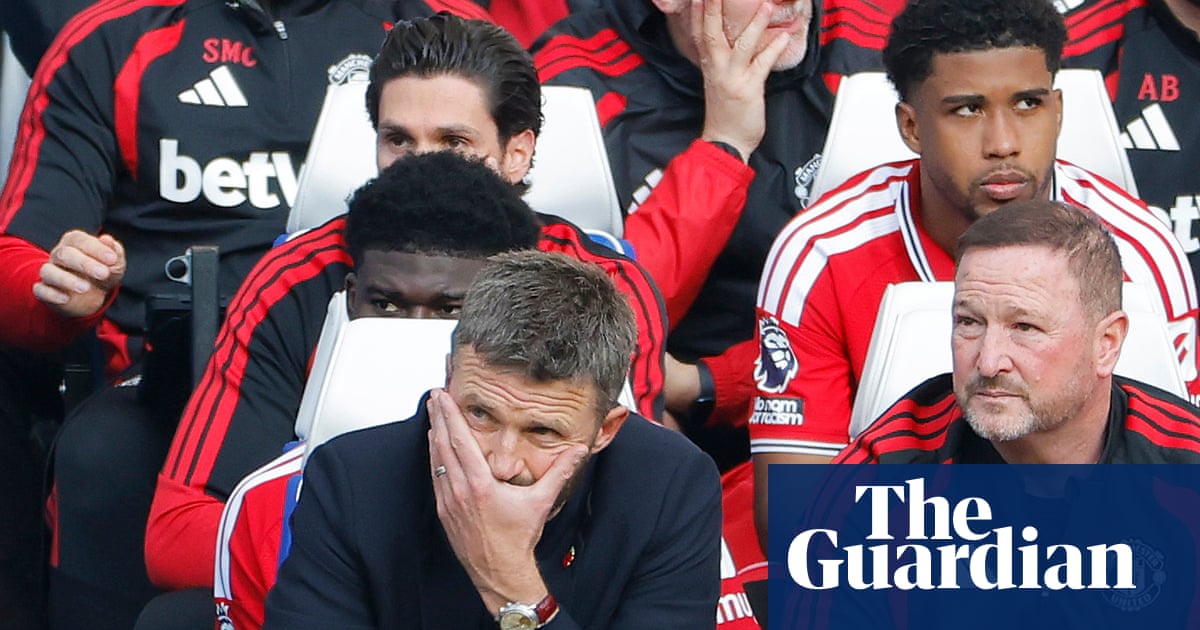
Michael Carrick is running out of road before Roma visit Old Trafford
2 days, 7 hours ago
Michael Carrick is on the brink after Como humiliated Man United
1 week, 5 days ago
Liverpool's injury crisis threatens to derail Iraola's tactical masterplan
1 month agoOn This Day in Football: September 29
1 month ago
Rodri can defend City all he wants, but 114 guilty verdicts change the story
1 month, 1 week ago
Manchester United's European return comes with a brutal derby catch
1 month, 3 weeks agoMore Analysis

Arteta is building an Arsenal defence that threatens the Invincibles
1 day, 13 hours ago
Michael Carrick is running out of road before Roma visit Old Trafford
2 days, 7 hours ago
Michael Carrick says he is safe for Roma, but Old Trafford loves an ambush
2 days, 21 hours ago
Man City's £325m midfield overhaul is already stalling
3 days ago
Aston Villa suing Jamie Carragher is peak modern football comedy
3 days, 17 hours ago