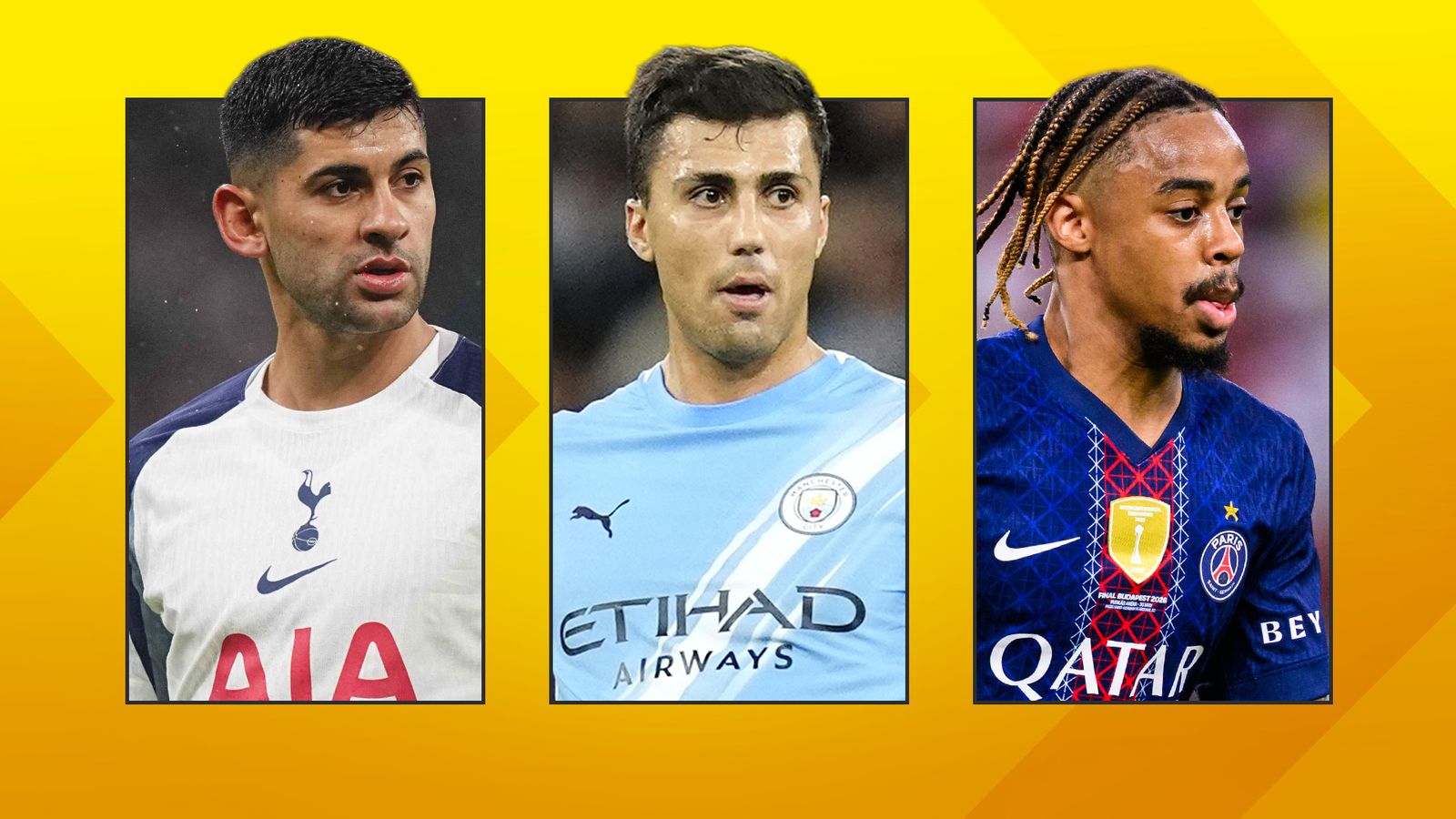
The 2026 World Cup Turnaround
The pace of the 2026 tournament has been blistering, shifting from tactical stalemates to high-octane offensive transitions. June 25, 2026, marks the final push for the Round of 32, where defensive vulnerabilities are finally being exposed by depth-heavy squads.
10. The Haiti Offensive Surge
Haiti pushed Morocco to the absolute limit in a 4-2 loss, proving that the gap in international football is narrowing faster than pundits predicted. Scoring twice against a side like Morocco requires elite transition play and high-speed clinical finishing. While they conceded four, Haiti’s ability to force Morocco to come from behind twice earns them a spot on this list for pure grit.
9. Morocco’s Tactical Adaptability
Morocco proved they have the mental fortitude to recover from defensive lapses, managing to overcome two deficits in their final group match. As The Guardian reported, finishing level on seven points with Brazil is a massive indicator of their pedigree. They rank higher than Haiti because they displayed the maturity to control the second half after a chaotic start.
8. Brazil’s Efficiency Gap
Brazil sits atop Group C, yet questions remain about their inability to fully blow out the competition. They lack the ruthless streak seen in previous decades, often settling for comfortable possession rather than hunting for a fifth or sixth goal. Relying on tight margins serves when playing small nations, but it is a dangerous habit for the knockout stages.
7. The Midfield Transition Crisis
Teams have largely abandoned the traditional holding midfielder, opting for box-to-box hybrid players to handle the increased tempo. This shift has led to high scoring but has also turned central midfields into hollowed-out zones during counter-attacks. Modern coaching is currently struggling to find the balance between pushing for goals and protecting the back four.
6. The Physical Toll on Squads
The compressed schedule for the group stage has left players noticeably gassed by the 70th minute in high-intensity matches. We are seeing more muscle injuries and fatigue-based errors than standard tournaments. Coaches who prioritized squad rotation in the first two matches are looking like geniuses right now.
5. The Rise of the Wide Forward
Fullbacks are essentially defunct in their old capacity, replaced by inverted wingbacks who function as auxiliary playmakers. In almost every match this month, movement from the flanks has been the primary tool used to break low-block defenses. If you don't possess speed on the outer edges, you are functionally useless in this tournament.
4. Defensive Fragility
There is a glaring lack of high-level individual defensive talent that can handle one-on-one isolations at full sprint. Attackers are currently winning duels at a rate that is frankly embarrassing for some of the higher-seeded teams. If defensive schemes do not tighten up for the knockout rounds, we are going to see some lopsided scores.
3. The Brazilian Possession Pivot
Brazil’s specific style of rotating their front four has created a nightmare for opposing center-backs. By eliminating a static striker, they have managed to draw defenders entirely out of position throughout the group stage. Whether this remains effective against stronger European defenses is the biggest question heading into the next round.
2. The Thriller Quality of Group C
Group C delivered the most consistent excitement of the tournament so far, characterized by high-scoring affairs and constant lead changes. It was not just high quality, but high drama that defined this bracket. We saw four goals in the Morocco game alone, proving that aggressive tactics pay off in the current officiating environment.
1. The Tactical Reckoning
The defining moment of this month is the death of the park-the-bus mentality; it simply does not work in 2026. Teams that try to hold a clean sheet through sheer numbers are being dismantled by technical, fast-moving attackers who exploit the pockets of space allowed by deep defensive lines. Adaptation is the only currency that matters as the bracket narrows.
Honorable Mentions
The emergence of younger, unheralded wingers from emerging nations has been a bright spot that scouts are salivating over. Additionally, the overall improvement in refereeing communication has kept the flow of the game alive, preventing the usual stop-start drudgery that plagues major international tournaments.