The 2026 World Cup: A chaotic legacy
The 2026 tournament redefined global football. Between logistical nightmares and political optics, the sport survived its own expansion. Here are the 10 moments that defined a month of football in North America.
1. Spain captures the crown
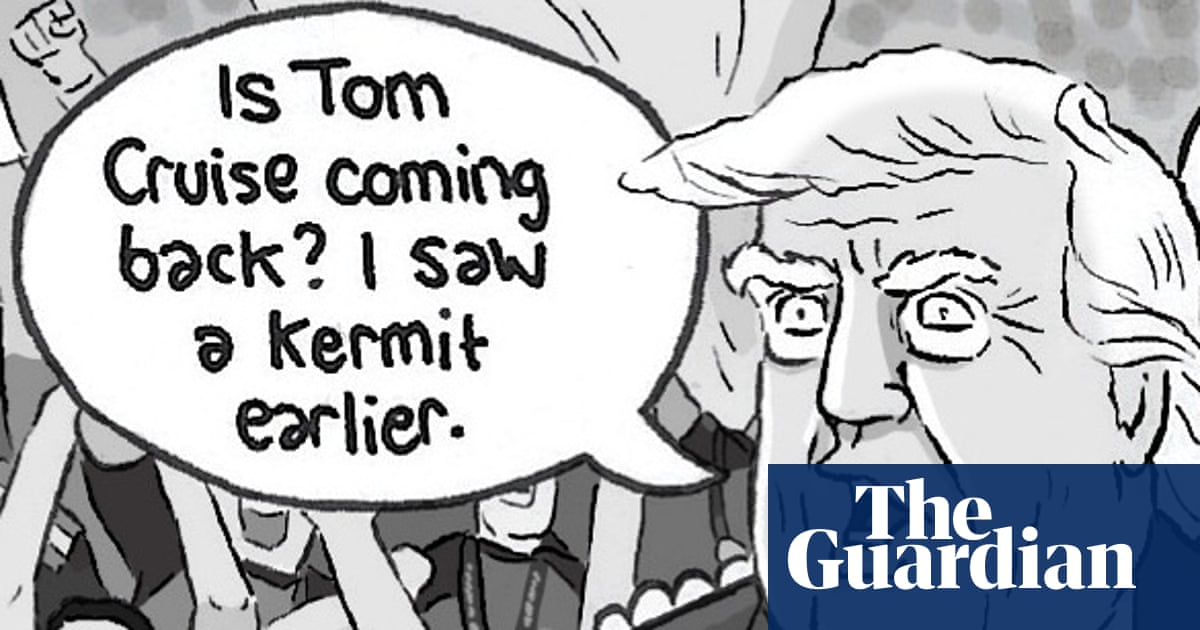
Spain winning the 2026 World Cup final cements their status as the modern benchmark. The victory, secured in the shadow of American political theater with Donald Trump in attendance, shifted the focus back to the pitch. As noted in David Squires' recent commentary, the juxtaposition of the trophy lift against the backdrop of the U.S. election year was as bizarre as it was historic. It sits at number one because it silenced every critic who doubted their tactical depth.
2. Argentina's tactical stumble
The defending champions looked pedestrian before their exit. Their inability to adapt to the high-pressing systems employed by rising mid-tier nations was alarming. This failure ranks second because it signaled a power vacuum at the top of the international game. It remains the most jarring disappointment of the cycle.
3. The USA-Mexico logistical wall
Tournament organizers failed to reconcile the vast distances between host cities. Fans were left stranded, and the travel schedule for teams turned into a farce by the quarter-finals. It ranks third as a reminder that expanding the field to 48 teams requires more than just bigger stadiums. The infrastructure was flatly insufficient.
4. The emergence of North African tactical rigor
Morocco and Egypt proved their 2022 runs were no fluke. By effectively shutting down midfield channels, they forced the biggest nations into uncomfortable lateral passing patterns. This shift in defensive discipline was the most tactically sound development of the tournament. Nothing else came close in terms of strategic evolution.
5. The refereeing disaster in the round of 16
VAR usage reached a breaking point during the opening knockout stages. A botched offside review in the England-Germany clash forced a public apology from FIFA officials three days later. The inconsistency damaged the credibility of the competition. It ranks fifth because it directly influenced the bracket integrity.
6. The stadium atmosphere divide
The disparity between matches played in historic venues versus modern NFL buildings was stark. Matches in smaller, more intimate settings provided a true football atmosphere, while the cavernous stadiums felt sterile. This contrast dampened the spectacle for home viewers. It is a critical lesson for future North American hosts.
7. The transition of the veteran guard
We saw the final international minutes for several icons who failed to secure a swan song title. Their inability to maintain intensity under the grueling 2026 format served as a grim reality check. Sports fans prefer heroic send-offs, but the reality was messy and forgettable. Their decline was rapid and unavoidable.
8. Host nation output
The USA and Canada provided strong flashes but ultimately lacked the depth to navigate two consecutive knockout games. Their performance in group stages built immense hype, only for it to evaporate by the round of 16. It was a classic case of tournament fatigue meeting limited squad quality. Expectations were simply misaligned with the reality of their talent pool.
9. The underdog scouting revolution
Smaller nations arrived with data-driven game plans that nullified star-studded rosters. Uruguay and Senegal specifically used high-intensity transition sequences to break superior opponents. These teams did not just play hard; they played smart according to modern metrics. It proved that the gap between elite and emerging nations is closing.
10. The ball quality controversy
Goalkeepers across the tournament complained about the flight path of the official match ball. The erratic movement led to several long-distance goals that were technically lucky rather than earned. While it provided highlights for the reels, it frustrated players who rely on consistency. It rounds out the list for its lingering impact on the score-lines.
Honorable Mentions
The play of goalkeeper Emi Martinez in the group stages remains a highlight, even if the team failed. Additionally, the fan response in Mexico City was the only thing that kept the tournament's energy on life support during the mid-week doldrums after the group stage fatigue set in.