The 2026 World Cup reaches a fever pitch as the tournament field narrows to its most lethal contenders. These ten moments define the current era of international football, bridging the gap between established superstars and the next generation of icons.
1. Lamine Yamal vs. Kylian Mbappé: The Semifinal Collision
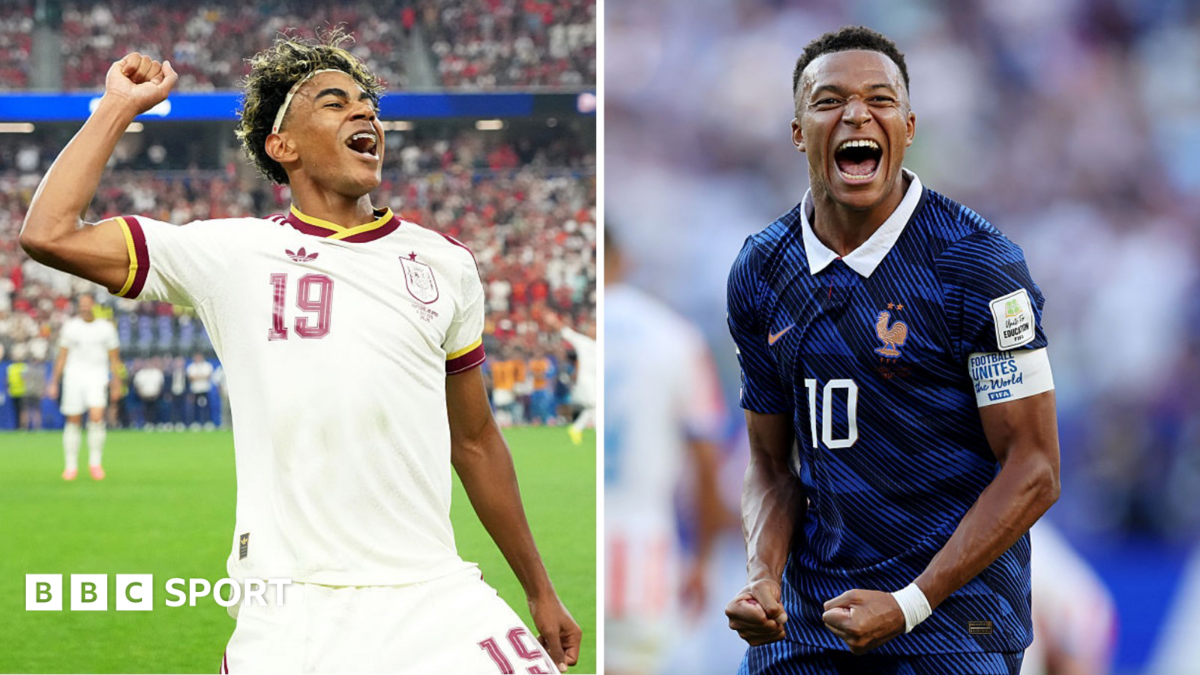
The upcoming clash between France and Spain is more than a semifinal; it is a generational handover attempt. Yamal has been the breakout star of the tournament, consistently terrorizing veteran defenders with his pace and vision. Conversely, Mbappé remains the gold standard for clinical finishing in high-stakes environments.
This match ranks first because it perfectly encapsulates the shift in European power dynamics. Mbappé enters with the experience of a 2018 champion, while Yamal carries the fervor of a teenager rewriting record books. As BBC Sport notes, the tactical battle between these two will almost certainly decide who reaches the final. It matters because it pits pure output against high-ceiling potential.
2. The Premier League Audit: Iraola at Anfield
Andoni Iraola left Bournemouth to salvage a drifting Liverpool side, a move that shifted the managerial hierarchy overnight. He arrived at Anfield acknowledging the squad required significant surgery to compete at the top tier. His early honesty about the team's deficiencies serves as a refreshing change from his predecessor, Arne Slot.
The tactical identity shift is risky, but the board backed his vision. As discussed in recent transfer news reports, the focus on heavy pressing and transitional efficiency is his signature. If this fails, the club faces a multi-year rebuild.
3. Aston Villa's Pivot to Pervis Estupinan
Villa’s pursuit of Estupinan signals the end of the Lucas Digne era in the Midlands. The club requires a more dynamic option on the overlap, and the Brighton defender fits that profile perfectly. Negotiating with Brighton is notoriously difficult, yet Villa remains confident in the process.
This move is a calculated gamble on athleticism over pedigree. Digne provided stability, but Estupinan offers an attacking threat that fits the modern fullback model. If the deal hits a snag, Villa lacks a viable contingency.
4. The Defensive Collapse of the Elite
Early rounds of the tournament showcased systemic failures in top-tier defenses. Several heavy hitters conceded multiple goals to lower-ranked nations, highlighting an over-reliance on individual brilliance rather than cohesive units. This exposed a fundamental lack of preparation time between club seasons and international windows.
The gap in defensive quality between elite teams and the rest of the pack is shrinking rapidly. Coaches were too focused on offensive flair, often neglecting the pivot transition. It remains a glaring issue for managers who prioritize possession over ball recovery.
5. Tactical Rigidity in Midfield
Several high-profile teams suffered because of inflexible midfield setups. Reliance on slow, deep-lying playmakers cost teams like Brazil and Portugal their transitions during the group stages. The game is currently moving faster than these players can process.
Modern international football demands high-intensity running and quick-turn output. Those teams failing to integrate box-to-box profiles paid the price in the knockout stages. It is a harsh lesson in the necessity of pace in the center circle.
6. The Rise of the Tactical Analyst
Managers are increasingly relying on real-time data to make substitutions, often at the detriment of player morale. We have seen more players visibly frustrated by early hooks based on pitch geography metrics. While the accuracy is improving, the human element of stadium chemistry is taking a backseat.
This trend is efficient but creates friction within dressing rooms. When a manager follows the tablet more than the flow of the game, the risk of losing the locker room increases exponentially. Elite coaching requires nuance, not just raw output metrics.
7. Goalkeeper Volatility
The 2026 cycle has seen a surge in high-profile errors from veteran goalkeepers. Whether due to changes in ball technology or the pressure of the stage, clean sheets are harder to come by than at any point of the last decade. This volatility has led to more high-scoring, chaotic finishes.
This volatility is a net positive for entertainment but raises concerns about the state of defensive coaching. Goalkeepers are being left exposed more frequently by defensive lines pushing too high. It creates a frantic, unpolished brand of football that leans on luck as much as skill.
8. The Scheduling Fatigue
Player exhaustion has been a central theme of this tournament. With club seasons ending later than ever, top stars arrived at the World Cup looking physically diminished. This led to a lack of elite intensity in middle-of-the-pack matches.
The scheduling committees need to address the volume of matches, or the quality of play will continue to drop. Viewing world-class players struggle through ninety minutes due to lactic acid buildup is not what fans paid to see. It is the biggest threat to the current international format.
9. Underdog Tactical Innovation
Teams from outside the traditional European and South American power circles have displayed remarkable discipline. By utilizing compact 5-4-1 shapes, teams like Morocco or South Korea have neutralized high-possession attacks effectively. This evolution of the low block has forced managers to rethink how to break down compact zones.
The era of steamrolling smaller nations is officially over. The tactical gap is closing because these nations are adopting advanced scouting methods. It makes for shorter odds and unpredictable outcomes every single match day.
10. The Set-Piece Revolution
Goals from set-pieces have surged, accounting for nearly 35% of total scores in the knockout phases. Teams are now employing specialized set-piece coaches, similar to the NFL, to design intricate routines. This has turned dead-ball situations into the most lethal part of the tactical game.
While effective, it has arguably decreased the flow of open-play brilliance. Matches are increasingly decided by a corner kick flick-on rather than 20-pass build-ups. It is smart for results, but often frustrating for spectators wanting high-speed technical displays.
Honorable Mentions: The refereeing consistency issues during the group stages, the surge in VAR intervention times, and the surprising goal-scoring form of converted wingbacks.