The Global State of Play
The 2026 World Cup has proven that continental scale creates massive logistical headaches for FIFA. While the on-field product remains peak-level, the sprawl across three nations has created a disjointed experience for the traveling supporter.
The Ranking
10. The Opening Match Goal Spread
Mexico opened the tournament at Estadio Azteca with a frantic display of offense against a disciplined backline. The opening goal came in the 17th minute, setting an immediate tempo for the North American contingent. It signaled that this expansion would lean into high-octane attacking football rather than tactical stalemates.
9. The Dallas Heat Wave
The humidity in the DFW area forced officiating teams to halt play for mandatory water breaks during the group stages. It created a level of physical fatigue that penalized teams with thinner benches. Watching technical midfielders wilt under the sun in the second half was a cynical, yet fascinating, look at athletic endurance.
8. Canada’s First Points
Canada finally secured their first-ever tournament points with a draw in Toronto. The crowd reaction defined the domestic growth of the sport, proving that even a single point functions as a historical victory. It moved the needle further toward genuine mainstream relevance in a hockey-first market.
7. The VAR Consistency Crisis
Consistency disappeared during matchday two, specifically during the handling infractions debated in the boxes of the Vancouver venues. The confusion over what constitutes a natural silhouette resulted in three controversial penalty kicks in two days. It remains a stain on the officiating standards for a mid-tournament window that should have been polished.
6. The Smoke-Filled Sky
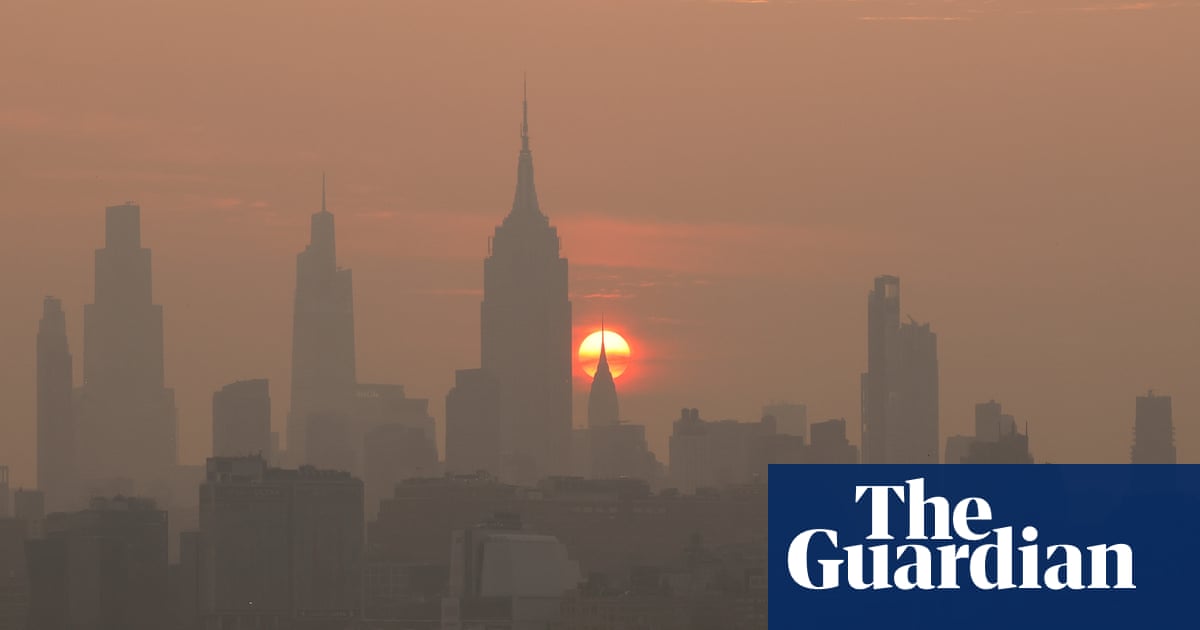
Air quality alerts turned the skies grey over the eastern seaboard, threatening major fixtures in the New York hub. As reported by The Guardian, the smog prompted legitimate concerns regarding player safety and fan health. It served as a grim reminder that climate realities do not respect international tournament schedules.
5. The Brazil-Argentina Collision Course
The potential for a South American heavyweight showdown drove ticket demand to unprecedented highs before the bracket was finalized. The sheer anxiety in the press rooms during the knockout seeding shows that history still sells better than parity. It is the most anticipated rivalry in the game for a reason, even with the travel logistics involved.
4. The European Upset Trail
Unexpected exits for traditional powerhouses in the round of 32 turned the bracket upside down. The collapse of the defensive shape forced tactical shifts that saw mid-tier teams playing with a four-man backline that looked surprisingly fluid. It highlighted a gap between reputation and current roster output.
3. The New York Logistics Nightmare
Transportation between city hubs proved to be the Achilles' heel of the tournament organizers. Fans faced delays exceeding 6 hours in some major corridors, leading to empty seats during the opening whistles of marquee games. The failure to synchronize rail and air traffic is the biggest administrative black mark on this cycle.
2. The Political Shadow
The involvement of high-profile political figures at the venue in East Rutherford has dominated the discourse. The presence of the US President at the final stages complicates the security apparatus, turning a sporting event into a security theater. Keeping politics out of the stadium proved impossible, forcing fans to navigate a maze of checkpoints that felt more like a political rally than a match.
1. The Golden Boot Race
The pure talent on display in the final third has been the saving grace of the 2026 tournament. With the current leader sitting on 8 goals, we are witnessing an era of elite strikers who refuse to shrink on the biggest stage. This individual brilliance consistently overshadowed the crumbling infrastructure and the smoke in the air, reminding everyone why we watch despite the off-field chaos.
Honorable Mentions
The infrastructure failures in the West Coast corridors narrowly missed the list due to the brilliance of the late-night match atmosphere in Los Angeles. The experimental substitution rules tested in the exhibition matches were also a point of contention that many analysts were happy to ignore.