
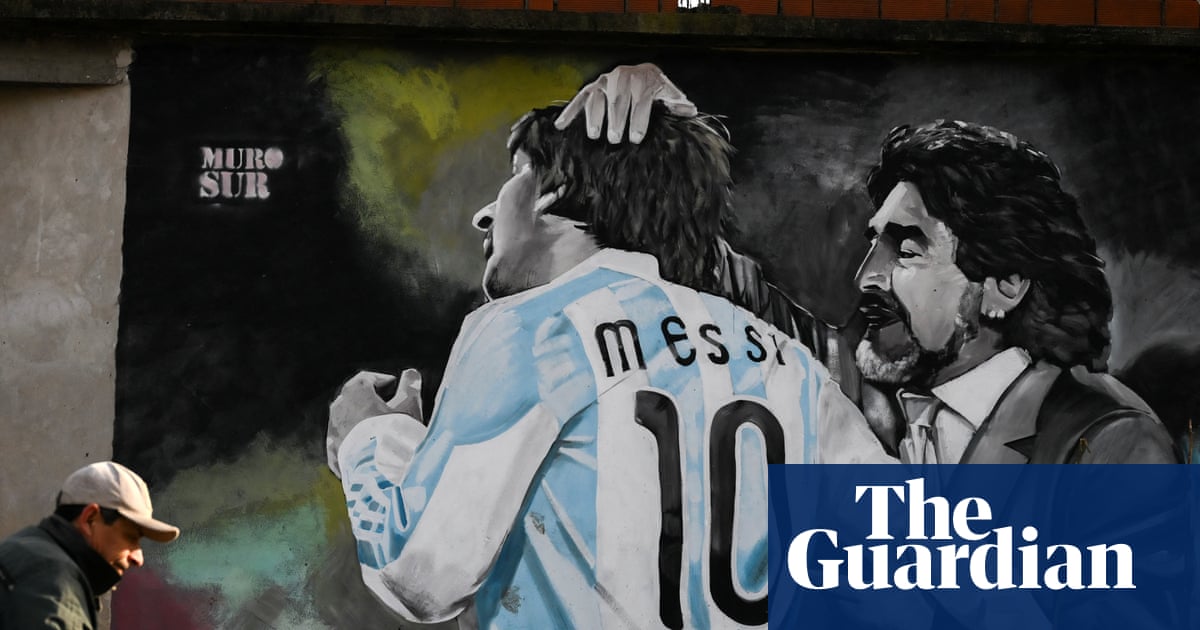
The transition of an icon
For four decades, the Argentine football psyche remained shackled to the ghost of Diego Maradona. The 1986 hero was not just a player; he was the national identity. That era is closed. Following the conclusion of the 2026 World Cup cycle, the consensus in Buenos Aires has shifted decisively.
Lionel Messi is no longer chasing the ghost. He has finally surpassed him. The debate that once polarized generations—the frantic, street-smart genius of the eighties against the clinical, sustained brilliance of the modern era—has reached its natural expiration date.
The weight of the 2026 cycle
This isn't about stats alone, though the numbers remain absurd. This is about the total assimilation of Messi into the Argentine soul. For years, the criticism was that Messi played like a European professional, while Maradona played like an Argentine martyr. That distinction vanished in North America this summer.
Observers noted that the reverence for Maradona, while profound, had become a museum piece. The 'Hand of God' was a singular moment of defiance. Messi’s influence, however, has proven to be a cumulative force of nature. He adapted his game as his physical speed waned.
The evolution of the maestro
Maradona’s brilliance was erratic and combustible. He was a supernova that burned out fast. Messi’s career has been an endurance test, a two-decade march that redefined professional consistency at the highest level. By the end of this tournament, he looked less like a player and more like an extension of the coaching staff on the pitch.
The current setup in Argentina is built entirely on his tactical intelligence. His positioning in the 2026 matches served as a masterclass in spatial awareness, compensating for the athleticism of younger, fresher opponents. He no longer needs the ball at his feet to control the tempo.
The critical assessment
Despite the current adoration, it is important to acknowledge the limitations of the current era. The dependence on a single aging superstar is a risky long-term strategy for the AFA. While the results have been glorious, the reliance on one player to orchestrate every transition limits the development of a coherent post-Messi identity.
When the pace of the game quickened significantly in the semifinal stages, the squad struggled to find rhythm without Messi touching the ball. This is the flaw in the current obsession with the past. By looking backward at the ghosts of 1986, the program runs the risk of ignoring the tactical gaps that will emerge once this specific group of veterans retires.
Consigning a legacy to history
The transition is complete. The Guardian has reported today that the national narrative has firmly inverted. The focus is no longer on comparison, but on appreciation of the final act.
Leo has surpassed Diego.
That sentiment is being echoed across the plazas of Buenos Aires. It reflects a nation coming to terms with the fact that their greatest historical figure was arguably not the chaotic firebrand of the past, but the quiet, relentless machine of the present. The era of Diego is now officially historical record.
The era of Messi is the living reality. Whether this reality can sustain itself after the retirement of this core remains the primary question for the next qualifying cycle. For now, the debate is dead. Argentina has moved on from the shadow of the 'Hand of God' and found a new standard of excellence.
The numbers behind the myth
Consider the total output over the last two World Cup cycles. The consistency is staggering when compared to the volatility of prior golden generations. The squad’s ability to absorb pressure and rely on technical ball security rather than raw aggression represents a massive shift in the national tactical identity.
Argentina played 7 matches during this tournament, consistently controlling the share of possession in the central third despite significant pressure from European mid-blocks. They haven't just won games; they have managed them. This is a far cry from the emotional, individualist performances of the nineties and early two-thousands.
By the time the final whistle blew in the closing stages of the tournament, the stadium atmosphere had changed. The chants were no longer focused on the past. They were centered on the individual who, for twenty years, has carried the expectations of an entire continent on his shoulders.
It is a strange feeling for a nation that loves to romanticize its trauma. However, the victory solidified the change. The shift from emotional, sporadic excellence to professional, calculated dominance is complete. It is the end of an era of obsession with the past, and the beginning of a cold, hard look at what remains when the greatest player in history finally hangs up his boots.
The focus moving forward rests on the talent currently in the developmental pipeline. The transition will be difficult. But for the first time in forty years, they are not looking over their shoulders at a ghost. They are looking forward to a future that is finally free of the weight of Maradona's impossible standard.
Read Next
- England’s World Cup exit exposed more than just tactical fragility
- Lionel Messi's chronic ankle strain casts shadow over Argentina training
- Thomas Tuchel just coached England right out of the World Cup
- The World Cup has turned into a fever dream and I am here for it
- 🇦🇷 Argentina World Cup 2026 — Defending Champions Hub



