Setting the Stage
The 2025/26 season moved at a breakneck speed, prioritizing tactical disruption over traditional defensive rigidness. Decisions made in the boardroom and on the training ground redefined the pecking order of the top six.
The Ranking
1. The Emirates Stadium Collapse. Arsenal surrendered a 14-point lead in early 2026, dropping 18 points during a chaotic February stretch. The lack of defensive depth was startling to witness on a weekly basis. It solidified the narrative that their roster lacks the physical durability required to finish a title charge.
2. Villa’s Champions League Quarter-Final Run. Unai Emery navigated a brutal schedule to reach the final eight of Europe’s premier competition. They relied heavily on Ollie Watkins’ movement inside the final third, which masked inconsistent play from the midfield pivot during domestic fixtures. This run justifies their current market valuation.
3. Manchester United’s Tactical Reset. Following a string of poor home results, the club moved away from a high-press system that left their backline exposed to transition play. The switch to a low-block 4-5-1 in April rescued their season and secured qualification for continental competition. It was a pragmatic move that saved several jobs.
4. The January Transfer Window Freeze. Most top-flight clubs opted for stagnation over movement due to fear of violating financial regulations. This resulted in an unusually quiet market that left several managers scrambling for fitness throughout the spring. The lack of depth forced younger academy prospects into high-pressure roles prematurely.
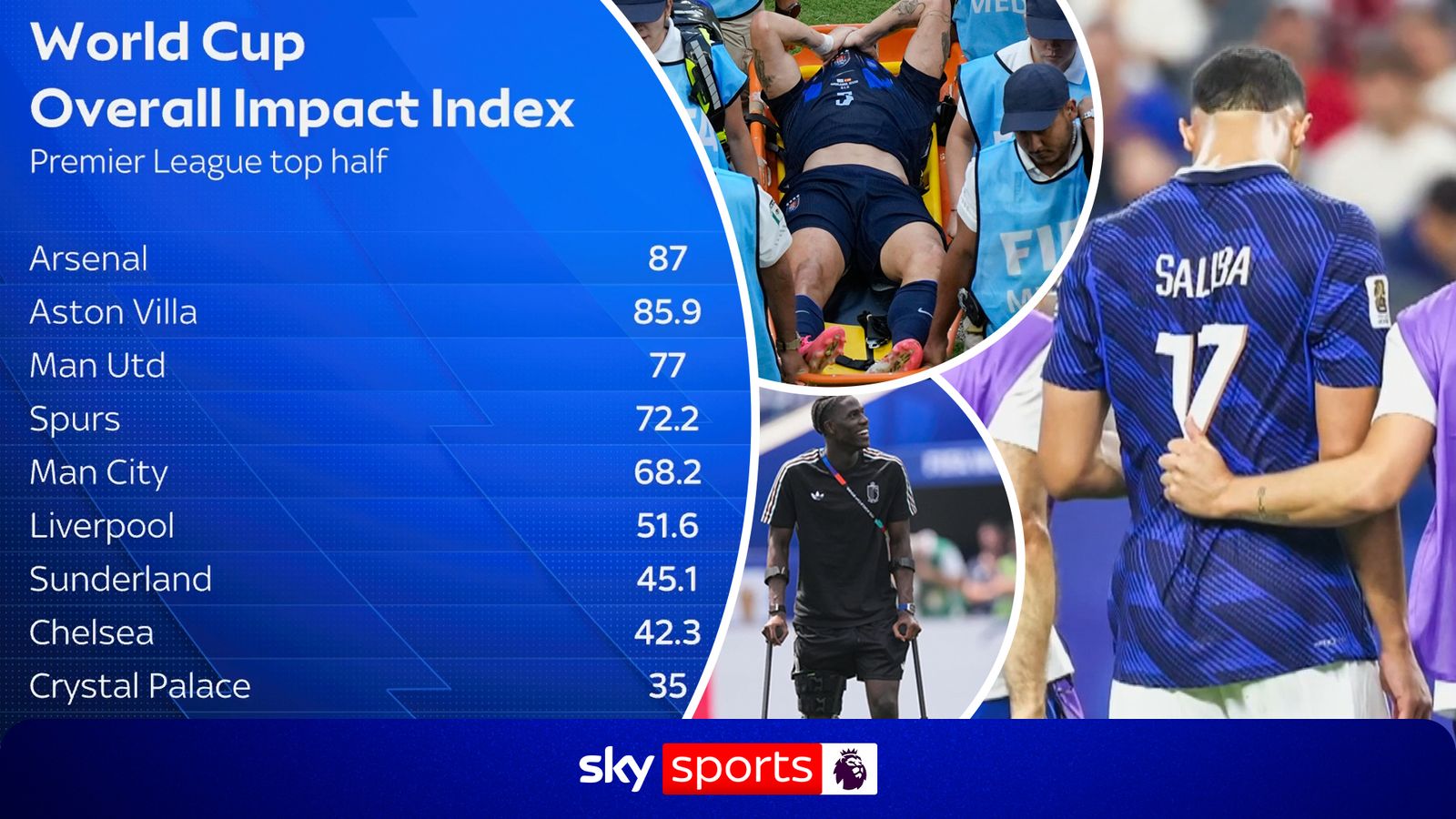
5. The Officiating Controversy at Anfield. A questionable decision involving an off-the-ball obstruction call sparked riots in the VAR room and redefined the threshold for physical contact. As Sky Sports reported, player health remained a constant secondary concern during these heated exchanges. The league eventually apologized, but the points were never returned to the table.
6. Haaland’s Late-Season Ankle Blow. Manchester City lost their primary striker in mid-March, forcing a total reinvention of their attacking geometry. His absence exposed a lack of creative output from the wide areas when the team faced a set defense. It was a harsh reality check for a side that has relied on his presence for three consecutive years.
7. The London Derby Thrashings. Tottenham Hotspur and Chelsea traded blowouts that highlighted the defensive fragility common to both clubs. Watching a 4-4 draw in April served as a reminder that entertainment value often comes at the expense of defensive intelligence. Neither side showed the consistency required for a genuine title push.
8. The Nottingham Forest Survival Act. Nuno Espirito Santo implemented a defensive structure that yielded results against top-tier opponents despite low possession numbers. They secured safety in the penultimate matchday with a disciplined 1-0 win. Critics called it boring, but the results earn them this spot.
9. The Brighton Tactical Evolution. Despite selling two key creative midfielders last summer, the club maintained its progressive style under a new head coach. They managed to finish in the top half by trusting internal replacements who were previously sitting on the bench. It was a masterclass in scouting and development efficiency.
10. The 16-minute VAR Delay. During a rainy Saturday in Newcastle, a technological failure halted play for an unprecedented duration. It became a laughing stock, stripping all rhythm from the game and ruining the atmosphere for fans in attendance. This moment represents the single biggest failure of league management this year.
The Big Picture
The 2025/26 season was marked by over-burdened schedules and a growing tension between commercial demands and player physical limits. If the governing bodies continue to ignore injury data, the quality of these marquee moments will only continue to slide further into chaos.
Honorable Mentions
The rise of the 19-year-old goalkeeper at Crystal Palace and the protest at the Manchester Derby mid-winter. Both events threatened to overshadow the actual football played on the pitch but lacked the long-term historical consequence to break the top ten.