The Big Picture
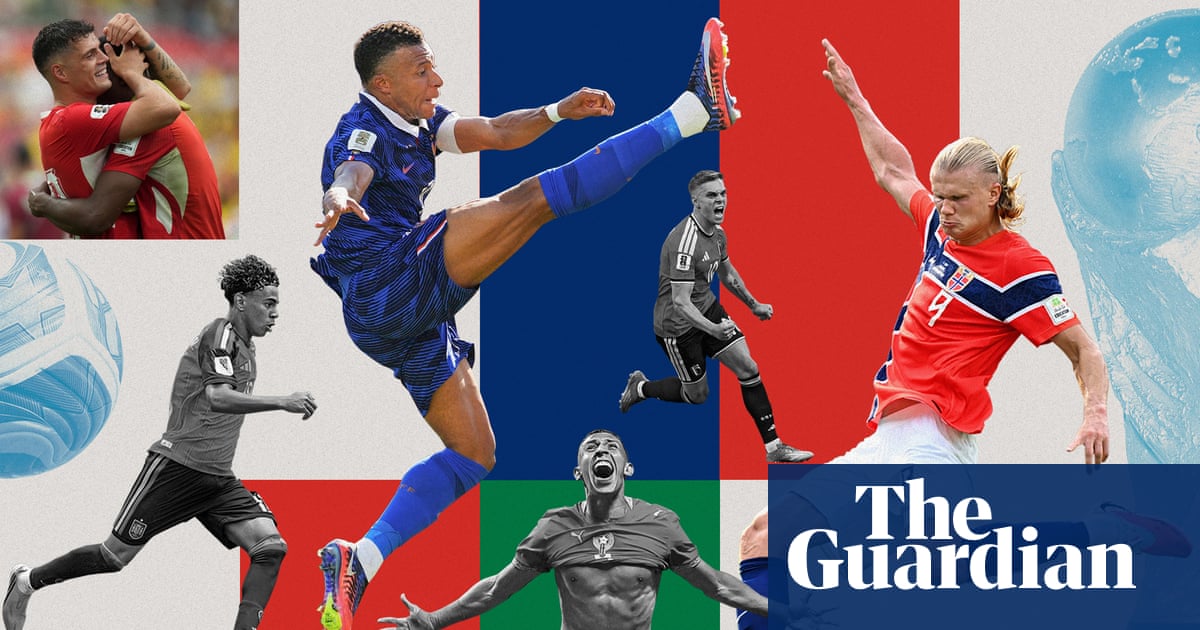
The 2026 World Cup has stripped away the pretenders, leaving eight national teams to fight for the trophy in North America. Efficiency, veteran brilliance, and tactical discipline define the remaining field as the pressure mounts in the knockout phase.
1. Lionel Messi vs. Egypt
At 39, Lionel Messi remains the most refined attacker in the tournament. His recent performance against Egypt displayed a level of tactical awareness that younger players simply lack. He finished the game with two goals and an assist, effectively dismantling the Egyptian defensive structure. This outing confirms that Argentina is not just relying on sentimentality to advance. Messi remains the primary engine driving their title defense.
2. France’s Defensive Resilience
Didier Deschamps has built a machine centered on sheer attrition. France reached this stage by conceding only one goal across the group and round of 16 stages. Their backline, led by William Saliba, handles transition play with cold indifference. Critics argue they lack flair, but their ability to suffocate opponents is elite. They are clearly the team to beat regardless of their aesthetic appeal.
3. The Haaland Factor
Erling Haaland continues to be the ultimate outlier in international football. Operating in a Norwegian system that often isolates him, he still produces high-conversion finishes when given half a yard of space. His physicality forced three yellow cards against his most recent opponent in the opening hour. He remains a singular threat that can neutralize any high-line defense. His output is the only reason Norway stayed relevant this long.
4. England’s Midfield Pivot
Gareth Southgate’s shift toward a more aggressive central pairing changed the trajectory of the English squad. By moving Jude Bellingham into a deeper role, the team stabilized its possession metrics significantly. They no longer look prone to the mid-game collapses that plagued them early in the tournament. The adjustment speaks to a coaching staff finally reacting to personnel strengths. Efficiency has replaced the erratic play of the group stages.
5. Spain’s Possession Mastery
Luis de la Fuente has committed fully to the high-possession model, leading the tournament in completed passes per match. Their ability to cycle the ball under high press remains unmatched by fellow quarter-finalists. While some find their slow build-up play monotonous, the efficiency at the final third is indisputable. They wear teams down physically before exploiting gaps in the 80th minute.
6. The Rise of the Surprise Underdog
Morocco’s consistency mirrors their 2022 run, providing the most genuine challenge to European hegemony this cycle. They rely on a low block that forces top-tier opponents into long-shot attempts. While they lack a world-class finisher, their team cohesion is superior to several ranked nations. They deserve this spot for proving that discipline can substitute for sheer talent depth.
7. Brazil’s Individual Brilliance
Brazil survives on pure chaos and individual skill rather than cohesive systems. Vinícius Júnior provides moments of brilliance that bail the team out when the tactical plan inevitably fails. Their reliance on flair is a weakness that elite managers easily exploit. However, their ceiling is the highest of any remaining side. When they click, they are unstoppable.
8. The Germany Tactical Pivot
Germany abandoned their early tournament experiments to return to a more traditional 4-3-3 formation. This corrected the instability in their defensive transitions which hindered their start. The change revitalized Joshua Kimmich as an anchor, which allows the forwards to press higher. They look like a rebooted team compared to their opening match errors.
9. Portugal’s Disappointing Depth
Portugal scraping into the quarter-finals feels like an indictment of their bench usage. Roberto Martínez consistently underutilizes attacking talent until the final phases of matches. They look disjointed, relying too heavily on individual flashes. They are the most likely team to exit in this round due to poor preparation.
10. The VAR Controversy
The officiating standards hit a low point during the round of 16. Several decisions regarding penalty box contact were inconsistent across different match venues. These delays disrupt the rhythm of elite matches and lead to unnecessary frustration for players and fans. The lack of standard interpretation remains a blight on the integrity of this tournament.
Honorable Mentions
The intensity of the knockout atmosphere has turned the stadiums into cauldron-like environments. Even as The Guardian reported, the looming shadow of the top favorites creates a high-stakes environment where one mistake ends a four-year cycle. Players like Mbappe continue to pace themselves, saving energy for the potential final. Every team remaining now faces the 30-degree heat of the host cities, a factor that will likely decide the winner by the semifinal stages.
Read Next
- Top 10: Defining Moments of the 2026 World Cup
- The Weight of the Crown: Why Jude Bellingham is England's Singular Force
- Harry Kane is writing a chaotic final act in Mexico
- Stop buying the hype, the 2026 World Cup is a two-horse race
- 🏆 World Cup 2026 — Full Coverage Hub
- ⚡ UCL Quarter-Finals 2026 — Full Coverage Hub