
Didier Deschamps leaves France needing a new tactical identity
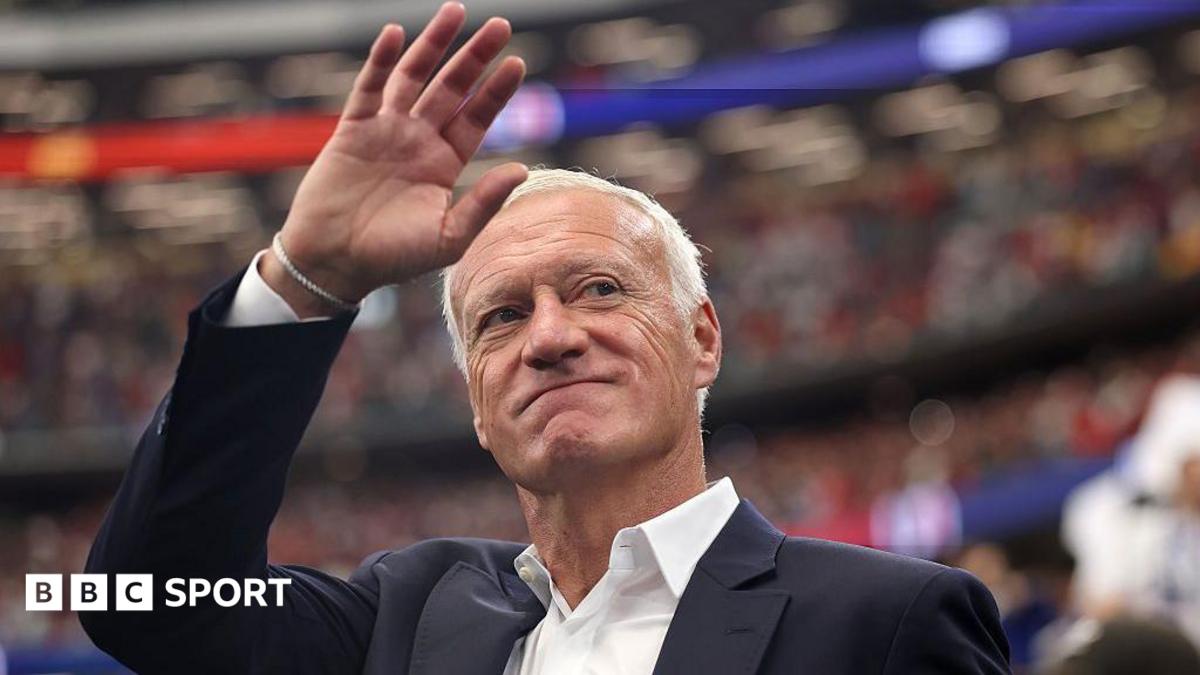
The inevitable conclusion of the Deschamps cycle
Saturday’s World Cup third-place play-off was a hollow curtain call for a manager who defined a generation of French football. Since taking charge in 2012, Didier Deschamps steered Les Bleus through a period of immense stability, yet the final performance against the backdrop of a major tournament exit felt disjointed. It was a tactical regression for a side that once banked on ruthless efficiency. The team looked allergic to tempo, struggling to transition through the midfield areas.
Tactically, the reliance on rigid structures proved the coach's undoing. While the 2018 World Cup title was built on a pragmatic foundation that prioritized defensive density, the current iteration lacked the fluid creativity required to break down disciplined blocks. France averaged a possession share that looked impressive, but their actual threat—measured in expected goals—collapsed against high-pressing opponents. The lack of distinct pressing triggers left the back four isolated during counter-attacks throughout the knockout stages.
The stylistic stagnation in the midfield
For years, the pivot of N’Golo Kanté provided the cover necessary for the more flamboyant attackers to operate without consequence. However, the lack of an evolution in that engine room caught up to them. By the quarter-final stage, the spacing between the defensive line and the advanced playmakers had stretched to unmanageable lengths. Opposing teams found passing lanes too easily; France allowed an average of 16.4 attempts per game during the tournament.
This failure to innovate was most apparent in the final third. When the cross-field ball to the wings failed—which happened with alarming regularity by the semi-final—the side lacked a secondary plan. Relying on individual brilliance is a short-term strategy, not a long-term philosophy. As the BBC reported, the departure marks the end of an era that clearly ran out of steam long before the final whistle blew in their last competitive match.
The personal toll and the shadow of the past
Management in the spotlight often forces a friction between the public persona and the professional reality. Just as we have seen with athletes navigating personal life changes, such as the recent speculation surrounding Keith Lee and his extended absence from the ring, the pressure on a high-profile figure like Deschamps was monumental. Years of scrutiny from the French sporting press meant every substitution was dissected with microscopic intent. The result was a manager who stopped taking risks, favoring the status quo over necessary rejuvenation.
One cannot escape the negative reality of this exit: the team looked tired. Tactical flexibility was sacrificed for name recognition. When a manager stays in the seat as long as Deschamps did, they often fall in love with the veterans who succeeded in the past. It cost France a dynamic shift in momentum. The federation now faces a task that goes beyond simply hiring a successor; they must dismantle the tactical habits that kept them safe in 2018 but made them obsolete in 2026. The next coach will need to reset the pressing intensity and reorganize the defensive line to accommodate a more modern, possession-dominant approach.
Men in Blazers Present Encyclopedia Blazertannica: A Suboptimal Guide to World Soccer
The funniest deep-dive into soccer culture you'll ever read.
Frequently Asked Questions
Why did Didier Deschamps' tactical approach fail in his final tournament?
What issues caused France's midfield to underperform?
How did reliance on veteran players impact team performance?
What led to the breakdown of France's defensive structure?
Why was the French team's success in 2018 not sustainable?
More Coverage

Portugal are about to play their best football in a decade without Ronaldo
5 days, 22 hours ago
Why Marie-Louise Eta's 4-3-3 shift is working at Union Berlin
1 week ago
Why Martin Odegaard and Premier League Stars Are Obsessed With VR
1 week ago
Frenkie de Jong's return gives Xavi the ultimate Dutch tactical engine
1 week, 2 days ago
Zidane's France debut exposed structural issues talent cannot fix
1 week, 3 days ago
The Tennent's Sixes is back and modern sports science would hate it
1 week, 4 days agoMore Analysis
Portugal are about to play their best football in a decade without Ronaldo
5 days, 22 hours ago
Why Marie-Louise Eta's 4-3-3 shift is working at Union Berlin
1 week ago
Why Martin Odegaard and Premier League Stars Are Obsessed With VR
1 week ago
Northern Ireland Turning Into 2004 Chelsea Is Peak Nations League
1 week, 1 day ago
Frenkie de Jong's return gives Xavi the ultimate Dutch tactical engine
1 week, 2 days ago