The Big Picture
The 2026 World Cup served as a brutal, high-speed test of tactical ingenuity and endurance. While the tournament offered historic offensive production, the gaps between elite squads and mid-table sides remained glaringly wide.
10. The Premier League Goal Scoring Surge
Manchester United players hitting the back of the net consistently dictated the early momentum of the group stage. This surge provided a massive statistical boost, proving that club chemistry carries over to the international stage more than pundits previously assumed. It earns this spot because it set the tone for a high-scoring tournament.
9. Konsa's Defensive Gamble
England arrived at the semifinal with a thin defensive rotation, highlighted by the precarious fitness of Ezri Konsa. He logged 540 minutes across six consecutive starts, shielding a backline that often looked disjointed. As reported during England's defensive scramble, this reliance on one man exposed Southgate's lack of viable alternatives.
8. Tactical Shift in the Knockouts
The transition toward high-pressing backlines changed the geometry of every knockout fixture. Coaches stopped playing for penalties and started pushing wingbacks into advanced roles far earlier than in 2022. This shift prioritized risk, resulting in more goals but leaving teams vulnerable to rapid counter-attacks.
7. The Underdog Resistance
Multiple qualifiers pushed heavyweights to the brink, exposing tactical complacency in squads like Brazil and Germany. These clashes forced adjustments that managers were clearly unprepared to make mid-tournament. While these teams failed to advance, they fundamentally changed how favorites approached defensive transitions.
6. The Refereeing Inconsistency
VAR usage remained a point of friction, with subjective handballs creating chaos in key matches. The ambiguity in application ruined the flow of several games, leading to a palpable sense of frustration among fans. It remains a stain on a tournament otherwise defined by clinical play.
5. The Emergence of the Youth Core
Teenage talents broke through in the round of 16, showing zero fear against seasoned veterans. These players provided the energy required to sustain intensity in the extreme heat of the American host cities. Their arrival ensures a legitimate talent surplus for the next cycle.
4. Individual Brilliance Under Pressure
In the quarterfinals, individual moments of skill bypassed low-block defenses entirely. When tactical systems failed, specific players created chances from nothing, proving that talent still trumps structure. The drop in ranking reflects that these moments were sporadic rather than systemic.
3. The Premier League Influence
The influence of England's top tier within this tournament is undeniable. A massive percentage of the total goal count originated from players based in the UK, reinforcing its status as the primary supplier for international success. It ranks here because it demonstrates the dominance of one league over the global game.
2. Defensive Frailty
Too many teams conceded soft goals due to fitness fatigue in the second half of games. The schedule demanded perfect physical preparation, yet multiple squads lacked the depth to cope with the demand. This was the most critical failure point of the month.
1. The Final Sprint
The tournament concluded with a chaotic, end-to-end masterclass that summarized every trend seen over the previous month. The final scoreline of 3-2 was a fitting capstone to a competition that prioritized offense above all else. This finale secured its place at the top for raw entertainment value, even if the defensive work left plenty to be desired.
Honorable Mentions
- The surprise exit of the host nation in early rounds.
- The record-breaking attendance figures in US stadiums.
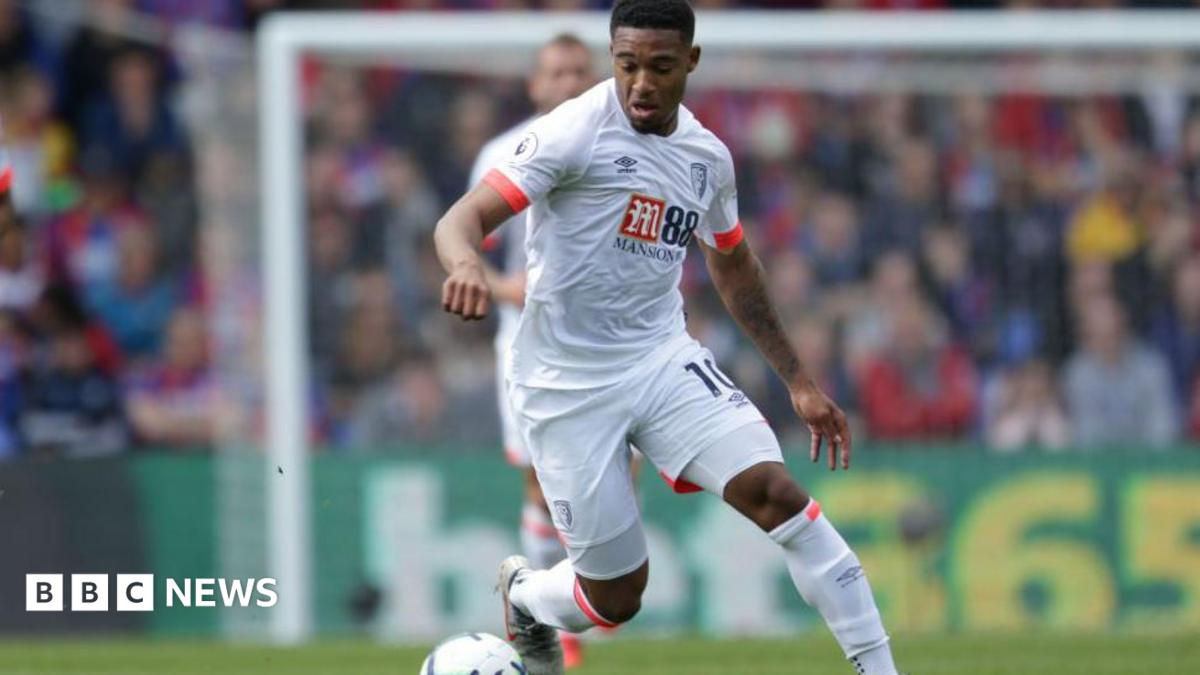
- The concerning background news involving former professionals, such as Jordon Ibe's legal issues, which briefly dominated headlines away from the pitch.
Read Next
- Why England struggles against the press in their Argentina semi-final clash
- England vs Argentina in Atlanta is a powder keg waiting for a match
- Lionel Scaloni is dodging the fire before Argentina meets England
- Ezri Konsa injury status: England's defensive scramble before the semifinal
- 🏆 World Cup 2026 — Full Coverage Hub