The Big Picture
The 2025-26 season offered a strange mix of dominance and administrative chaos. As leagues across Europe finalized their books, the contrast between on-field brilliance and boardroom failure defined the year.
The Rankings
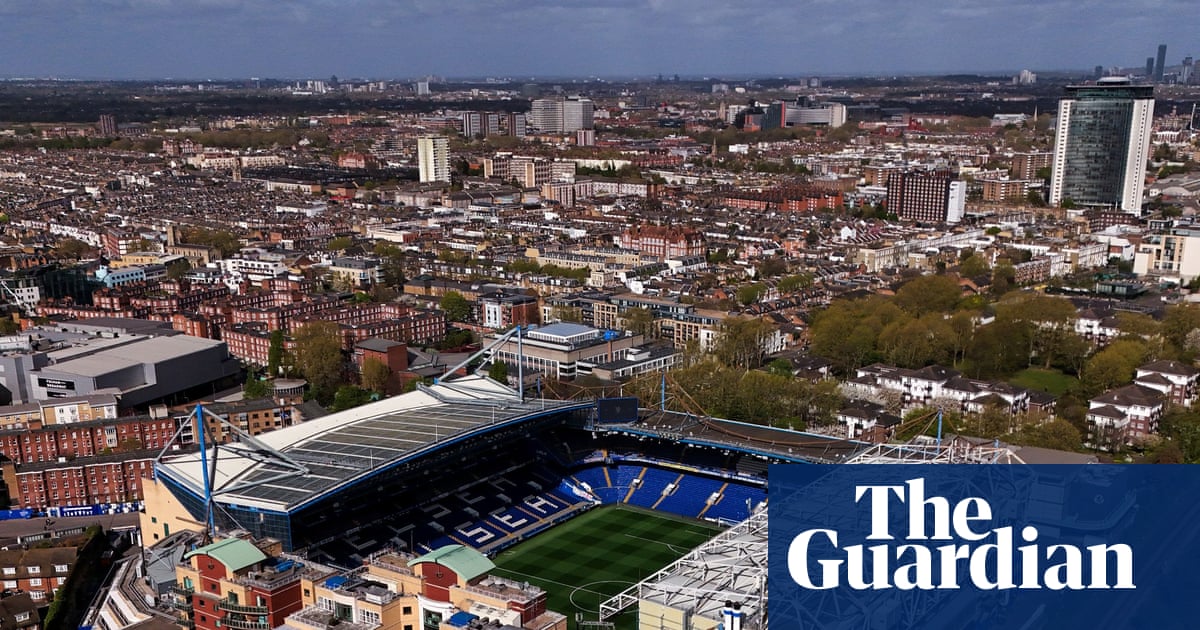
1. Chelsea's Administrative Admission. The club confirmed irregularities in agent payments dating back to 2009. Managing to escape a points deduction via appeal while accepting a £10m fine sets a precedent for how governing bodies treat historical ownership groups. It is not a victory, but it is a survival tactic.
2. The Tactical Shift at the Emirates. Arsenal's tactical shift midway through the season to a fluid hybrid back-three allowed them to close a 12-point gap by March. It remains the most technically proficient stretch of football seen in London since 2004. They fell short of the title by three points, but the blueprint is set.
3. The Rise of the Young Midfielders. Jude Bellingham and Florian Wirtz redefined the box-to-box role during the Champions League knockout stages. Their consistency in high-pressure matches suggests a permanent shift in how clubs prioritize athletic profile over pure tactical discipline. It was the year of the hybrid athlete.
4. The FA Regulatory Crackdown. By targeting historical agent payments, the FA signaled a move toward strict financial compliance. This is a direct follow-up to broader changes in league accounting standards that have put several clubs into financial distress. The move effectively ends the era of 'ask forgiveness later' in English recruitment.
5. The Fall of the Heavyweights. Bayern Munich’s unexpected domestic struggle saw them finish outside the top three for the first time in over a decade. The sheer lack of cohesion in their final third during the spring months was baffling to watch. They wasted 28 major scoring chances in league play between February and April alone.
6. The Goalkeeper Revolution. The emergence of sweeper-keepers who act as primary playmakers changed the defensive phases for the top four teams in the Premier League. Keepers are now responsible for over 40 successful progressive passes per 90 minutes. It is a massive departure from standard defensive positioning.
7. Real Madrid's Resilience. Carlo Ancelotti’s ability to plug gaps in a decimated defensive line during the final two months of the season was a masterclass in pragmatism. They gave up too many shots, yet they secured the trophy by relying on individual brilliance at the end-of-play. It was effective, if not particularly aesthetic.
8. The Rise of the Smaller Data-Driven Projects. Clubs like Brighton and Girona continued to outperform payroll expectations through aggressive scouting. Their ability to replace high-value departures with mid-market signings proves that modern talent identification is faster than the traditional transfer market. Their efficiency humbles the giants.
9. The Coaching Carousel Burnout. With 14 mid-season managerial changes across the big five European leagues, elite football is becoming a volatile career path. Stability is now a luxury few owners care to afford. This constant churn arguably hurts player development schedules.
10. The VAR Controversy at Anfield. A specific refereeing error in the 88th minute of a high-stakes match changed the trajectory of the European qualification race. While technology was meant to solve these problems, the lack of transparency in the audio distribution remains a persistent issue. It was the most frustrating officiating moment of the year.
Honorable Mentions
The impact of the expanded Champions League format, which added 64 extra matches into the calendar. Player fatigue became a major talking point by the time the semifinals arrived. Leagues were pushed to the breaking point by late May.
As The Guardian reported, the Chelsea fine is just the latest incident in a year defined by scrutiny. The sport's administrative hurdles have rivaled the drama on the pitch all year long. Fans are right to be skeptical of how these rules will be applied in the future.