The Defining Moments
The 2026 season has been defined by defensive fragility and clinical finishing, forcing managers to abandon conservative tactical setups in favor of pure, unchecked aggression. As teams fight for position in August, we are seeing a clear departure from the possession-heavy stagnation that marred the previous two seasons.
1. Chelsea's First Half Blitz in Jakarta
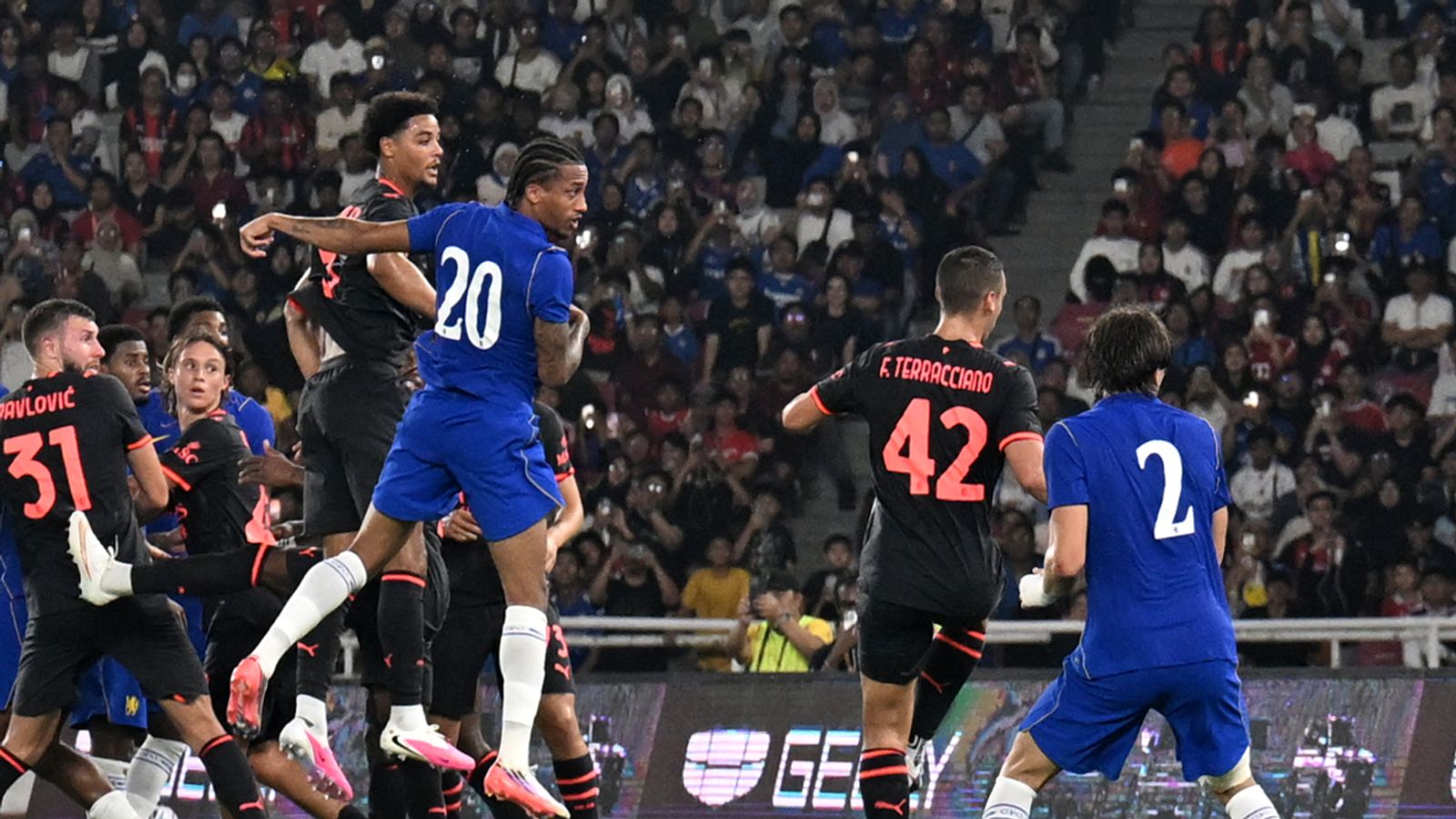
Chelsea’s demolition of AC Milan in the pre-season friendly in Jakarta serves as the benchmark for this summer’s intensity. The quickfire double scored in rapid succession effectively demoralized the Italian side before they could adjust their defensive shape. This performance highlights an ruthless attacking output that suggests Chelsea has solved their goal-scoring woes from last term.
The sheer pace of the transitions during those opening thirty minutes left Milan's midfield completely isolated. While it is only a friendly, the tactical cohesion displayed under pressure suggests a genuine shift for the London club. It ranks first because it signaled a change in competitive intent that other top-flight clubs are already scrambling to address.
2. The Tactical Shift to Hybrid Fullbacks
The tactical obsession with inverted fullbacks has finally reached its breaking point as coaches pivot to hybrid defensive roles. Players are now expected to cover the entire touchline while simultaneously acting as secondary playmakers in the central channel. This evolution has forced attackers to work harder off the ball to create space in congested zones.
This ranks second due to the sheer volume of coaching changes seen in the last three months. It has rendered older systems obsolete, forcing a total reset in how teams defend transitions. Despite this, some managers are failing to implement it, leading to disastrous gaps that are easy to exploit.
3. The Emergence of High-Press Data Analytics
Clubs have shifted from simple heat maps to real-time fatigue monitoring during active gameplay. This data integration has fundamentally changed how substitutions are timed, removing gut-feeling decisions in favor of binary physical limits. It is a sterile evolution that prioritizes efficiency over the unpredictability of human error.
It sits third because it impacts every match simultaneously across the globe. While it ensures player health, it also kills the late-game drama of players running on fumes. The loss of those iconic, exhausted performances is a negative side effect of this hyper-optimized era.
4. VAR’s Offside Automated Threshold
The introduction of the millisecond-detection threshold for VAR has caused more frustration than it solved. Officials now rely on automated lines that often catch infractions too small for the human eye to perceive. This has resulted in a 14% increase in disallowed goals compared to the 2025 campaign.
It ranks fourth because of its disruptive nature to match flow. While the accuracy is undeniably higher, the soul of the game suffers when celebrations are consistently cut short by technicalities. The league needs to reconsider the spirit of the rule.
5. The Youth Academy Revolution
Top-tier clubs are finally abandoning expensive, mid-career signings in favor of internal talent pathways. We have seen a surge in 17 and 18-year-olds securing permanent starting roles. This shift reduces wage bills while increasing long-term squad loyalty.
It places fifth because it stabilizes the financial volatility of mid-table teams. However, it also creates an uneven playing field where clubs without top-tier academies are left behind. The gap between those with elite youth structures and those without is growing wider by the day.
6. The Decline of the 'Target Man'
The traditional hold-up striker is effectively dead at the highest level of competition. Modern forwards are now required to be mobile pressers capable of dropping into the midfield. This change has left many veteran strikers without a place in modern squads.
It ranks sixth because it marks the end of a specific tactical era. While watching the shift is interesting, it lacks the excitement of previous innovations. It is simply a necessary adaptation for high-tempo pressing games.
7. The 90th-Minute Substitution Rule Change
New regulations limiting stoppage-time substitutions have drastically reduced late-game time wasting. Teams can no longer bring on defenders just to kill the final minutes of a match. This has led to an average of 4.5 extra minutes of actual gameplay in high-stakes matches.
It sits seventh because of the immediate impact on game results. By forcing players to fight through fatigue, we are seeing more mistakes in the final act. It rewards the fitter, more disciplined side consistently.
8. The Return of Man-Marking
Against the grain, several managers have returned to strict man-marking in the defensive third. This tactical throwback has disrupted the fluid passing lanes that defined the last five years. It is a cynical but effective way to stifle high-scoring opponents.
This ranks eighth because it creates a necessary counter-balance to hyper-offensive tactics. It brings a level of physical aggression that the modern game was starting to lose. However, it often leads to low-quality, scrappy matches that are difficult to watch.
9. Goalkeeper Distribution Speed
Keepers are now being forced to play the ball within 6 seconds of gaining possession. This rule has triggered a flurry of quick-counter opportunities that weren't possible previously. It punishes slow decision-making from the backline immediately.
It places ninth because it keeps the game moving at a frantic pace. While effective, it puts immense pressure on keepers who lack distribution skills. It is an arbitrary rule that forces change rather than organic development.
10. The Increase in Yellow Cards for Dissent
Officials have been instructed to show cards for even mild protests, leading to a massive increase in bookings. This has successfully quieted the pitch, but it has also removed the visible passion and frustration of the players. The game feels sanitized and disconnected from the intensity of the supporters.
It ranks tenth because it is a purely cosmetic change. It solves nothing regarding gameplay quality while actively making the viewing experience less engaging. It is the most unpopular shift among fans who appreciate the raw emotion of the sport.
Honorable Mentions
The rise of dual-pivot midfield setups has created a reliable base for teams lacking elite wingbacks, while the league-wide push to simplify throw-in rules remains a work in progress that has yet to see meaningful enforcement.