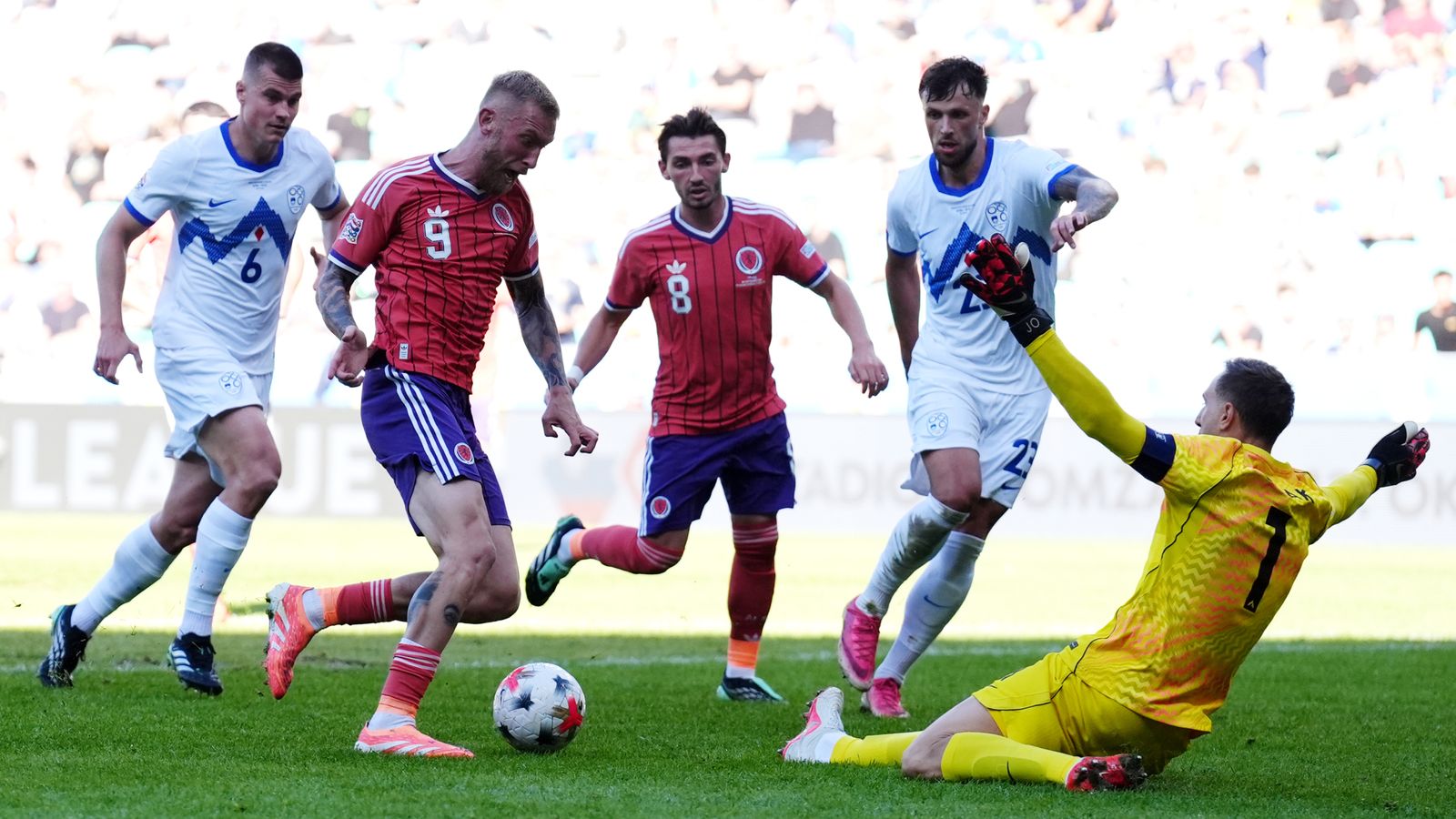
The Stakes of the European Qualification Grid
The 2026 European qualifying cycle has shifted the power balance across the continent. From tactical masterclasses to defensive disasters, these moments defined the qualification phase for Hearts, Rangers, and their domestic rivals.
1. The Rangers Tactical Shift
Rangers entered the third qualifying round with a revised set-piece strategy that caught several opponents off guard. By emphasizing high-volume crossing into the six-yard box, they generated an xG metric that dwarfed their previous season averages. It was a calculated risk that pushed them to a 5-1 aggregate win in their opening ties.
This performance earns the top spot because it signaled a departure from their stale possession-heavy style. Critics often pointed to their reliance on slow build-up play as a vulnerability. This aggressive pivot proved that they can dominate against mid-tier European sides when execution meets intent.
2. Hearts’ Defensive Resilience
Hearts managed to secure three consecutive clean sheets during the most intense stretch of the July qualifiers. Their backline utilized a compact low block that effectively neutralized transition opportunities for their opponents. This level of discipline is rare for a squad of their caliber at this stage of the competition.
They sit at number two because they prioritized structure over flair. While some fans clamored for more attacking output, the results justified the methodology. Staying compact ensures they remain in the tie for the second legs, which is a massive upgrade over last year’s leaky defensive record.
3. Motherwell’s Midfield Emergence
Motherwell transformed their transitional play through the sheer volume of interceptions provided by their defensive anchor. Averaging 14 successful tackles per match, they disrupted the rhythm of technically superior teams. This grit allowed them to dictate the pace of the game rather than reacting to it.
I rank this third because it highlights the necessity of ball-winning ability in high-stakes European matches. Other clubs spend millions on playmakers, yet Motherwell proved that a disciplined midfield axis is the true engine of progression. Their efficiency during the break was arguably the cleanest football seen in the qualifying rounds.
4. Hibernian’s Late Game Improvisation
Hibernian’s ability to score in the closing minutes of injury time defined their run this summer. Finding the net in the 94th minute during a pivotal qualifier tilted the series in their favor entirely. It was not a tactical masterpiece, but rather an example of squad conditioning preventing a collapse.
This ranks fourth because it rescued a failing campaign from the brink of early exit. Relying on late goals is not a sustainable long-term strategy, however. The fact that they were in such desperate situations points to recurring flaws in their starting rotation.
5. The Draw Vulnerability
The official announcement regarding the third qualifying round draws for the Champions, Europa and Conference leagues exposed a collective weakness among clubs with thinner rosters. Hearts and Rangers now face grueling travel schedules that put significant strain on their endurance metrics. The draw was not kind, placing them against sides with better late-summer form.
I place this fifth because it shifted the conversation from performance to fatigue management. It is a reality check for squads that lack the depth of top-flight English or Italian teams. If they fail to rotate effectively, the next two weeks will look miserable on the scoreboard.
6. Set-Piece Inefficiency
Not every moment was positive; the failure of multiple Scottish clubs to convert corner kicks has been a recurring drain on their point tallies. Despite creating significant pressure, their conversion rate hovered near 4 percent. This inability to capitalize on dead-ball situations is a coaching failure that needs immediate correction.
This ranks sixth because it is a glaring systemic issue. Developing elite specialized dead-ball routines is no longer optional for sides trying to punch above their weight. If these clubs continue to waste opportunities in the box, their European journey will end prematurely.
7. The Goalkeeper Rotation Risk
Several teams experimented with rotating their starting goalkeepers between league matches and qualifiers with mixed results. While the idea was to preserve the veterans for domestic play, it led to clear communication issues during high-pressure defensive transitions. The resulting errors cost two crucial goals on aggregate over the past fortnight.
This falls to seventh due to the unnecessary nature of these mistakes. Goalkeepers require rhythm, and shuffling them around created holes in their defensive organization. The coaching staff needs to choose a lead glove-man and stick with them for the duration of the cycle.
8. Transition to Artificial Grass
The switch between hybrid pitches and full artificial surfaces in away games created noticeable speed changes that several teams failed to adapt to in real-time. Players lagged behind the pace of the ball, leading to misplaced passes and turnovers. This mismatch cost them valuable territory in the final third.
I rank this eighth because it is an avoidable tactical oversight. Understanding how surface friction impacts pass weight is professional football 101. Failing to account for this variable in their match prep was an amateur mistake that hindered their attacking fluidity.
9. Youth Integration Benchmarks
Getting academy prospects on the pitch during the second leg was a win for the long-term vision of these clubs. While they were not expected to be match-winners, the 15 minutes of experience gained by younger strikers provided valuable development data. It is a foundational step that will pay dividends in future seasons.
This ranks ninth because it is a long-shot play with low immediate impact. While it is good to see, it rarely changes the outcome of a qualifying tie today. It is more about the trajectory for 2027 than the needs of 2026.
10. The Tactical Rigidity Trap
Some managers refused to deviate from their 4-3-3 shape despite being down a goal in the second half. This stubbornness allowed opponents to pack the middle of the pitch, making it easy to close down lanes. It was a frustrating display of passivity from the touchline.
This sits at ten because, while poor, it was predictable. Rigid adherence to a single system when it is clearly failing is a hallmark of poor management. If they want to succeed in the higher brackets of the competition, they must demonstrate the ability to adjust their formation mid-match.
Honorable Mentions
The emergence of several promising full-back prospects remained a highlight despite inconsistent team results. Unfortunately, the collective inability of the league representatives to secure early first-leg leads keeps them out of the main list.