
The Big Picture
The 2026 pre-season has served as a brutal litmus test for aging squads and tactical experimentalism. While fans demand high-octane football, the reality is a disjointed series of fixtures defined by defensive lapses and conditioning gaps.
1. The Palestra Miss vs Juventus
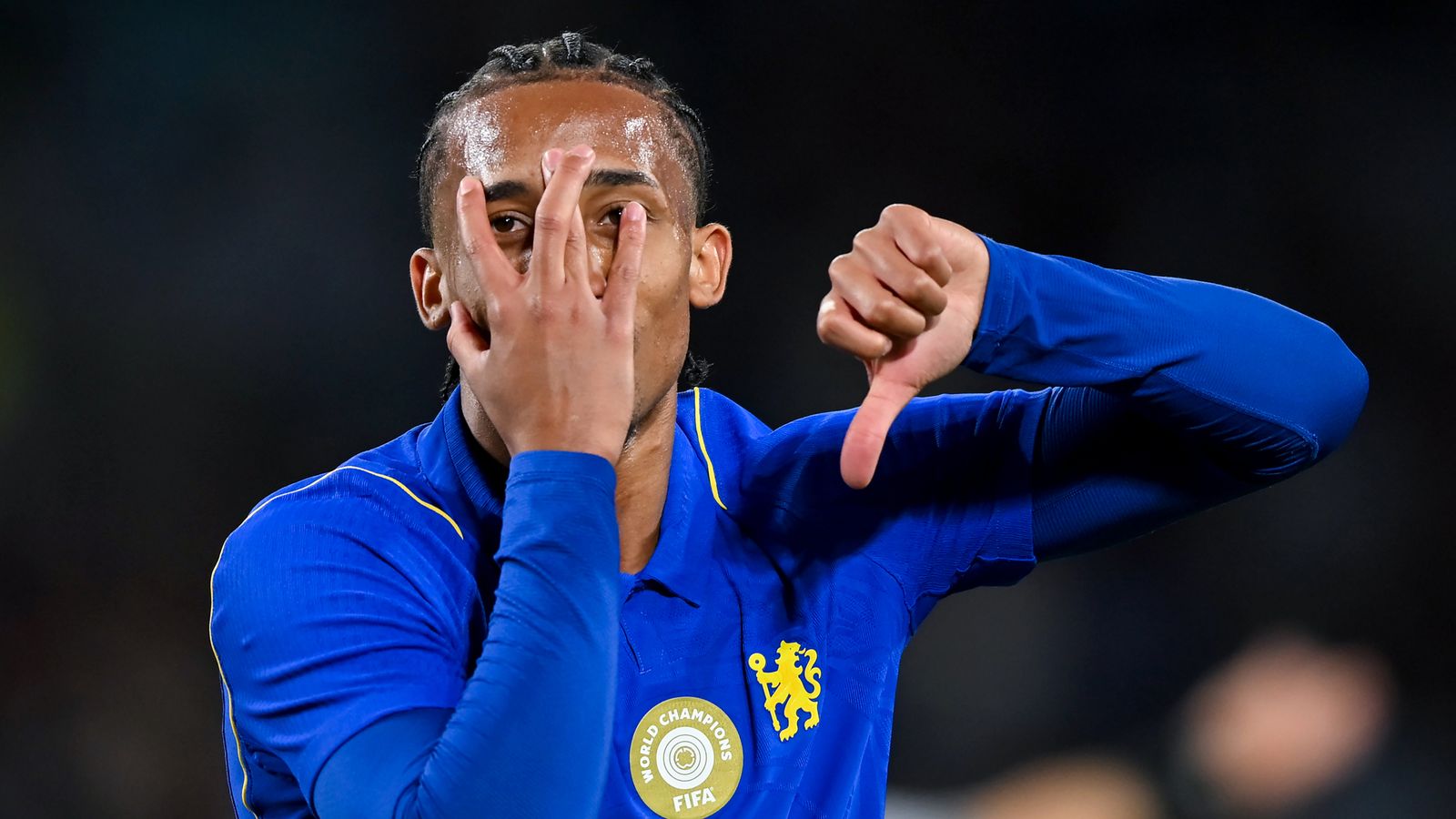
Luca Palestra’s botched chance during the Chelsea-Juventus friendly sits atop the list because of its sheer absurdity. With the scoreline deadlocked at 0-0, Palestra found himself with an open goal at the 42nd minute following a defensive clearance error. He managed to sky the ball into the third row, a moment that sent the crowd into a stunned silence. It matters because it highlights the lingering clinical inefficiency that plagued Chelsea throughout the previous campaign. As Sky Sports reported during their live coverage, this miss was the defining image of a Chelsea side still lacking a true focal point.
2. Real Madrid’s Midfield Collapse in Tokyo
Madrid’s decision to play a high-press system in Tokyo heat backfired spectacularly in their match against the J-League select side. They were caught on the break repeatedly, conceding three goals in the first half alone. It ranks second because it exposed the lack of depth behind the starting trio, proving their transition phase remains incomplete. The tactical gamble failed, and the lack of rotation options turned a friendly into a humiliating exercise in defensive futility.
3. The Arsenal Youth Surge
Mikel Arteta’s reliance on academy graduates in the US tour generated legitimate excitement. Seeing two teenagers dictate tempo against high-tier European opposition indicates a shift in recruitment priorities. They played with a composure that suggests they belong in the first-team rotation immediately. If these prospects maintain this form, they could save the club millions in transfer fees during the final weeks of August.
4. Inter Milan’s Tactical Pivot
Inter moved away from their traditional back-three in the match against PSG. The shift to a fluid 4-2-3-1 was initially chaotic but eventually forced PSG into a scramble defense. While not entirely successful, the willingness to adapt mid-match is a positive sign for a team previously criticized for being one-dimensional. It edges out lower entries because it demonstrates proactive management rather than reactive squad balancing.
5. The Bundesliga Scoring Crisis
Across four major German clubs, goal-scoring output in pre-season friendlies hit a record low. Managers are prioritizing structure over offensive flair, resulting in a tedious brand of football that frustrates the traveling fans. This signals a defensive regression across the league, as teams attempt to mimic elite pressing systems without the requisite personnel. It remains a concerning trend for the upcoming competitive season.
6. Liverpool’s Defensive Fragility
Liverpool leaked 7 goals in two matches against Premier League rivals. Despite signing reinforcements, the high line remains vulnerable to simple long balls over the top. The lack of chemistry between the center-backs resulted in at least three unforced errors leading directly to goals. It ranks lower than the Inter entry because it reflects structural neglect rather than deliberate tactical evolution.
7. Barcelona’s Penalty Woes
Barcelona failed to convert three separate penalties across their summer tour. This isn't just bad luck; it reveals a lack of focus during set-piece training sessions. At this level, missing spot-kicks during friendlies creates a psychological deficit that bleeds into the start of the league season. It ranks seventh because it is an avoidable failure that reflects poor discipline.
8. Bayern Munich’s Fitness Strategy
Vincent Kompany opted for high-intensity double training sessions even on match days. While this improves raw stamina, it led to visible lethargy in the final 15 minutes of their draw against Manchester City. It is a high-risk gamble that prioritize the long-term season over immediate performance. Whether this pays off or causes early season injuries is the primary question for their staff.
9. Manchester City’s Quiet Market
City’s refusal to chase high-profile names this summer has drawn both praise and skepticism. By focusing on retaining existing talent, they avoid the pitfalls of squad disruption. However, in games where they looked stagnant, the lack of new creative energy was obvious. This static approach ranks low because it ignores the reality that other giants are actively closing the gap.
10. The Return of the VAR Debate
Even in pre-season, refereeing controversies marred several games, particularly regarding handballs in the box. Using these matches to test new officiating tweaks has only highlighted how inconsistent the implementation remains. It serves as a reminder that officiating issues are systemic and will not disappear simply by changing a rulebook. It claims the final spot as the most recurring, annoying narrative of the month.
Honorable Mentions
The sudden surge in interest for Asian football venues proved that the global market is shifting, yet the pitch quality in those stadiums remains abysmal. Additionally, the emergence of a new defensive standard in the Eredivisie teams visiting the UK deserves an eye, even if the results weren't flashy enough to crack the top ten.

