The Big Picture
The 2026 football calendar has been defined by abrupt departures and high-stakes gambles. From the quiet end of dynasties to the sudden restructuring of squads, these moments capture a game currently in flux.
The Rankings
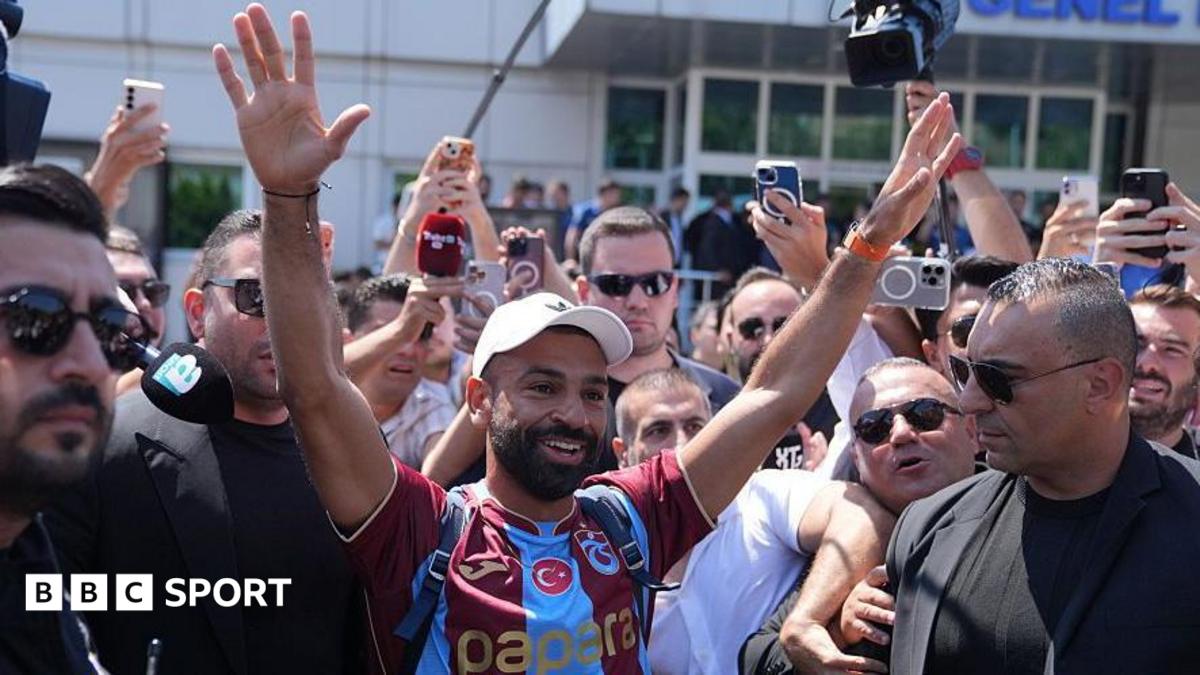
1. Mohamed Salah joins Trabzonspor
The move by the Egypt captain to Turkey marks a seismic shift for the Super Lig. After years at the top of the Premier League, Salah chose a fresh challenge over remaining a rotational asset in England. It ranks first because no other transfer this year forces such a radical reassessment of a player's legacy. Watching him walk away from Anfield was jarring, regardless of the inevitable decline.
2. The Mudryk Suspension Conclusion
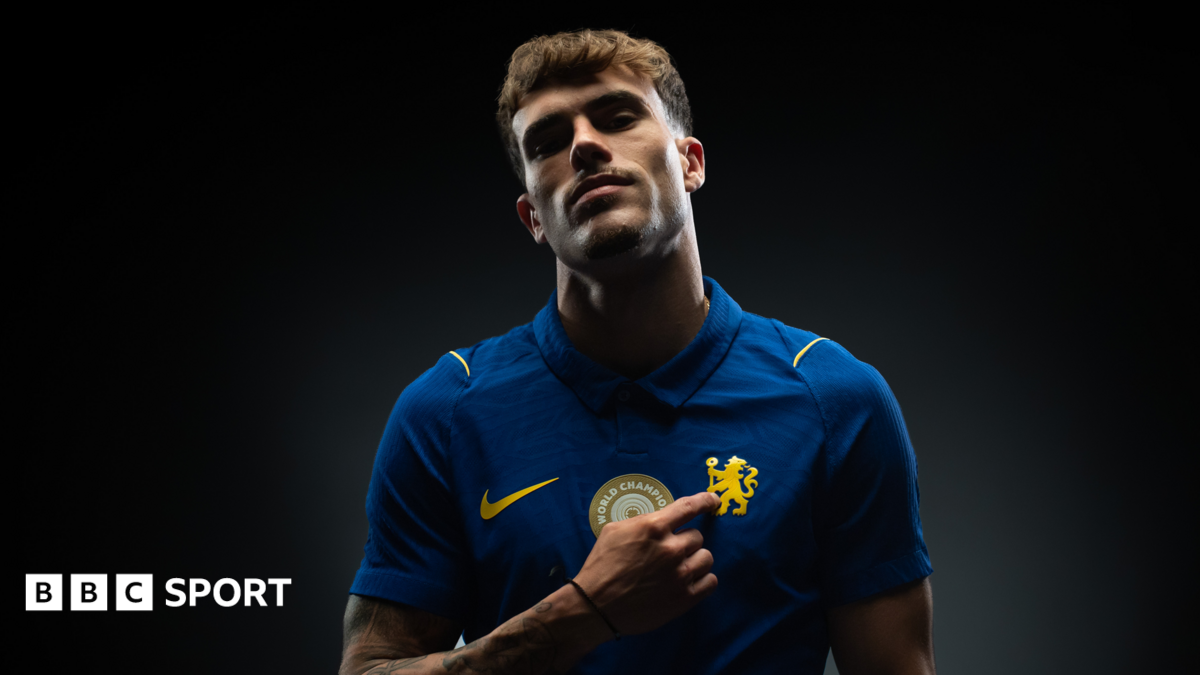
Mykhailo Mudryk returning after a 20-month doping ban is the biggest technical anomaly of the year. The winger missed nearly two full seasons, and his integration into Xabi Alonso’s Chelsea system remains a massive unknown. It ranks second because it is a genuine test of modern sports science and coaching patience. If he fails, it becomes one of the most expensive wasted resources in recent history.
3. The 2026 Goalkeeper Exodus
The movement of shot-stoppers across Europe turned into a frantic scramble. Middlesbrough’s decision to prioritize reclamation projects over established stars highlights how clubs are slashing payrolls to avoid financial penalties. It deserves this spot for proving that GMs are finally valuing tactical fit over reputation. The lack of patience shown by clubs like Celta Vigo created a chaotic July.
4. Xabi Alonso’s Tactical Pivot
Alonso’s decision to overhaul Chelsea’s squad chemistry after a sluggish spring is a rare admission of failure from a high-profile manager. He didn't just tinker with the XI; he purged roles that weren't serving his inverted-winger system. It ranks here because it showed ballsy management, even if the results are still pending. Fans expected stability, but Alonso gave them a rebuild instead.
5. The Financial Curb on Mid-Table Clubs
The reality that benching talent is now a liability changed the entire transfer market. Clubs are actively offloading squad players to avoid sitting on dead assets, a change from the hoarding mentality of 2023. This is a negative shift for squad depth but a positive for financial sustainability. It sits mid-table because it is a systemic change that affects the quality of football on the pitch.
6. Middlesbrough’s Defensive Scouting
Boro’s focus on low-cost, high-upside goalkeepers has been the smartest recruitment move of the window. By avoiding the inflated prices of the Premier League market, they managed to stabilize their defense without breaking their salary structure. It is a masterclass in efficiency that other clubs ignored. This ranks lower only because it lacks the star power of the Salah transfer.
7. Celta Vigo’s Risky Rebuilding
Celta decided that holding onto their veteran defensive core was a mistake, opting to gut their roster for younger options. It’s a aggressive play that threatens their safety in the middle of the table. Their strategy relies entirely on coaching growth, which is a gamble that rarely pays off in Spain. If they drop points early, this move will be scrutinized as a blunder.
8. The End of the Bench-Hoarding Era
When clubs realized that paying players to sit in the stands was destroying their FFP compliance, the scramble began. This cultural shift in how managers view their depth chart has been dramatic. It’s a boring administrative change that has had massive consequences for every squad size in Europe. It ranks eighth because it is the cause of, rather than the result of, most of these moments.
9. Chelsea’s Tactical Uncertainty
The sheer amount of upheaval at Stamford Bridge has left the team without a clear identity heading into the season. Between the Mudryk return and the massive departures, Alonso is coaching a team in transition. This uncertainty is a liability that could lead to a disastrous start. You can feel the nervousness in the fan base, and frankly, the roster looks disjointed.
10. The Decline of Veteran Wage Structures
The broad pushback against aging players on high wages has finally hit the mainstream market. Clubs are actively prioritizing three-year deals over lucrative five-year contracts. It makes for less security for players, but it keeps clubs solvent. It’s the final entry because while necessary, it is a depressing outcome for players who once defined the league.
Honorable Mentions
The quiet restructuring of scouting departments across the Championship deserves note, even if it lacks the headline impact of the Salah move. Additionally, the tightening of UEFA squad registration rules has limited the number of "luxury" signings clubs are willing to make. These shifts define the background noise of the 2026 window, providing the contextual foundation for every major deal completed this summer.