The pivot points of the modern game
Football history is not a linear progression. It is a collection of jagged edges where tactical philosophy or economic shifts fundamentally altered the sport's trajectory.
These ten moments represent the points where the sport crossed a bridge and refused to look back.
10. The 2013 Financial Fair Play Implementation
The introduction of Financial Fair Play rules aimed to curb the reckless spending that characterized the early 2000s. While it ostensibly created stability, it functioned primarily to solidify the grip of incumbent giants. Smaller clubs lost the ability to gamble on rapid ascent, effectively closing the gate behind the elite.
9. The 2017 Neymar PSG Transfer
Neymar’s departure from Barcelona for 222 million euros shattered the transfer market's internal logic. It turned the concept of a release clause from a protective measure into a weapon for state-backed entities. Suddenly, inflation became institutionalized, and the valuation of elite talent ballooned overnight.
8. The Introduction of VAR in 2018
The 2018 World Cup served as the global laboratory for Video Assistant Referees. While intended to eliminate human error, it drained the raw, kinetic energy from goal celebrations. It is a necessary evil that has arguably made the game more accurate but significantly less fluid.
7. Pep Guardiola’s 2008 Barcelona Appointment
Guardiola took a side in disarray and implemented a suffocating high-press identity. He turned Lionel Messi into a false nine and effectively killed off the traditional target man as a tactical priority. This move forced every elite academy in Europe to prioritize technical ball-retention over physical dominance.
6. The 2005 Champions League Final
Liverpool’s comeback from 0-3 down against AC Milan remains the gold standard for irrational sporting belief. It proved that in tournament football, tactical frameworks can be completely dismantled by 45 minutes of pure adrenaline. It elevated the Champions League to the status of a holy grail that stands above domestic league football.
5. The 2016 Leicester City Title
Leicester winning the Premier League at 5000-1 odds was a statistical anomaly that exposed the failures of top-heavy recruitment. It was a singular moment of tactical simplicity triumphing over the bloat of established squads. Unfortunately, the league adapted immediately, ensuring no such gap would ever exist again.
4. The 2021 Super League Collapse
The attempt by twelve clubs to break away and form a closed-shop competition exposed the disconnect between owners and local fanbases. The project fell apart in 48 hours due to unprecedented public pressure. It served as a stark reminder that even the most powerful billionaires still fear the mob when the sport's identity is threatened.
3. The Manchester United Ownership Transfer
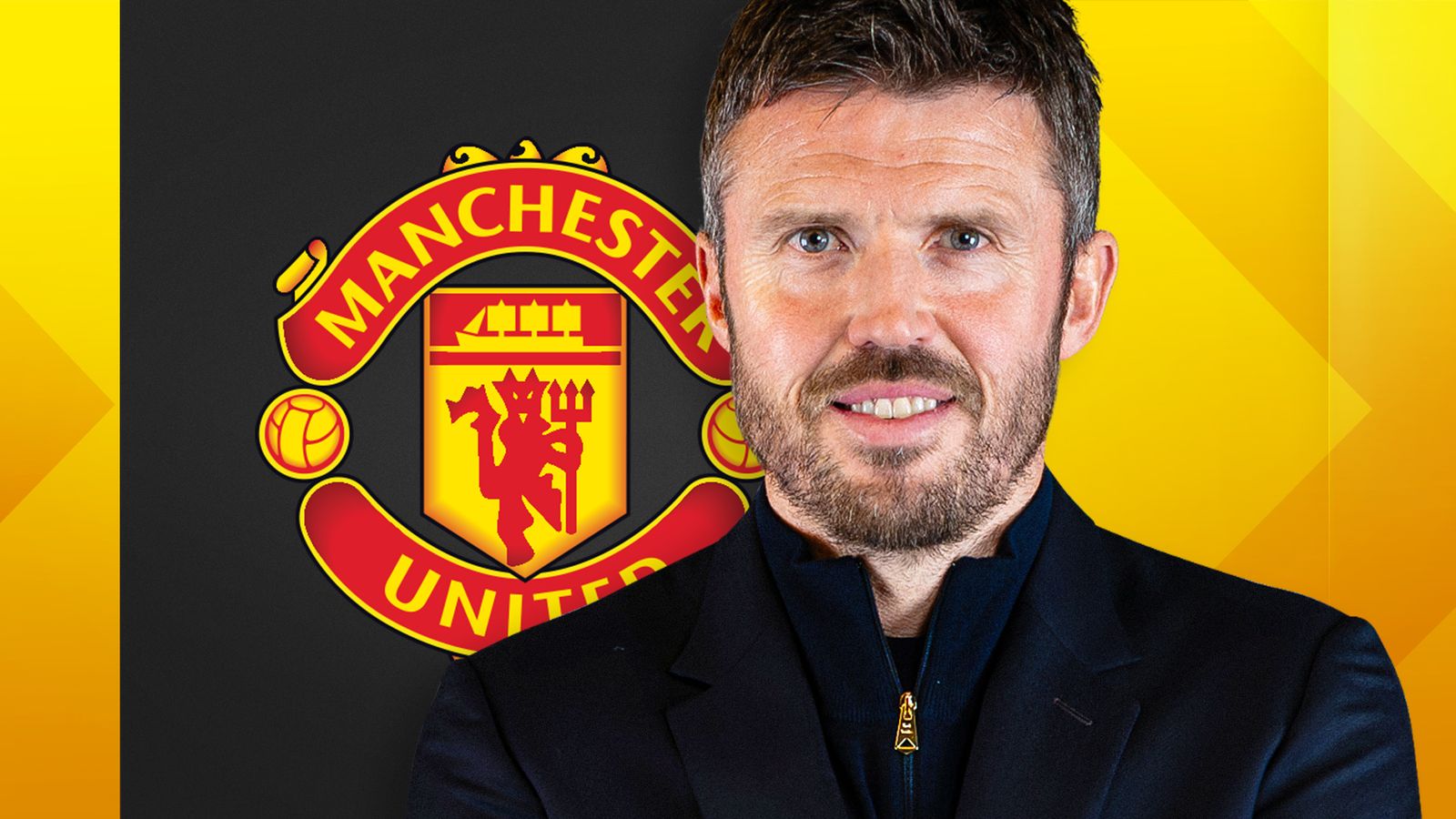
The shift to the Glazer era changed the commercial blueprint for every major English club. By leveraging the club’s debt to fund their acquisition, the ownership group signaled a move toward aggressive monetization. As noted in recent transfer analysis, the club remains stuck in a loop of trying to balance market relevance with immense capital demands.
2. The 2003 Chelsea Takeover
Roman Abramovich buying Chelsea shifted the paradigm from profitable sustainability to state-level financing. The injection of capital into a mid-tier London club reset the expectations for every club chasing the top four. It made the "rich get richer" phenomenon a permanent state of being rather than a cyclical trend.
1. The 1992 Formation of the Premier League
The split from the Football League to form a standalone commercial entity was the biggest single shift in history. It privatized the game, ballooned broadcast revenue, and turned English football into a global export product. While it created the most popular product in the world, it also sacrificed the traditional Saturday afternoon schedule and local identity for global viewership quotas.
Honorable Mentions
The 2010 World Cup win for Spain solidified the dominance of the 'tiki-taka' style for nearly a decade. Additionally, the rise of the Saudi Pro League in 2023 forced a massive reallocation of aging elite talent away from Europe. Neither quite cracked the top ten due to their regionalized impact compared to the institutional changes listed above.